






 Portuguese
  Spanish
  3 min of reading


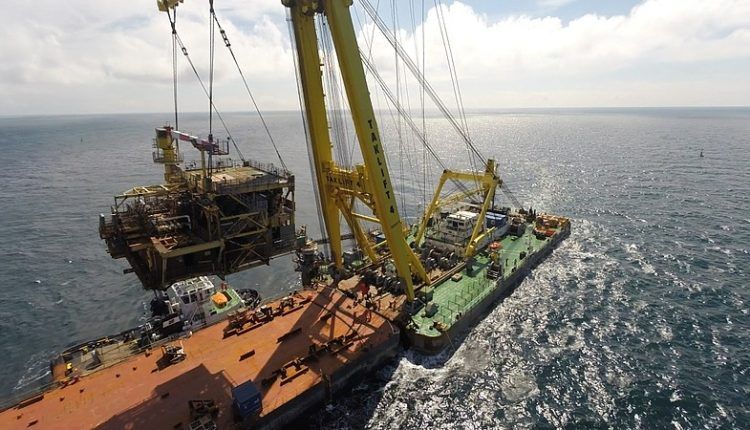
To prepare the ground for new businesses and investments in Brazil’s oil and gas sector, ANP published this Monday (27) in the resolution of the Official Gazette to decommission offshore units and transfer assets, aiming to simplify processes and modernize bureaucracy to prepare Brazil post-pandemic.
- Petrobras Halts Drilling in Bahia and Sergipe; 550 Oil Workers Are Left Unemployed
- Solar Energy – Brazil Hits Record Number of Connections for Distributed Photovoltaic Generation
- Temporary Contract in Macaé Requires URGENT Offshore Selection Process for Machinery Crewmembers
The agency anticipates around R$ 26 billion in investments by 2025 for activities related to area recovery, equipment removal, dismantling, and abandonment of wells, among other services.
The measures are already in effect, and companies that wish to expedite the decommissioning process of oil and gas production units can do so given the low productivity caused by the global coronavirus epidemic.
-
Petrobras is expected to complete the drilling of the Morpho well in the Foz do Amazonas in August 2026, the first well in the Equatorial Margin, an oil frontier that the ANP estimates at more than 30 billion barrels and could redraw the map of Brazil.

-
Oil returns to the center of concerns with tension between the US and Iran

-
IEA reduces forecast for global oil demand in 2026 after impacts of the Middle East crisis

-
Bank of Japan raises interest rates to 1%, reaching the highest level in over three decades


Operator Transition Oil and Gas
The resolution also defined that ANP may place on the Permanent Offer the onshore fields in the process of return that have approved decommissioning plans, starting 24 months before the expected end date of production, to allow for a smooth transition of operators without interruption of production.
This simplification of regulations for the transfer of fields from one company to another will extend the lifespan of the fields and enhance their recovery factor (the percentage of oil and gas volume from a reservoir that is effectively extracted), generating jobs, income, and greater revenue from taxes and government participation, such as royalties.
Predictability
Another innovation of the resolution is the early submission of documents and the publicity of decommissioning programs, providing greater predictability and enabling the market to plan the supply of associated services (for example, local shipyards to carry out the dismantling of units), which will promote the opening of new business markets.
Standardization of Procedures
The resolution is the result of a joint effort between ANP, Ibama, and the Brazilian Navy, which unified their procedures – instead of submitting different documents to each agency, companies will now submit a single Decommissioning Plan for Installations (PDI). The unified PDI will provide greater legal security and greater speed to the process, and will include environmental aspects on a case-by-case basis.
Administrative Simplification
Procedures within ANP itself have also been unified, gathering in a single resolution the rules that were divided into three (ANP Resolutions No. 27/2006, 28/2006, and 25/2014).
The decommissioning activities of installations must be carried out observing all relevant regulations. The new resolution establishes a social responsibility and sustainability management system aligned with the 17 Sustainable Development Goals of the United Nations.
The resolution went through public consultation and hearings, during which around 370 contributions were received.
Check the official publication in the Official Gazette here.




Be the first to react!