






 Portuguese
  Spanish
  3 min of reading
  1 comment



New Guideline from ANTAQ Seeks to Modernize Port Operations, Ensuring Transparency and Regulatory Compliance
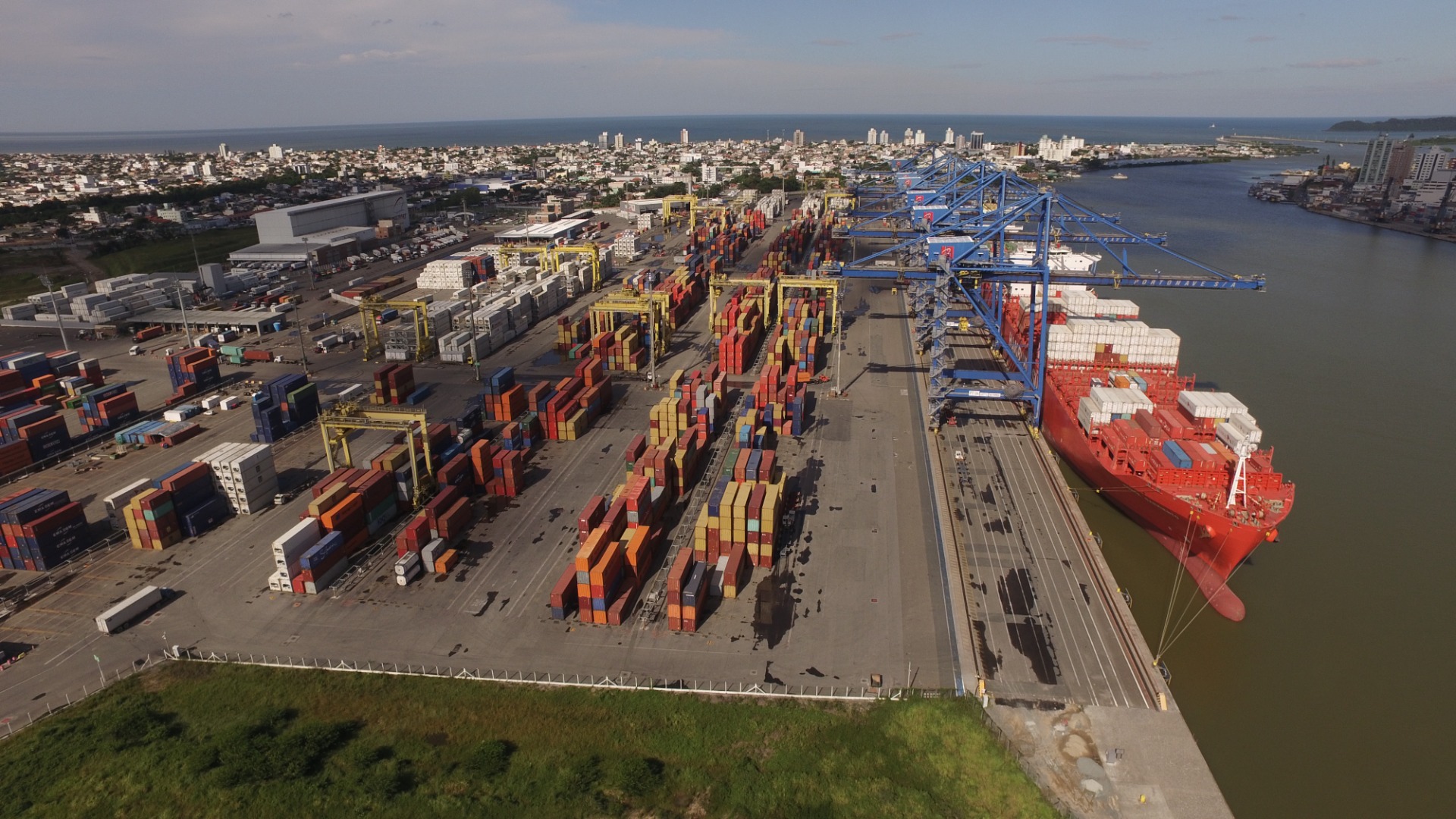
The National Waterway Transportation Agency (ANTAQ), therefore, on March 10, 2025, consolidated an understanding that, thus, allows Private Use Terminals (TUPs) to hire third parties for the provision of services and the rental of spaces within their facilities. In this way, this measure is aligned not only with the guidelines of the Simple Navigation Program, established by Decree No. 12,078/2024, but also with public policies aimed at modernizing the private port sector. Moreover, this initiative aims to not only reduce bureaucracies, but also enhance operational efficiency. Consequently, the decision was widely discussed among regulatory agents and the private sector throughout 2024, having been finally consolidated after a technical opinion from ANTAQ’s Grant Management Superintendency.
Main Changes with the New Guideline
Given this regulation, the following points must be considered:
- TUPs can hire third parties for service provision, provided they comply with current legislation.
- Activities such as operation, handling, and storage of cargo may be carried out by specialized companies.
- Outsourcing will only be valid if there are no prohibitive clauses in the adhesion contracts, which requires prior legal analysis.
- The authorized terminal will continue to be legally responsible before ANTAQ and other regulatory bodies.
- Service provision or area rental contracts must be communicated to ANTAQ within 30 days, ensuring transparency and regulatory compliance.
Expected Impacts on Efficiency and Competitiveness
With the flexibility of hiring third parties, consequently, the port sector may experience significant operational gains. Additionally, the impacts include:
-
Three Chinese companies manufacture more than 96% of the world’s dry cargo containers and 100% of refrigerated ones, in a dominance built over 40 years that has made it almost impossible for the West to compete in this market.

-
The Panama Canal stores water in Gatún and Alhajuela lakes to maintain 38 daily crossings and prevent a drought linked to El Niño from once again stalling ships, raising freight rates, and putting pressure on global supply chains as occurred in 2023 and 2024.

-
While the US Navy still relied for decades on the subsonic Harpoon and Tomahawk missiles for naval combat, the US Air Force reactivated the AGM-183A ARRW program on May 12, 2026, in an anti-ship version capable of making a Nimitz-class aircraft carrier disappear in minutes.

-
While commercial hydrogen fuel cells do not exceed 80 degrees Celsius due to the requirement of liquid water in the membranes, researchers at Monash University on May 18 made an ultrathin graphene and boron nitride-based membrane operate at 250 degrees Celsius without needing water.



- Greater agility in private port management, allowing better adaptation to sector demands.
- Optimization of operational costs, with greater competitiveness in hiring specialized services.
- Increase in the competitiveness of private terminals, strengthening their position in the logistics sector.
- Improvement in cargo handling, with faster and more predictable processes.
- Encouragement of innovation in port operations, favoring an environment of continuous modernization.
The decision, therefore, was based on studies conducted by the National Transport Confederation (CNT) and, furthermore, by the Brazilian Association of Port Terminals (ABTP). These surveys, in turn, indicate that, with the implementation of outsourcing, it is possible to achieve a potential increase of 15% in logistics efficiency. Thus, the measure presents itself as a viable solution to enhance the sector.
Simple Navigation Program and the Modernization of the Sector
The Simple Navigation Program, launched in April 2024, has, therefore, the clear purpose of facilitating regulation and, moreover, encouraging modernization in the waterway sector. To this end, the program is primarily based on four fundamental pillars. In addition, these pillars guide its guidelines in a clear and structured manner. Consequently, this ensures not only a more efficient but also a sustainable development.
- Bureaucracy Reduction: Reduction of administrative barriers to expedite port operations.
- Efficiency: Simplification of regulatory processes to provide greater agility in operational decisions.
- Innovation: Encouragement of the use of new technologies to improve infrastructure and port management.
- Sustainability: Promotion of good environmental practices in the sector, aiming for efficiency and social-environmental responsibility.
Future Perspectives for the Port Sector
The ANTAQ regulation represents an advance in the modernization of the port sector. The expectation is that this measure:
- Will make the business environment more dynamic and competitive.
- Will attract new investments for private terminals, promoting sustainable growth.
- Will improve the sector’s response to foreign trade demands, reducing logistical bottlenecks.
- Will strengthen national port infrastructure, positioning Brazil more competitively in the global scenario.
The decision strengthens the sector’s commitment to transparency, efficiency, and innovation, reinforcing the need to adapt to new regulatory requirements.
The new guideline from ANTAQ, therefore, enables Private Use Terminals to enhance their operations, moreover, reduces costs, and ensures greater efficiency and competitiveness. In this way, the consolidated understanding about outsourcing not only paves the way for a more agile and flexible sector, but also ensures that all practices comply with legal and regulatory limits.
Furthermore, this regulation fits into the context of regulatory simplification and modernization of port infrastructure, creating a favorable environment for the sustainable growth of the maritime sector in Brazil. The expectation is that the measure will boost innovation and operational efficiency, consolidating a more dynamic and transparent logistical scenario.





Onde posso encontrar a íntegra do parecer técnico da Superintendência de Outorgas da ANTAQ? grato