






 Portuguese
  Spanish
  3 min of reading
  0 comments


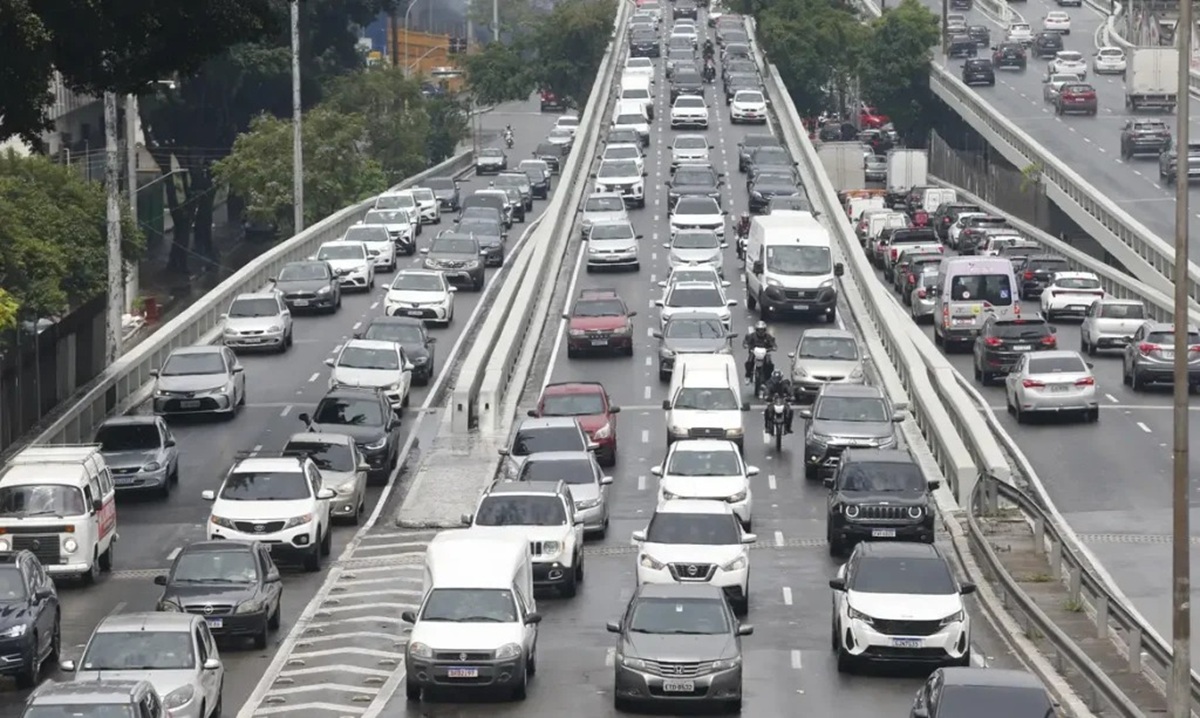
Historic Approval of 18-Year-Old in Tatuí Marks Practical Start of New Federal CNH Model, with Online Theoretical Course, Immediate Exam Scheduling, and Fast Track to Practical Classes in São Paulo
The young Richard de Campos Silvério, 18, a resident of Tatuí (SP), became the first Brazilian approved in the theoretical CNH exam under the new federal model, after completing the online course in just a few hours and scheduling the test on the same day, in December 2025.
Richard had started the licensing process in March when he hired a driving school and even took two in-person theoretical classes before pausing the course due to a conflict with his personal schedule and daily commitments.
With the release of the new federal format, the student was able to complete the theoretical course entirely online in just a few hours, schedule the exam on the same day, and immediately advance to the practical stage.
-
FIRJAN’s mega plan of R$ 526.3 billion for Rio de Janeiro aims to revive Brazil’s largest industry, with two-thirds of the investments going to oil and gas.

-
China signals an increase in beef imports, Brazil has already consumed 70% of the 1.106 million ton quota and seeks to renegotiate the tariff that jumps from 12% to 55%, while demand from the US also skyrockets.
-
Food inflation rose 302% in 20 years in Brazil, but the supermarket changed: purchasing power yielded 87% more mortadella and 31% less fruit, and ultra-processed foods took over the cart.
-
Petrobras sells the first batch of 3,800 m³ of aviation fuel made with certified soy, capable of reducing emissions by up to 70%, in an unprecedented project that anticipates the aviation sector’s requirements expected for 2027.



After passing the theoretical exam, Richard is cleared to start practical driving lessons and complete the licensing process, using an accredited driving school or a self-employed instructor authorized by the system.
“I bought my vehicle in March, but I can’t use it because I didn’t have my CNH yet. Now, with the faster process, it will make my life much easier,” says Richard de Campos Silvério.
According to him, the CNH will improve transportation to work, college, and leisure, reducing dependence on alternative transport and enhancing autonomy in daily life.
The literature student reports that he was following updates on the federal changes and was waiting for the release of the new model to resume the previously paused process.
As soon as the official announcement was made, Richard accessed the CNH do Brasil app, completed the course on Thursday (09), paid the fee on the Detran-SP website, and scheduled the exam for Saturday (13).
“Everything was very quick. The platform is user-friendly and I am already cleared for practical learning,” reports the young man, highlighting the speed of the new digital flow.
Easier and Cheaper
Even before the publication of Resolution Contran No. 1.020/2025 and Provisional Measure No. 1.327/2025, Detran-SP had already structured a technical plan to reconfigure the licensing process.
After the publication of the rules on December 10, the department accelerated the implementation of the changes, prioritizing the elimination of unnecessary steps, internal flow reviews, and cost reductions for citizens.
In record time, Detran-SP adjusted its systems to enable the theoretical exam according to the new online course, allowing savings to reach the public’s pockets immediately.
The internal schedule anticipates the completion of the transition well before the maximum deadline established, keeping services operational throughout the adjustment process.
“We have already managed to conduct the theoretical CNH exam under the new parameters,” says Lucas Papais, Detran-SP’s Customer Service Director.
According to him, candidates who have already completed the theoretical course through the CNH do Brasil app can schedule the exam and, if approved, proceed to practical classes.
Transparency and Predictability
To monitor the changes, Detran-SP will launch the official CNH Paulista page next week, with an implementation schedule and updated guidance.
The new model will be implemented in stages, prioritizing cost-reduction measures without interrupting services, ensuring predictability, transparency, and integrity in the licensing process.








Be the first to react!