






 Portuguese
  Spanish
  5 min of reading
  0 comments


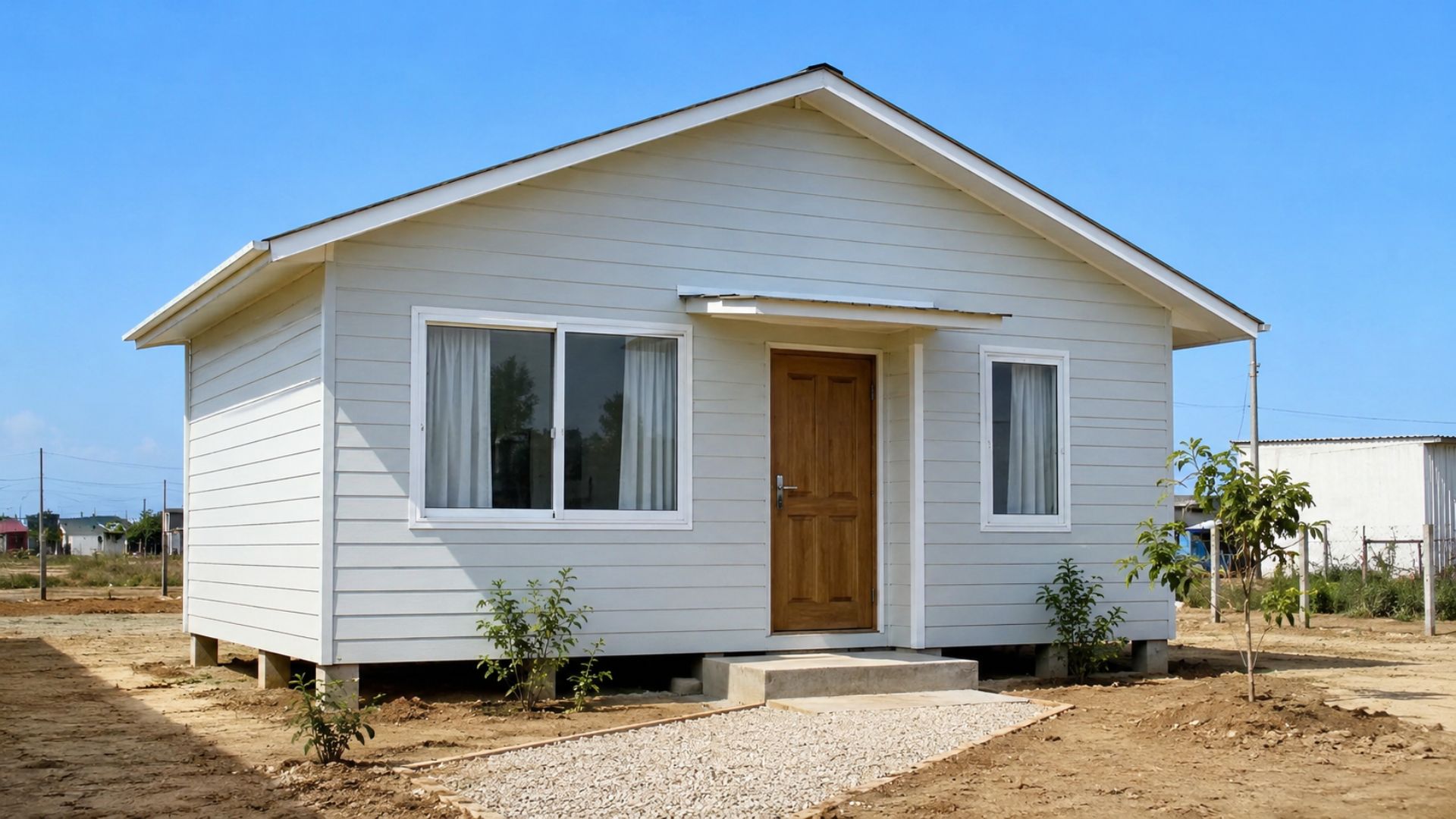
The video of a man who claims to have bought a house from Shopee for R$ 20,000 went viral, but the amount is only the part he paid. The house is made in Wood Frame by the construction company Alea, available through Minha Casa Minha Vida with Caixa financing, and raises the old debate: is it worth switching from masonry?
A simple video, recorded in front of a small house, became an internet sensation by promising something that seems too good to be true: a home for R$ 20,000. On the Kaiera channel, the presenter shows the property he nicknamed Shopee house, with two bedrooms, a bathroom, integrated living room and kitchen, and a large plot, summarizing the pride in one sentence: it’s a thousand times better than paying rent to others.
But before you dream of the R$ 20,000 house, it’s worth separating the headline from reality. The Shopee house did not cost R$ 20,000 upfront, and the video itself gives a clue when it says that Caixa financed the purchase. The property is built in Wood Frame, a system of wood and panels, by the construction company Alea, and is sold like any popular house: with down payment, installments, and financing.
What is the “Shopee house”


The nickname started as a joke, but it stuck. Since the house is made of a different material than brick, wood, and panels in the style of American constructions, it gained fame in the presenter’s city as the Shopee house, in reference to the cheap shopping site. Some people go further and call it a “cardboard house,” according to the Kaiera channel video itself.
-
Egypt wants to divert 10 million m³ of Nile water per day, equivalent to 4,000 Olympic swimming pools, to build a glass city in the desert and irrigate 2.28 million acres, in a project that attempts to push life out of the country’s most contested valley.

-
Brazilian military personnel spend weeks in extreme training in the Amazon and receive a badge reserved for Jungle Warriors during the celebration of the 60th anniversary of one of the most demanding and respected courses in the world.

-
After the divorce, a woman spent four years building a studio apartment with skylights, mirrors, a bathtub hidden under the sofa, and family mementos for a fresh start.

-
The “Rei do Bolão” of Fortaleza made 100 people millionaires at once in the Mega-Sena: the lottery office in Aldeota divided R$ 168 million in a pool and delivers a bet from São Paulo to Dubai.




Inside, the property is compact and to the point. The tour shows two reasonably sized bedrooms, a bathroom, a living room integrated with the kitchen, and two narrow side corridors, just over a meter wide. The plot is the big asset, spacious and already with neighbors’ walls on part of the boundary, which reduces the cost of enclosing the lot.
The presenter does not try to sell beauty, and this gives credibility to the account. He admits that the Shopee house is not a mansion, but defends the logic of those who need to get out of renting: the land is his, he can renovate or even demolish and rebuild in the future. For him, owning what is yours is worth more than paying for someone else’s house every month.
The truth about the price of R$ 20,000
Here is the point that the viral title does not explain. The R$ 20,000 is what the buyer put down to close the deal, not the full value of the property. In the video itself, he explains that Caixa financed the purchase, meaning the rest of the price was parceled out in a housing loan, as happens with any popular house.
This model is precisely what makes the account possible. The Wood Frame houses from Alea are eligible for the Minha Casa Minha Vida program, which provides access to credit with lower interest rates and government subsidies for families within income brackets. Instead of saving tens of thousands of reais upfront, the buyer puts down an initial amount and takes on the installments, just as they would with a masonry house.
Therefore, treating the Shopee house as a R$ 20,000 house is misleading. What the case truly shows is something else, perhaps even more interesting: that it is already possible to move into a new, financed house with land, by paying little upfront, as long as one accepts a construction system different from brick.
What is Wood Frame, the system behind the house
Despite its reputation for being fragile, the Wood Frame is not makeshift. According to the construction company Alea, the system uses reforested wood and multi-layered panels, with walls formed by eight layers that, according to the company, support more than two tons per meter of sealing. It is not cardboard; it is a structure designed to bear weight and last.
The manufacturing also deviates from the traditional construction site. Alea claims to produce the houses in a factory, which it calls the largest house factory in Latin America, integrating plumbing and electrical installations during assembly, with thermal and acoustic performance that the company claims is proven. It is the type of process that makes the construction faster and more standardized than building wall by wall.
There is also the label that weighs most against the nickname “cardboard house.” The construction company claims that its houses meet the Brazilian technical standards NBR 15.575, for performance, and NBR 16.936, specific for Wood Frame wood constructions, in addition to being certified for the Minha Casa Minha Vida. In other words, it is a recognized system, not a makeshift solution that Caixa would finance blindly.
Is it worth switching from masonry?
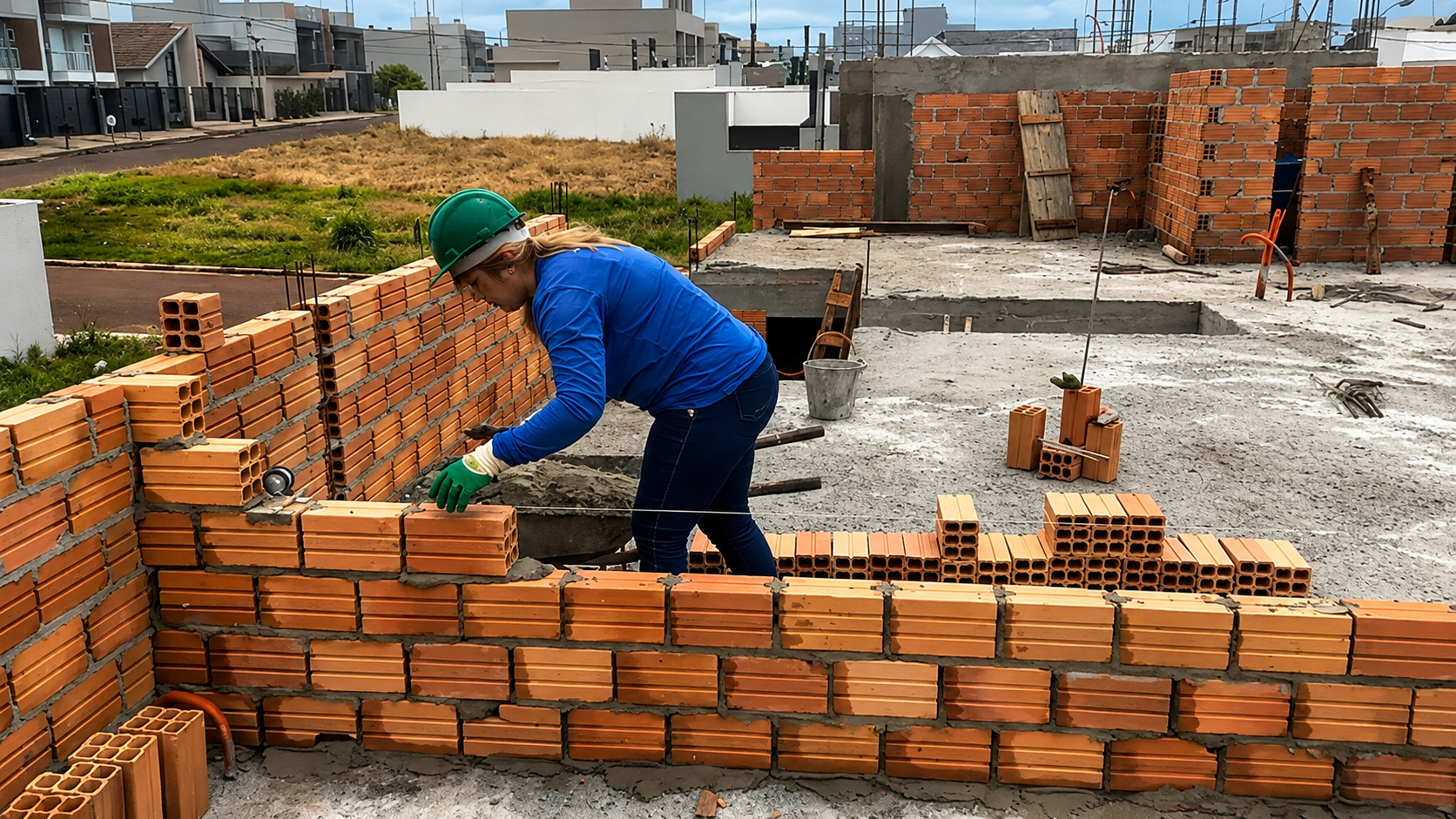
Even with the technical specifications in favor, the debate continues, and it is as cultural as it is technical. Brazilians were raised with the idea that a real house is made of brick, and anything different raises doubts about durability, maintenance, and resale. Replacing masonry with wood and panels still seems risky to many people, and this resistance appears in the very comments the topic generates.
On the other hand, the arguments in favor are concrete. The Wood Frame tends to be quicker to build and, with factory production and financing through Minha Casa Minha Vida, it becomes more accessible for those who could never afford a new masonry house. For the family living in rented accommodation, the comparison is not between wood and brick, it’s between owning a home or not.
The honest answer is that it depends on each case, and time will help decide. The system is new in Brazil on a large scale, and only the coming years will show how these houses age compared to masonry. But, with technical standards, certification, and housing financing, the Shopee house is far from being the joke the nickname suggests.
The Shopee house became a meme, but it tells a serious story about housing in Brazil. The R$ 20,000 video hides a richer reality: that of a new property in Wood Frame, certified under Brazilian standards and purchased with financing from Minha Casa Minha Vida, which makes homeownership accessible to those who only knew renting. The old question remains, which you now decide with information in hand.
And you, would you trade the security of masonry for a Shopee house in Wood Frame, or do you still prefer the usual brick? Share your thoughts in the comments.






Be the first to react!