Portuguese
  Spanish


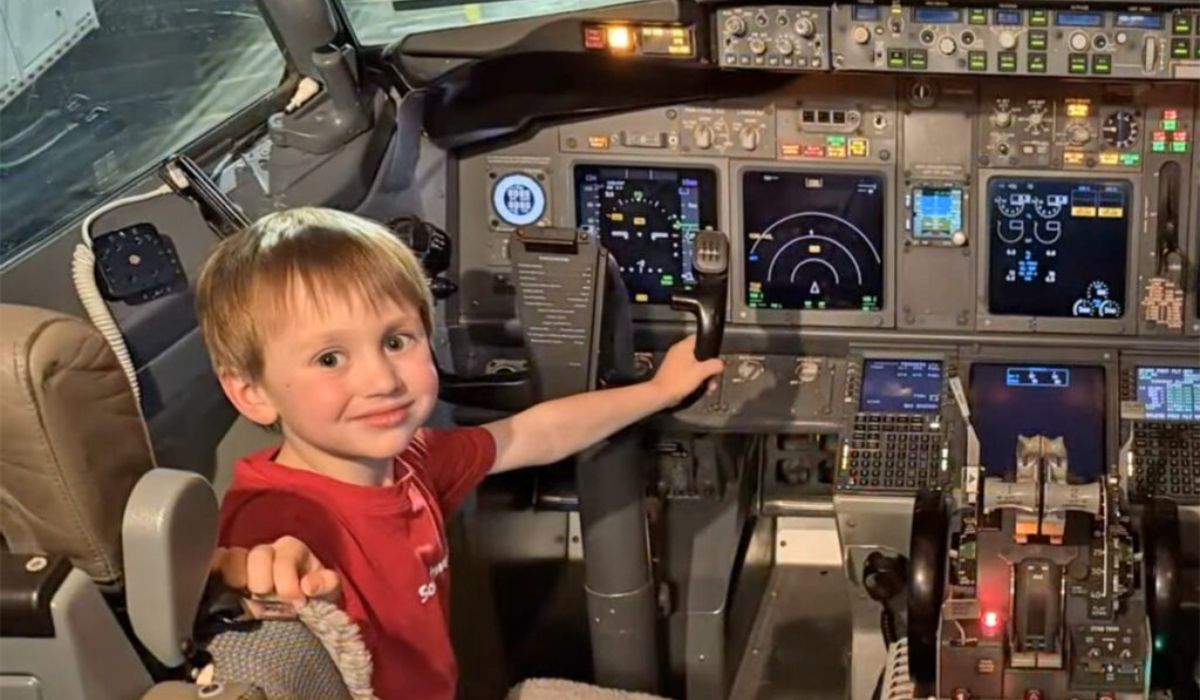


A Boy From Colorado Identified A Discrepancy In A Cockpit Image Used For Familiarization With The Boeing 737. The Report Traveled Through The Internal Structure Of Southwest And Resulted In A Visit To The Headquarters In Dallas With Access To Training Areas.
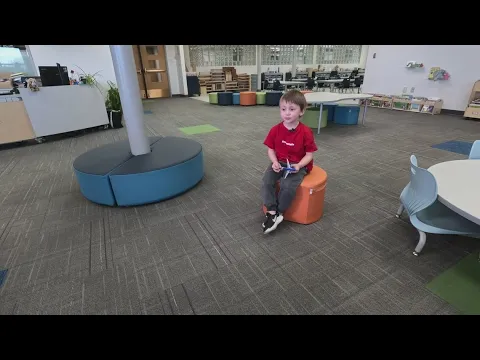
A 5-year-old boy from Colorado, USA, became the center of a special visit to the headquarters of Southwest Airlines after pointing out a discrepancy in material used for cockpit familiarization of the Boeing 737.
The case, reported by local outlets and aviation-focused media, such as the portal Aeroin, reached the company leadership and ended with an invitation for him and his family to visit the training facilities in Dallas, Texas.
The boy, William Hines, is described in the reports as a child with a constant interest in airplanes and details of systems and instruments.
-
Bruno Guimarães, 28, Misses Crucial Penalty Against Norway in World Cup After Replacing Vinicius Jr.

-
Inspired by a school lesson on Africa’s water crisis, a young boy raised money through chores to fund a well that transformed a Ugandan community.

-
Brazilian Construction Worker Moves to France, Earns Up to €2,500 Monthly with Home Renovations, Gains Social Media Attention

-
US Navy Sinks USS Oriskany with 230 kg of C-4, Creating World’s Largest Artificial Reef in 37 Minutes



The observation occurred during a conversation at home with a Southwest pilot who brought aviation-related items and an image of the 737 cockpit used in studies prior to simulator training.
What William Pointed Out In The Cockpit Of The Boeing 737
The image analyzed by William showed the cockpit panel of the Boeing 737 in high resolution, material used by pilots to recognize the arrangement of instruments and review procedures before more practical sessions.
When comparing the navigation displays, he noticed that the data shown for the captain and first officer did not seem to represent the same scenario.

According to the report published about the meeting, the displays had different scales and weather formations, which led the boy to point out the inconsistency.
“The pilots’ map doesn’t match, not at all. This one is closer, and this one is further,” William said, according to the quote reproduced in the case coverage.
According to reports, the company later explained that the observed difference was not necessarily a technical error in the operational sense, but a divergence of perspective or display configuration in the reference material.
Even so, the observation was forwarded internally for verification.
How The Observation Reached The Leadership Of Southwest Airlines
The pilot who was with William found the pointing relevant and took the issue to his immediate superior, as the story was narrated by outlets that covered the episode.
The information circulated until it reached the president and CEO of Southwest Airlines, Bob Jordan, who decided to formally thank the family for their attention to detail.
From this contact, the company invited William, his parents, and relatives to visit Southwest’s headquarters in Dallas.
The agenda included an overview of the training routine and a simulator experience, according to what was described in the reports about the visit.
What The Family Saw At The Company Headquarters In Dallas
During their visit to Dallas, the family had access to areas related to pilot training and the environment where crew members prepare to operate the fleet.
The simulator, according to published reports, was part of the itinerary presented to the boy and his family, within a context of demonstrating how pilots train before flying.

The episode also attracted attention for involving a type of material that is typically treated as a routine technical tool.
The cockpit images and familiarization exercises are used to solidify the position of screens, buttons, and instruments, as well as to aid mental preparation for more complex training.
Training Centers And Simulators Mentioned In The Repercussion
The repercussions of the story mentioned training structures in Colorado and Texas, partly due to the presence of large simulator centers in the state where William lives.
United Airlines maintains in Denver a complex that the company describes as the “largest flight training center in the world,” in a statement in which it informed that the campus has eight buildings, over 700,000 square feet of area, and 46 full-motion simulators.
In the case of Southwest, the company concentrates training related to the Boeing 737 at the LEAD Center in Dallas.
Public information from the company itself indicates that the location supports 26 simulators dedicated to the 737, a number mentioned in recent institutional material aimed at pilot recruitment.

This data appears in the context of expansion and infrastructure updates, common among large airlines, which rely on simulators for recurrent training, regular checks, and standardization of procedures.
The reports about William use this background to explain why images and familiarization materials are part of pilots’ day-to-day lives.
Review Of Training Material And Standardization In Aviation
Although the situation occurred in a domestic setting, it ended up being part of a typical process in aviation companies: receiving an observation, verifying the source of the divergence, and, when necessary, adjusting or clarifying the content.
In the published reports, Southwest stated that the discrepancy noted by William was analyzed and that the difference was related to how the information was presented in the material.
The story became public because the company decided to document the gratitude and turn the episode into an institutional visit.
Beyond the gesture, the case also exposed how small details in visual material can generate doubts when the configurations or framing of what is being shown are not clear, especially on screens that simulate navigation information.
Upon noticing that the two displays did not seem to “talk” to each other, William described what he saw and supported the comparison, according to the reports’ records.