Portuguese
  Spanish


The project approved by the Chamber provides for voluntary identification on the National Identity Card and expands legal protection for people with type 1 diabetes
A legislative change with significant social impact recently advanced in the National Congress, attracting the attention of patients, families, healthcare professionals, and educational institutions.
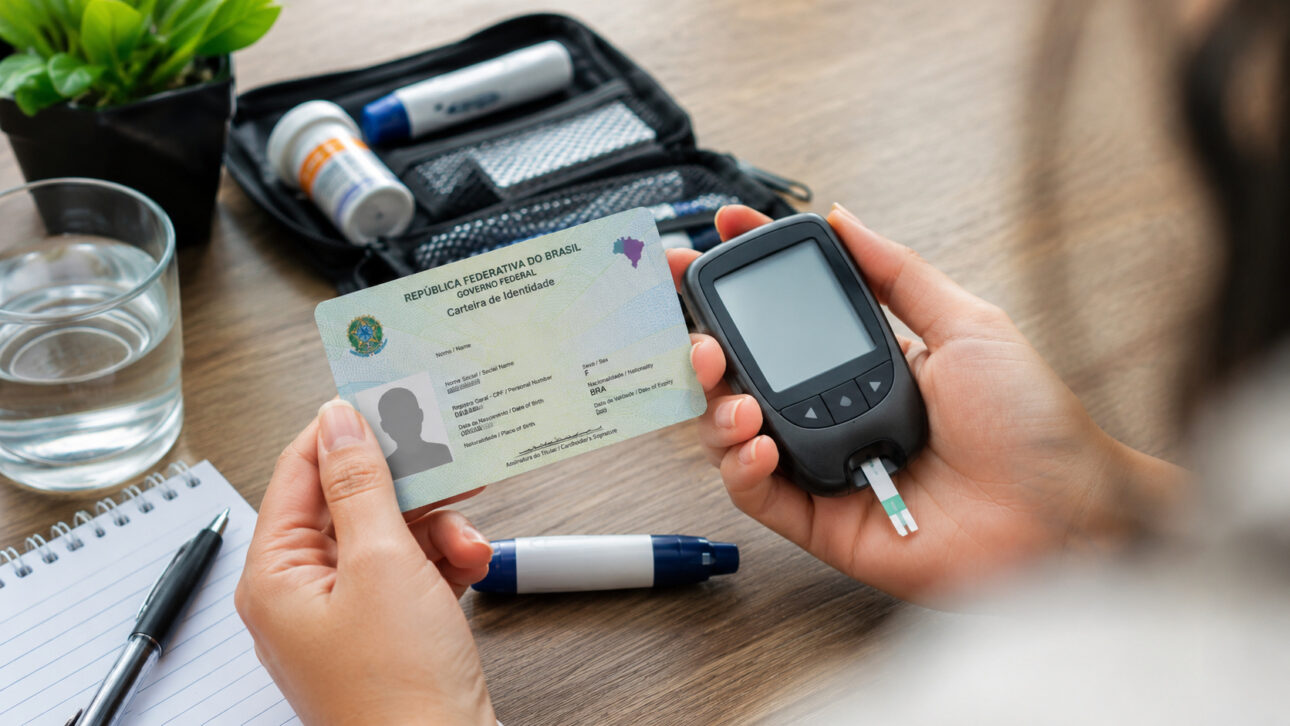
The Bill 5868/2025 was approved by the Chamber of Deputies in May 2026 and awaits the president’s sanction. The proposal allows for the voluntary inclusion of the condition of type 1 diabetes on the National Identity Card, a document that replaces the old RG, and also establishes new guarantees related to treatment, blood glucose monitoring, school routine, work environment, and access to supplies through the SUS.
The update represents an attempt to reduce barriers faced by people who need to measure glucose, apply insulin, carry monitoring devices, and constantly explain their condition in different spaces.
This movement demonstrates that the project seeks to transform situations previously resolved by individual negotiation into rights more clearly recognized by Brazilian legislation.
Technical review reveals direct impact on civil identification
The most discussed change in the project involves the possibility of registering type 1 diabetes on the National Identity Card, voluntarily and upon request by the interested person.
The information on the document has a practical function, as it can assist in emergency situations, such as hypoglycemia episodes, medical rescues, or occurrences where the patient cannot explain their condition.
The Chamber of Deputies approved the text in May 2026, after the proposal passed through the Senate, and the regulation of the procedure will still depend on steps following the presidential sanction.
The practical impact lies precisely in the speed of identification, as the presence of the information on the document can prevent service failures and guide health teams in critical moments.
Social and legal impacts of the approved project
The Bill 5868/2025 also includes guarantees aimed at access to treatment through the SUS, including medications, insulin, glucose sensors, glucometers, insulin pumps, and other supplies necessary for condition control.
The approved text also provides for the right to carry and use monitoring and treatment devices in educational institutions, workplaces, public competitions, and private or public environments.
Breaks to measure blood glucose, eat, and apply insulin are also to be provided during classes, exams, professional workdays, and evaluations.
This set of measures strengthens protection against discrimination and creates clearer parameters for reasonable accommodations, always in accordance with medical recommendations.
-
Forgotten Map Leads Diver to Shipwreck with Gold, Rare Jewels, and Secrets Hidden for Nearly 350 Years

-
Furong: The 2,000-Year-Old Chinese City Built on a 60-Meter Waterfall Becomes a Global Tourist Phenomenon

-
YouTube Inventor Dubbed “Real-Life Tony Stark” Builds Robotic Legs for Father’s Day, Creating a Wheelchair That Conquers Stairs and Rough Terrain
-
Brazilian Scrap Dealer Processes 3,000 Tons of Ferrous Scrap Monthly, Paying $0.09 to $0.70 per Pound, Reveals Why a Hidden Cylinder Costs 1,500 kg Discount





Changes in schools draw attention among families
The project pays special attention to children with type 1 diabetes, who represent almost one-sixth of the estimated 600,000 cases in Brazil, according to data cited in the proposal’s main text.
Schools will be required to provide clear and updated information about menus, meal times, and nutritional data of the foods served.
Families will also be able to request menu adjustments to meet the child’s needs, as well as flexible meal times when recommended.
Parents or guardians may request work schedule adaptations to accompany their children’s treatment, with adjustments to hours, breaks, or departures, provided labor regulations are observed.
Legal recognition expands protection for people with type 1 diabetes
The approved text classifies a person with type 1 diabetes as a person with a disability, under the terms of the Statute of Persons with Disabilities.
The measure expands legal protection, but specific benefits, such as the Continuous Cash Benefit, will depend on its own biopsychosocial assessment.
The proposal also provides for reports with indefinite validity, which reduces the need for repeated medical proof for a chronic, autoimmune, and incurable condition.
This point is relevant because type 1 diabetes requires permanent monitoring, daily insulin applications, and continuous blood glucose monitoring.

Type 1 diabetes in a broader context
Type 1 diabetes is a chronic autoimmune disease characterized by the destruction of the pancreatic cells responsible for insulin production.
According to the Ministry of Health, the condition is not related to a person’s lifestyle and is more frequently diagnosed among children and adolescents aged 10 to 14.
The estimated incidence is 25.6 cases per 100,000 inhabitants per year, which reinforces the importance of public policies aimed at continuous treatment.
The routine of those living with the condition requires constant access to supplies, devices, proper nutrition, and environments prepared to handle emergencies.
The future of rights for people with type 1 diabetes
Patients, families, and specialists believe that the project can reduce the constraints faced in schools, competitions, workplaces, and public spaces.
The possibility of including the condition in the National Identity Card can also facilitate emergency care and broaden social understanding of the disease.
Meanwhile, the presidential sanction and the regulation of the procedure will be decisive steps to transform the proposal into applicable measures in daily life.
Do you believe that identifying type 1 diabetes in the new ID should become an important tool to enhance safety, inclusion, and proper care in Brazil?