Portuguese
  Spanish


An Elderly Woman Who Works as a Cleaner and Pays the Equivalent of R$ 3,580.20 for a Subdivided Room Became a Portrait of How Aging Can Be Lonely and Expensive in Big Cities.
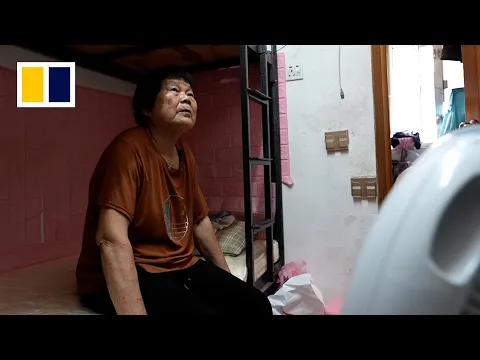
Ao Meiqiong is 73 years old, lives alone in the Sham Shui Po district of Hong Kong, and continues working as a cleaner to afford the basics. The rent is HK$ 5,200 per month, which is approximately R$ 3,580.20, buys only a tiny space, the result of an apartment subdivided into smaller rooms.
The case gained international attention after being featured in a video report by the South China Morning Post, which showed how poor elderly people try to get through the summer in cramped environments, often without adequate cooling. In the report, the combination of high rent, isolation, and extreme heat appears as a daily burden that does not lessen with age.
The narrative trigger was a concrete and measurable event. On August 5, 2024, Hong Kong experienced a heat wave that entered the meteorological records, while Ao tried to make do with two fans and a broken air conditioner in a cramped space.
-
Stingless Bee Honey from Brazil Can Cost Up to $120 a Liter, Surprises with Flavors of Wood, Citrus, and Even Cheese

-
Woman Claims to Have Spotted a Technical Pattern in Recent FIFA Tournaments, Predicts Possible World Cup Winner
-
Chevrolet Offers Chance to Win a 2026 Sonic RS for Free via WhatsApp
-
Earthquake vs. Tsunami: Which Causes More Destruction and Why One Can Be Even More Dangerous


Ao Meiqiong’s story matters because it connects two movements that are growing together in urban environments. On one side, more elderly people living alone with limited income; on the other, more frequent and intense heat waves, which hit harder those in small, poorly ventilated housing.
Who is Ao Meiqiong and Why Does Her Routine Attract Attention
Ao Meiqiong appears in the report as an elderly worker who has not managed to turn aging into rest. At 73, she still cleans and does housekeeping jobs to sustain the essentials, even as her body calls for less effort.
The address also weighs in on the symbolism. Sham Shui Po is mentioned as the district where she lives alone in a subdivided room, a housing model often associated with cramped conditions, little privacy, and costs that consume one’s budget.
The South China Morning Post portrays Ao as a face of a broader reality. In the same coverage, the Senior Citizen Home Safety Association reported an increase in requests for help, suggesting greater pressure on elderly people during the summer and its extremes.

The Day of Record Heat That Triggered the Story
The turning point was August 5, 2024, when the city recorded a heat peak that entered the official accounts of the period. According to the Hong Kong Observatory, the maximum temperature reached 35.4 °C that afternoon, in a stretch described as persistent and very hot early in the month.
In the report, this heat appears indoors, not just on the streets. Ao was trying to get through the day with two fans and a broken air conditioner, a scenario that makes the risk more intimate, as the threat shifts from “outside” to occupying her very own room.
Subdivided Micro-Apartments and the Cost of Staying Alone in Hong Kong
The amount paid by Ao helps explain why the issue crossed borders. HK$ 5,200 per month buys a minimal space, and the report describes the dwelling as a subdivided apartment, a format where the square footage is fragmented into rooms or cubicles.
When the property is small, summer changes in scale. Limited ventilation, close walls, and weak appliances can transform a few more degrees into continuous discomfort, especially for those who spend more time indoors due to fatigue, health constraints, or lack of options.
The Hong Kong Observatory described August 2024 as an exceptionally hot month, with indicators above normal and a sequence of very hot days early in the month. It also registered 18 warm nights during the period, the highest number ever observed for August, reinforcing the idea of heat that doesn’t ease up even after sunset.
The financial impact comes in layers. Besides the rent, utility bills tend to rise when the only option is to turn on fans or attempt artificial cooling, and this weighs more heavily when income depends on informal work or low wages.
There is also the invisible social cost. Living alone can mean spending days without a network for check-ins, without someone to notice signs of distress, and without quick access to support when heat turns into exhaustion and anxiety.
What Science and Health Agencies Warn About Elderly People and Heat Stress
The backdrop to this story has already been addressed by international initiatives related to climate and health. A case study by the WHO and WMO on Hong Kong points out that, in recent decades, more elderly people have begun to live alone, increasing the need for care in the city.
The same material describes how meteorological data were used to analyze the impact of the weather on seeking help among elderly people. Among the findings mentioned, there was an increase in hospitalizations when the maximum temperature exceeded 30 °C and when the minimum dropped below 22 °C, along with effects related to drier conditions.
The institutional response involves communication and prevention. The study reports actions such as alerts and guidance in advance, using weather forecasts and messages to reduce risks and encouraging society to pay attention to elderly people living alone.
Why Her Case Became a Global Symbol and Where the Debate Stumbles
Ao Meiqiong became a symbol because the narrative fits in various cities at the same time. Aging, expensive housing, and extreme climate are already central themes in metropolises that concentrate jobs but also inequalities and loneliness.
The debate, however, often stumbles on an uncomfortable question. To what extent should the cost of heat and aging be borne by the individual, who “makes do” with a fan and late work, and to what extent is it a collective responsibility to rethink housing, assistance, and protection during heat waves in megacities?