






 Portuguese
  Spanish


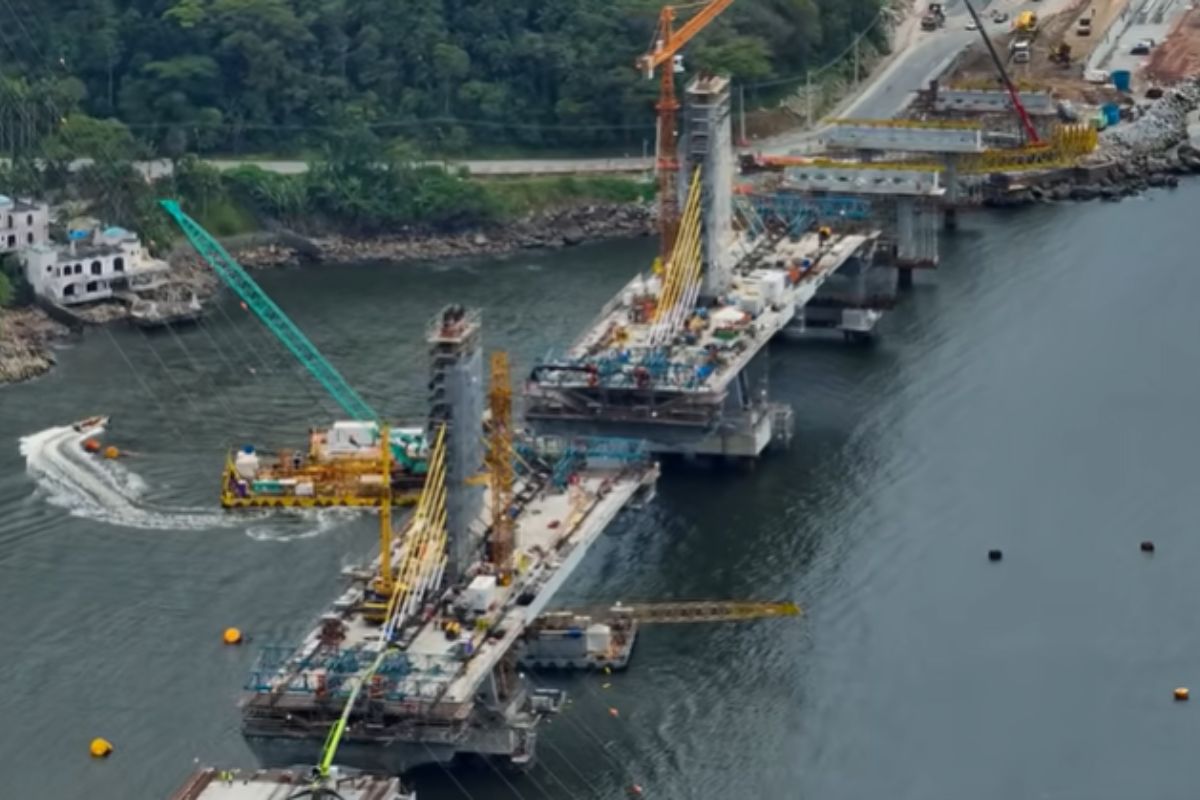


With the Guaratuba Bridge Advancing and Investments Over R$ 400 Million, the Ferry Closes Its Last Season and the Region Bets on the End of the Lines and a Definitive Connection with the Coast.
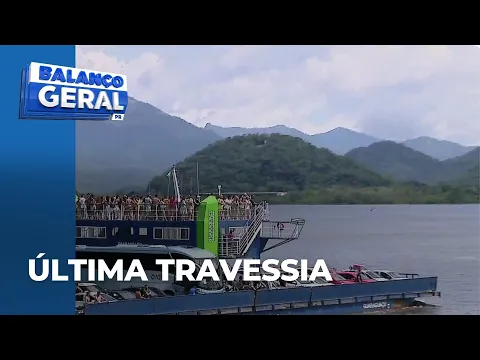
In Guaratuba, the ferry and boat crossing that marked generations is coming to an end after 65 years of history. With the bridge nearly ready at around 90%, the farewell mixes memory, relief, and the feeling that mobility on the Paraná coast will change for good.
The scene is symbolic: farewell campaign, childhood memories, grandchildren repeating the tradition, and at the same time, the expectation of a new phase with more agility, more safety, and less dependence on lines that, on peak days, have become routine for those crossing Guaratuba.
A Farewell That Touches the Memory of Those Crossing Guaratuba

The end of the ferry is not just a change in transportation. It is the closing of a service that entered the lives of those who live in and visit Guaratuba, with stories accumulated since childhood and the feeling of “last season”.
-
U.S. City Builds Tiny Home Village on Water Company Land to House 136 Homeless People: Inside the Social Housing Units

-
Woman Turns Shipping Container into Home, Embraces Rural Life to Cut Monthly Expenses to Just Over $330
-
France Revamps 530 Social Housing Units with Large Balconies and Glass Facades Without Demolishing Existing Buildings

-
Facing high rent, couple transforms parents’ garage into a fully functional apartment, creating a complete home at a fraction of the market cost.




To mark this closing of a cycle, the Department of Highways promoted a symbolic farewell campaign for the Ferrybat, distributing commemorative cards to drivers. The initiative recaptures the memory of a service that was part of the routine of the Paraná coast.
The Crossing in Numbers and the Weight of the Lines in Guaratuba

The crossing in Guaratuba receives an enormous volume: the base reports 1,300,000 vehicles per year. On specific dates, such as Christmas, the traffic spikes, with nearly 10,000 vehicles using the ferry on December 25th.
In recounting the experience, the bottleneck appears starkly. There was a week when people waited 6 to 7 hours to cross from Matinhos to Guaratuba, a direct snapshot of the demand during the high season.
Guaratuba Bridge: Work Advances and Changes the Map of the Coast
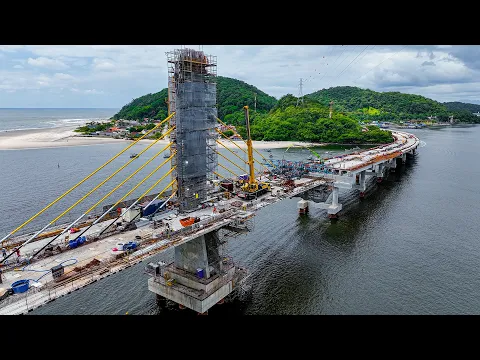
The Guaratuba Bridge appears as the solution that finally ends the dependency on the ferry. The material indicates progress between 85% and 90% completion and construction fronts underway.
With 1,240 meters in length, the structure will connect Guaratuba to Matinhos, providing more agility and safety for residents and tourists.
The project includes four traffic lanes, a bike path, sidewalks for pedestrians, and road lighting, in addition to pavement, drainage, and containment services at the access points.
What Halted the Work and What Became the “Critical Path” in Guaratuba
Those managing the project cite clear challenges. The main one was the execution of the foundations, which faced delays due to geotechnical conditions. Another sensitive point was labor: nearly 300 people are from outside and are housed, creating a complex logistics.
The cable-stayed segment was described as the critical path of the project. The team states it needed to plan and adjust accordingly to not compromise the deadline, expecting to complete the cable-stayed section by around February 20th and carry out the meeting of the spans.
There is also mention that access from the Matinhos side has been a bit delayed but is expected to be completed on time.
Investment Over R$ 400 Million and the Promise of a New Phase in Guaratuba
The work exceeds R$ 400 million in investments. The bet is that the bridge will transform mobility and reduce the wear that has always accompanied the crossing, especially during the season.
The impact is already visible in the local commerce. In Caieiras, a diner with nearly 40 years changed its name to “Diner of the Bridge.”
The owner explains that the bridge is so significant that the change of identity reflects what they expect from the new flow: less waiting to cross and more people arriving quickly.
The Cultural and Tourist Effect: Even a Marathon on the Guaratuba Bridge
The Guaratuba Bridge will also enter the events calendar. In early May, the structure is set to host the International Marathon of the Guaratuba Bridge, organized by Grupo Rick, with courses ranging from 5 to 42 km and thousands of runners in an iconic setting of Paraná.
This is the kind of detail that reinforces the symbolic turning point: from a historical bottleneck to a postcard and event space, placing Guaratuba at the center of a new narrative for the coast.
After 65 years of ferry in Guaratuba, do you think the bridge will really end the lines, or will the demand from the coast create new traffic jams at other points?








Graças ao empenho do Governador Ratinho que enfrentou as ONGS, MP e a Petezada a tão e importante é necessária Ponte tanto para a mobilidade e tb desenvolvimento do nosso litoral, agora sai da lusta de promessas políticas Parabéns a todos os envolvidos que tiveram a paciência pra lidar com os promovedores do atraso.
ONGS, PT são o câncer do país. Se fosse iniciado por algum governo **** o valor seria o triplo, estaria com apenas 10% pronto alguma ONG ja teria conseguido travar a obra que se estenderia por no mínimo 4 mandatos do pt com o valor passando da casa de bilhão.
Antes dos 65 anos, como eram feitas as travessias??
Alguém tem a resposta?
Obrigado
Não tinha a travessia de veículos por balsas! Só pessoas por intermédio de barcos!
Ficou provado q eles (governo) não conseguem contratar um serviço de ferry q atenda minimamente a demanda há, pelo menos, 40 anos. Provando q estes nossos 400 milhões vão ser bem gastos; )
Comentário sem noção, pois é impossível atender a demanda plenamente, principalmente nos feriados e finais de semana, durante a temporada. Por isso a necessidade da ponte, que já deveria ter sido construída a muito tempo atrás.