Portuguese
  Spanish



In Unexpected Move, Germany Chooses China as Supplier of the World’s Most Powerful Wind Turbines After Adoption of Electric Vehicles in Europe, Creating Tension with the European Union
With the growing adoption of electric vehicles in Europe, a new chapter in the region’s energy transition is unfolding. Germany, one of the continent’s key players, recently announced its decision to purchase wind turbines from China, sparking heated debates about the implications of this choice for the European Union. This strategic move reflects the increasing importance of China in the global renewable energy supply chain, particularly in providing high-capacity wind turbines.
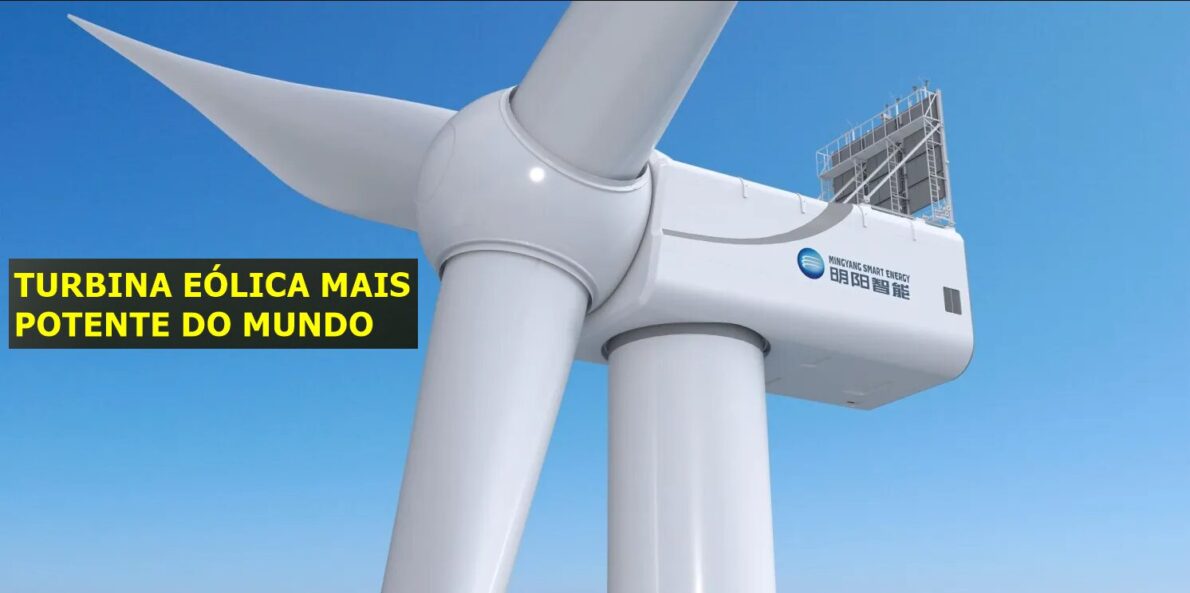
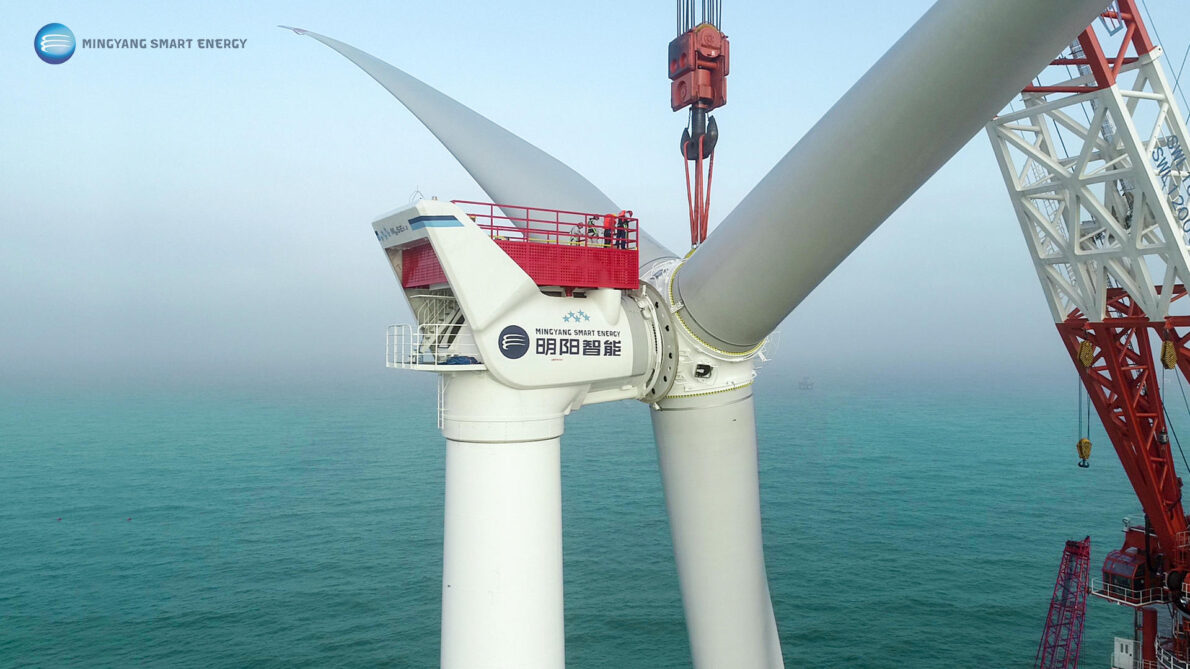
Shortly after the massive arrival of electric vehicles in European markets, Chinese wind turbines are about to follow the same path. The German wind farm builder Luxcara, responsible for various large-scale projects, announced that it has chosen the Chinese manufacturer MingYang Smart Energy to supply 18.5 MW wind turbines, which will be installed in one of Germany’s largest wind projects by 2028.
This choice marks a significant shift, given that European-made wind turbines from companies like GE, Vestas, and Siemens have been the backbone of the European Union’s push towards renewable energy.
-
Brazil Aims to Become a Global Exporter of Green Hydrogen, the Clean Fuel Set to Generate Billions

-
Brazil to Hold First Offshore Wind Energy Auction, Aiming to Become the Country’s New Hydropower
-
Brazil to Hold First Auction for Batteries to Store Solar and Wind Energy from the Northeast
-
Brazilian scientists are simultaneously advancing two research projects on clean hydrogen and driving solutions that could transform the energy matrix, enhance industrial competitiveness, and accelerate large-scale emission reduction targets.



The Superiority of Chinese Wind Turbines?
Luxcara justified its decision by stating that the choice of Chinese wind turbines was the result of a rigorous international tender held in 2023. During the process, the company carefully assessed environmental compliance, social governance, and cybersecurity aspects, following the regulations set by the European Union.
The MingYang Smart Energy stood out by offering state-of-the-art wind turbines designed to operate even in extreme conditions, such as typhoons, something that European manufacturers have overlooked in their recent designs.
The project, named Waterkant, is a milestone in Germany’s energy transition. When completed, it is expected that the wind farm will supply electricity to about 400,000 homes, significantly contributing to the country’s goal of generating 80% of its electricity from renewable sources.
However, the choice of Chinese wind turbines was not solely a matter of technical capability. The option also considered cost-effectiveness, as the use of European turbines would require a larger number of units to achieve the same generation capacity, raising installation and maintenance costs.
The Controversy of Competition with Chinese Wind Turbines
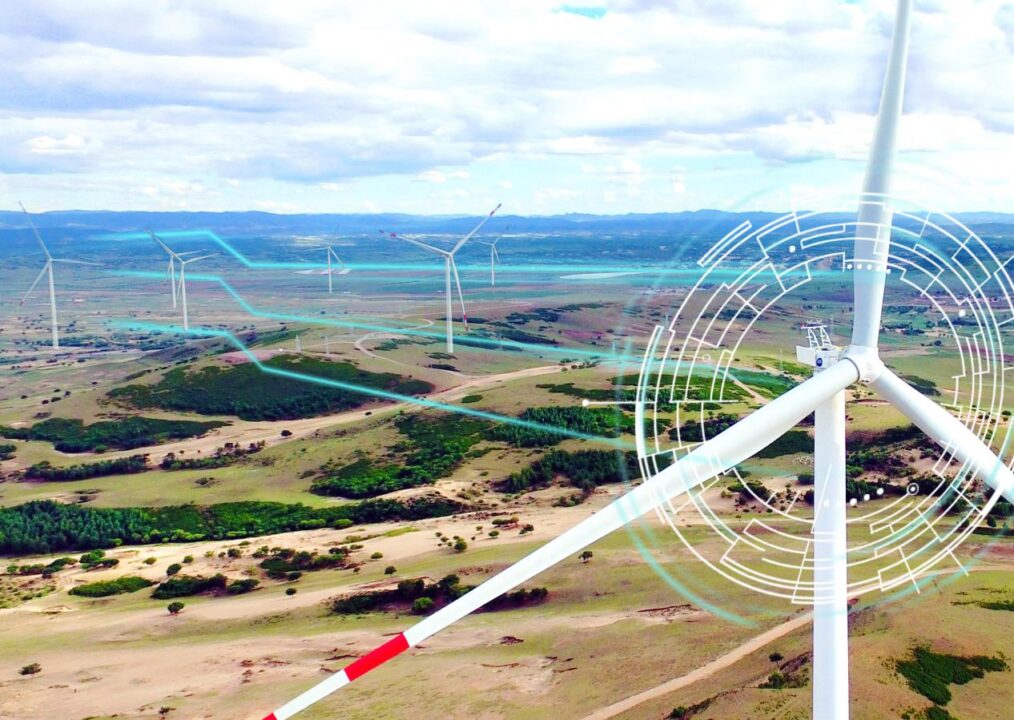
Luxcara’s decision, however, did not go unnoticed by authorities and the industry. The German Ministry of Economy has already announced it will investigate the agreement, following pressure from the European wind industry lobby, which argues that the entry of Chinese wind turbines into the European market poses a threat to the continent’s energy security and critical infrastructure.
The European Commission also decided to conduct a preliminary review to evaluate potential market distortions caused by Chinese wind turbine manufacturers, which could intensify trade tensions between Europe and China.
This situation is even more complex when considering the impact of low-cost Chinese electric vehicle imports, which are already transforming the European automotive market.
With the arrival of Chinese wind turbines, the European Union is beginning to consider the possibility of imposing tariffs on these imports, a measure that could increase the costs of renewable energy projects and delay the green transition on the continent.
A recent article in the Global Times highlighted that the European Union’s measures are essentially a form of trade protectionism, a reaction to the strong competition that Chinese wind turbine manufacturers have imposed on the European industry.
The article argues that instead of hindering Chinese imports, Europe should seek cooperation, which would benefit both regions and accelerate the transition to renewable energy.
The Future of Energy Cooperation
In light of this scenario, the future of energy cooperation between Europe and China remains uncertain. Germany’s decision to opt for Chinese wind turbines could signal a shift.
With growing pressure for electric vehicles and other green technologies, the integration of Chinese solutions may become a necessity.
As debates continue, one thing is certain: Germany’s choice to trust in Chinese wind turbines marks a turning point.
The question that remains is whether this decision will drive global cooperation or exacerbate existing divisions in the geopolitical landscape.