





 Portuguese
  English
  Spanish
 3 min of reading
  0 comments


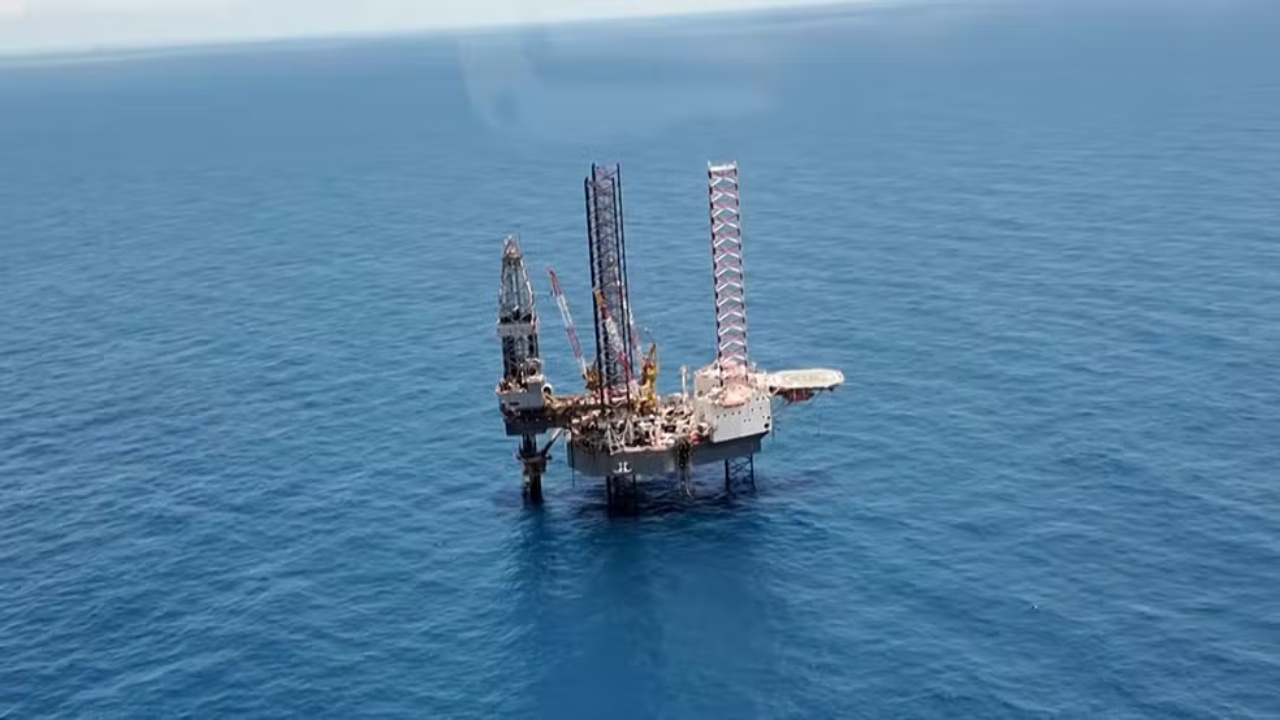
The Decommissioning Of 26 Oil Platforms Off The Coast Of Sergipe Is Expected To Generate Over US$ 2.5 Billion By 2035, Mobilizing Hundreds Of Professionals And Signaling The End Of An Era In Shallow Water Production.
The Coast Of Sergipe Is Undergoing A Historic Transformation. By 2035, 26 oil platforms that remain at sea will be entirely dismantled. The operation, according To Petrobras, is Expected To Generate Around US$ 2.5 Billion.
The Amount Draws Attention. However, The Impact Goes Beyond Money. The Process Requires Rigorous Planning, Detailed Logistics, and Specialized Labor. Daily, About 430 Professionals Work On Activities Related To The Decommissioning.
The Decision To End Production In Shallow Waters Was Made In 2021. Since Then, The Company Has Begun To Halt The Wells And Gradually Close The Structures. The Reason, According To The Company, Was Strategic. Production In These Areas Was No Longer Considered Viable.
-
90 billion barrels of oil, 1.669 trillion cubic feet of natural gas, and 84% of probable reserves in offshore areas are under the Arctic, and the melting ice that opens maritime routes and exposes this energy treasure is turning the North Pole into a strategic dispute between the USA, Russia, China, and Canada for oil, gas, navigation, and military power.

-
IBS and CBS regulations change credit reimbursement and raise financial alert in the oil and gas industry

-
China puts into operation the largest shallow lithology offshore field in the country, with 79 wells, heavy oil, and a production of 20,000 barrels per day.

-
Petrobras announces an investment of R$ 2.8 billion in Amazonas to expand natural gas production in Urucu and modernize the river fleet, boosting energy, logistics, and the regional economy with new vessels adapted for operation in the Amazon.




Operation Involves Complex Logistics And International Protocols
The Dismantling Of The Oil Platforms Is Not Simple. On The Contrary. It Is A Technical And Delicate Operation. Only One Of The 26 Units Still Has Structures Capable Of Housing Crews For Several Days.


In The Others, Work Follows International Safety Protocols. Additionally, Several Companies Participate In Executing The Stages. Each Phase Must Be Coordinated With Precision.
“We Need To Have A Significant Integration Of All Tasks, And This Requires Fine-Tuning Of Logistics To Ensure That People Are In The Right Places, At The Right Time, And With The Necessary Material,” Explained Petrobras’ Decommissioning Manager, Harlen Dantas.
The Statement Reinforces The Level Of Complexity Of The Operation. After All, Any Failure Could Compromise Deadlines, Costs, And Safety.
Sergipe Was A Pioneer In Oil Production At Sea
Although The Current Focus Is On Closing The Platforms, The State Has A Remarkable Past In The Oil Sector. In 1970, Sergipe Became The First State In Brazil To Have An Offshore Exploration Platform.
For About 50 Years, Production Was Continuous. The Peak Occurred In 1977, When The State Produced Over 52,000 Barrels Of Oil Per Day. During That Period, The Activity Fueled Jobs, Income, And Regional Development.
Now, However, The Scenario Is Changing. The So-Called Decommissioning — The Name Given To The Process Of Halting Operations And Dismantling The Structures — Symbols The End Of An Important Cycle.
New Chapter: Oil In Deep Waters
Despite The Closure In Shallow Waters, Sergipe Is Not Off The Oil Map. Petrobras Is Preparing A New Project Aimed At Deep Water Exploration.
This Transition Indicates A Strategic Shift. Instead Of Maintaining Old Structures, The Company Is Betting On Areas Considered More Promising.
Meanwhile, The Dismantling Of The Platforms Continues Until 2035. The Billion-Dollar Operation Redesigns The Sergipe Coast And Reignites Debates About Jobs, Environmental Impacts, And The Future Of Oil Production In The Region.
With Billions At Stake And A New Phase Approaching, Do You Believe That The End Of The Old Platforms Represents A Strategic Advancement Or A Historical Loss For Sergipe?







-

-

-

6 people reacted to this.