Portuguese
  Spanish


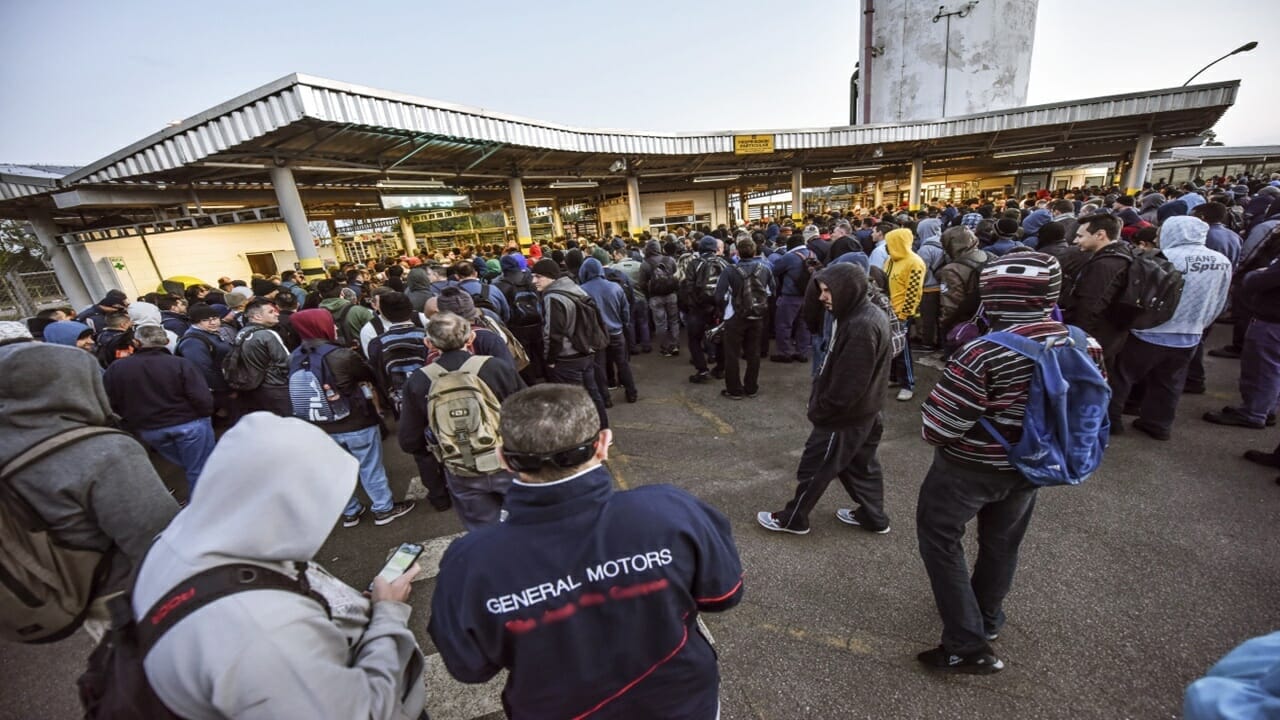

GM Faces Strike At Factories In São Paulo Due To Layoffs Made By Email And Telegram: Mobilization In Brazil Occurs Amid Historic Paralysis At Ford Motor And Stellantis.
General Motors Workers’ Strike: the entire category is called for a strike, for an indefinite period, starting tomorrow, October 23. GM is facing an imminent shutdown at its factories in São Paulo, triggered by a wave of layoffs that has shaken the metalworkers in the region. Mobilization in Brazil occurs amid historic paralysis at Ford Motor and Stellantis.
Workers at GM in São José dos Campos, Mogi das Cruzes, and São Caetano do Sul made a drastic decision by approving an indefinite strike. This action was triggered by the news of the layoffs at the three factories, announced abruptly and unilaterally. The category demands the cancellation of the layoffs and the reinstatement of all affected employees.
GM claims that the drop in sales and exports justified the need to adjust its workforce at the three factories, but the workers contest this justification and accuse the company of violating previous agreements.
-
End of an era in Brazil: beloved sedan by Brazilians is discontinued despite having a 2.0 engine with 151 hp, CVT transmission, 466-liter trunk, and up to 650 km of range.

-
New Law Proposal in Brazil Could Heavily Penalize Drivers: Dangerous Overtaking May Become a Serious Offense with Fines Increased Tenfold and a 12-Month License Suspension; Update on 2026 Progress

-
Electric Revolution: Watts W125 Motorcycle Offers 160 km Range, 90 km/h Speed, and Affordable Price Starting at $3,000
-
General Motors Replaces Over a Thousand Workers with 50 Cobots at Electric Vehicle Plant, UAW Union Criticizes Move Amid Industry’s Automation Push
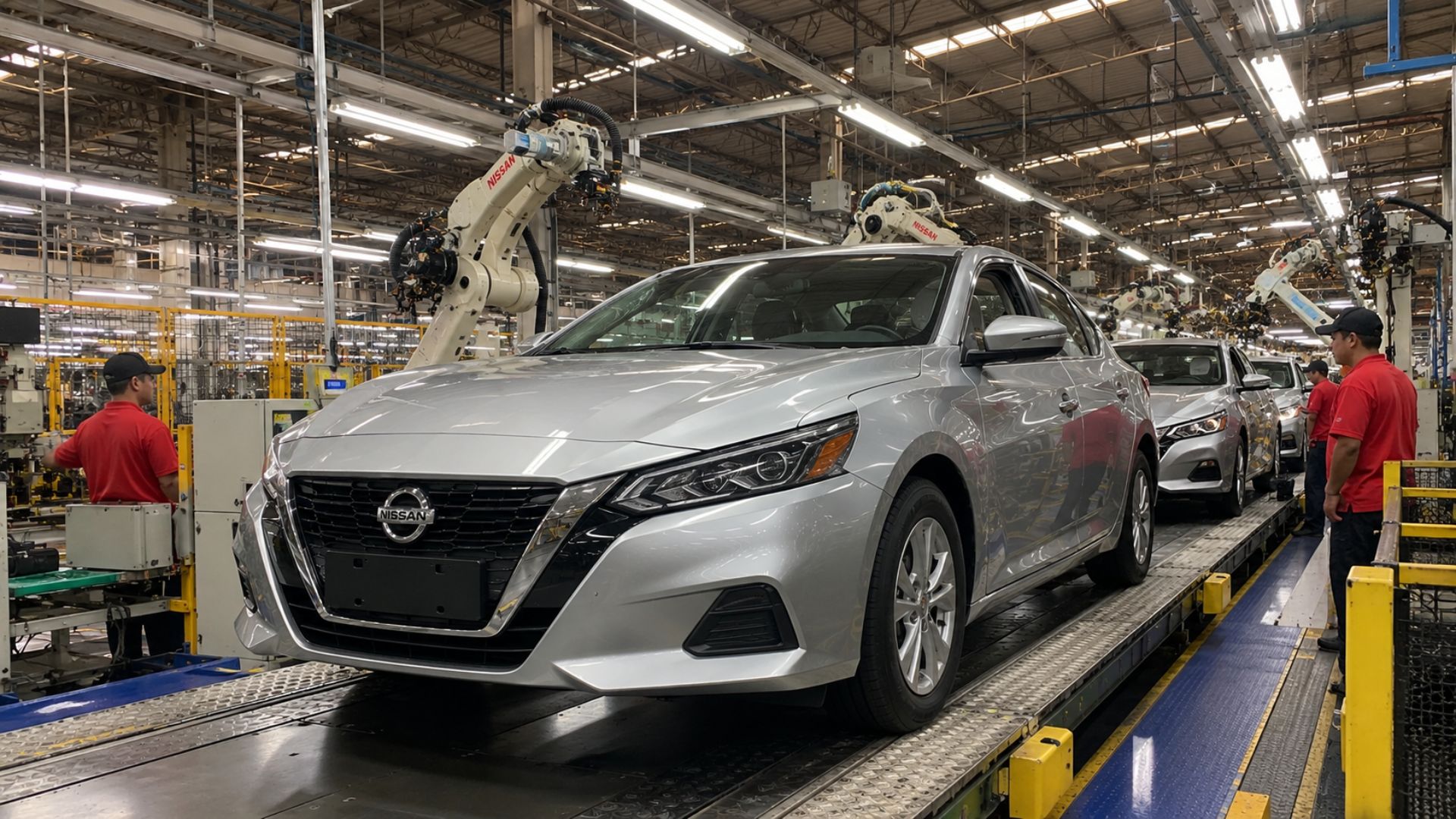


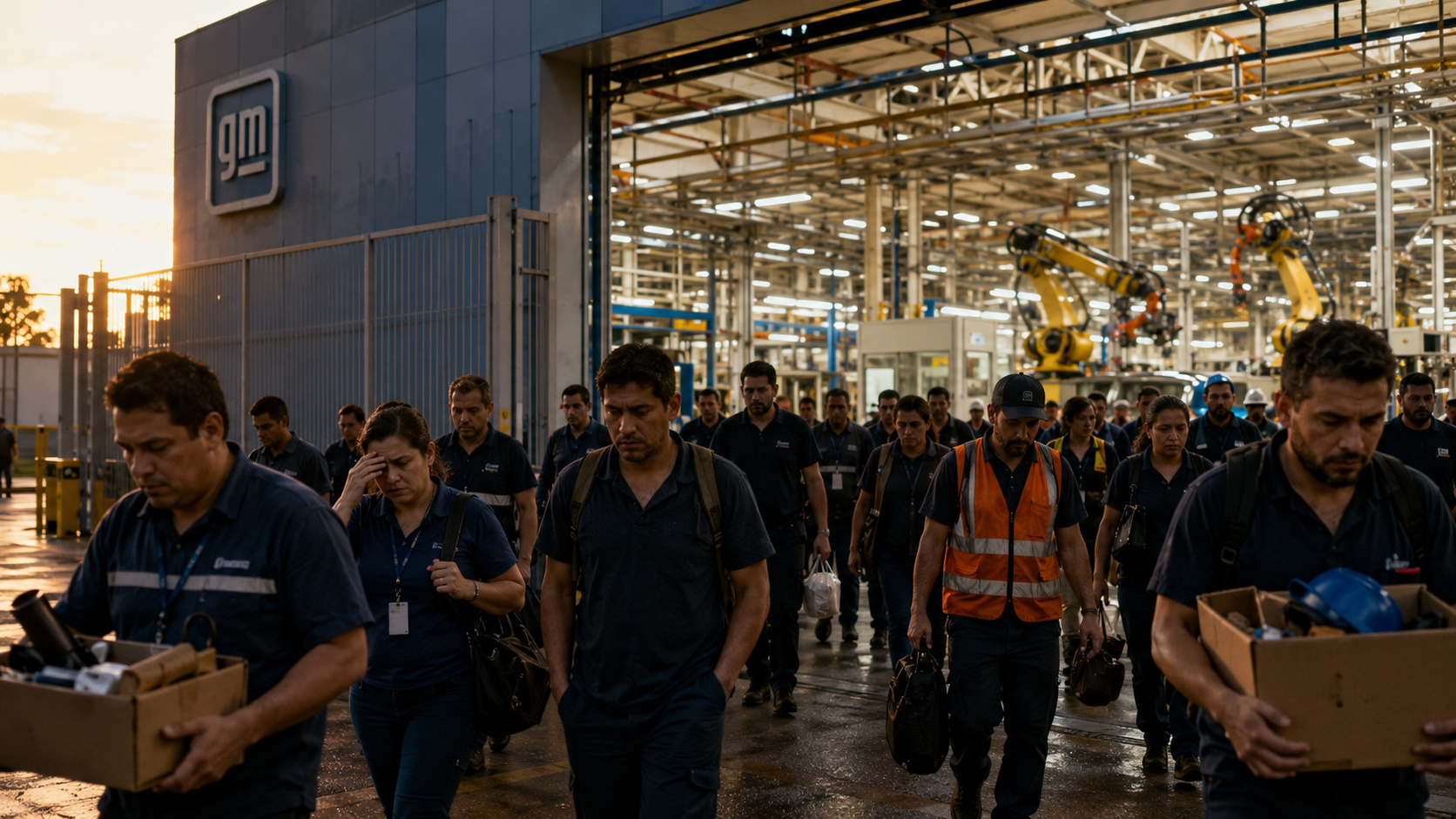
The situation is a reflection of growing tensions in the automotive industry, both in Brazil and the United States, where automakers are being pressured by their respective workforces.
Mass Layoffs And Breakdown Of Previous Agreements
The situation becomes more complex as it is revealed that GM laid off several employees, including workers on layoff, pregnant women, and individuals with health issues, via telegrams and emails, without any prior negotiation with the unions. This triggered a negative reaction from the workers, who claim that GM violated a previous agreement not to make layoffs or take other actions without first negotiating with legal representatives of the workers. The outrage is even greater considering that the layoff agreement, approved in June, was supposed to guarantee job stability for about 1,200 workers during the contract suspension.
International Solidarity: The Strike In The US At Ford And Stellantis Factories
The strike occurring in the US involving workers from the three major American automakers, GM, Ford Motor, and Stellantis, is also resonating in Brazil. The strike in the US has been ongoing for over a month, and American automotive workers are pushing for higher wages and benefits, as well as the elimination of a tiered system that pays significantly less to newer employees. The automakers claim that the union demands would hurt their profits, as they attempt to compete with non-unionized manufacturers like Tesla.
While GM Claims Economic Difficulties To Justify Layoffs, The Company Reported A Global Net Profit Of US$ 2.57 Billion In The Second Quarter Of This Year
While GM claims economic difficulties to justify the layoffs, its recent financial results tell a different story. The automaker reported a global net profit of US$ 2.57 billion in the second quarter of this year, a 51.6% increase compared to the previous year. In addition, vehicle deliveries are on the rise, especially in the United States and Brazil. This positive scenario raises questions about the justification for the layoffs and intensifies the workers’ outrage.