Portuguese
  Spanish


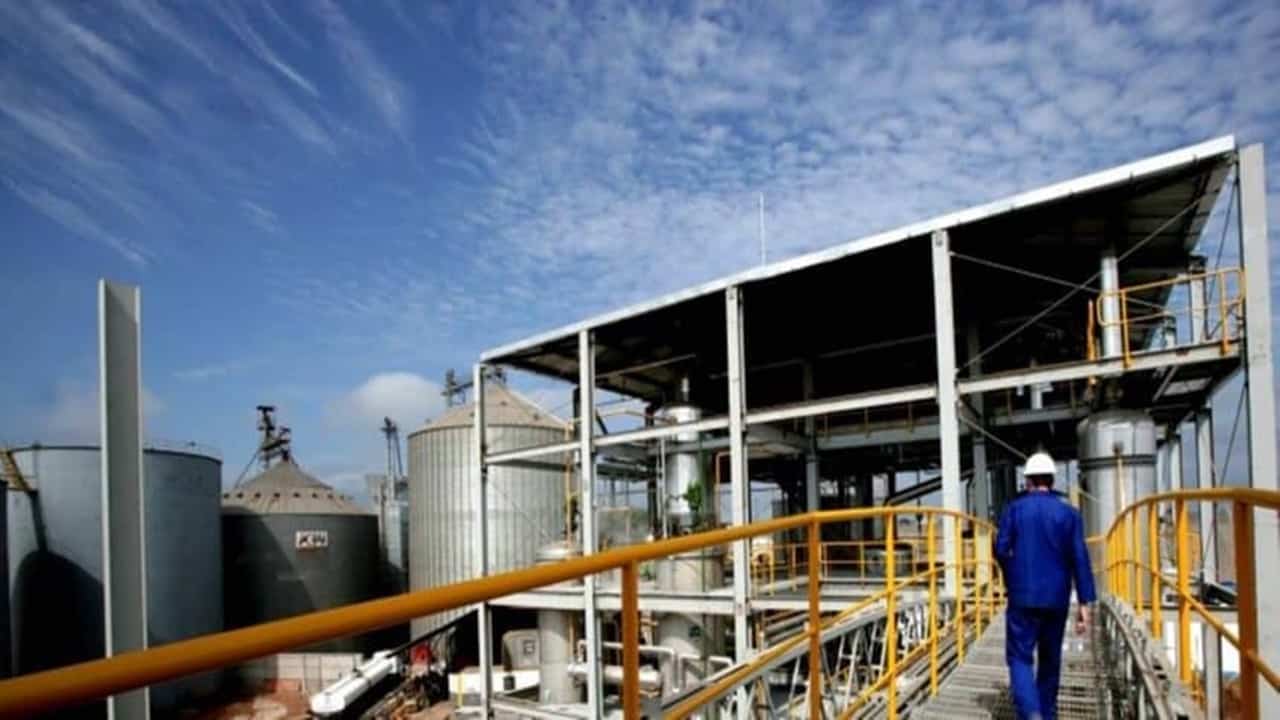

To Avoid Swimming in Stocks, Mills Will Have to Adjust to the Market and Bring the Biofuel to the Average Parity of 70% in Relation to the Price of Gasoline!
After the price of gasoline collapsed and was found at R$ 4.58 at gas stations in the State of São Paulo, hydrated ethanol is facing the new dynamics of Petrobras’ pricing policy for the oil derivative and the consolidation of tax changes on fuels.
The mills will have to adjust to the market and bring the biofuel to the average parity of 70% in relation to the competitor’s price, that is, stop the appreciation and move to reduction. This is what analyst and trader Martinho Ono from SCA Trading expects, as he stated in an interview with MoneyTimes.
After consecutive cuts in gasoline prices, Petrobras has definitively incorporated government pressure, and there is no expectation that rises in oil prices could lead it to adopt a contrary movement.
-
Tesla injected an additional $250 million into the German factory, doubled the battery cell target, and opened its own production line for startups.

-
A 180-meter ship with a deck the size of a football field was christened to carry 25,000 tons of giant energy modules around the world.
-
To erect the “Baleia” building on the richest avenue in Brazil, he bought 35 houses, paying with trips to Disney, a truck, and even an apartment, waited over 20 years, and today the complex is valued at R$ 2.5 billion.
-
The land belonged to her great-great-grandfather and was worth R$ 25 per square meter during the pandemic; the couple sold 250,000 m² for the nearly R$ 30 billion project that is transforming the “neighbor of Jericoacoara,” and today a house in the region goes for R$ 4.2 million.


Regarding tax issues, gasoline has been “acting faster” in the reduction imposed by the equalization of ICMS among states.
The PIS/Confins that applies to the production and marketing of ethanol becomes the same if there is a direct sale to the gas stations or to distributors.
Due to the still confusing scenario, with the harvest progressing and good stocks, the mills followed the rise in selling prices in recent weeks.
Direct Sale of Ethanol from Mills Approved by Senate Promises to Stimulate Competition and Curb the Increase in Gasoline Prices at Fuel Stations
On December 8, 2021, the Senate approved, by 71 votes in favor and none against, the permission for direct sales of ethanol from mills – without going through distributors – to gas stations. Now, Provisional Measure 1.063/2021 goes to President Jair Bolsonaro (PL) for sanction. The new MP could curb the rise in gasoline and diesel prices and ease the wallets of Brazilians.
Currently, the taxation of ethanol is done in two stages: one part at production and another at distribution. The text expected to be edited by the government, still in May, should both equate the tax feasibility of direct sales and put it into legislation, preventing the issue from being dealt with again through a resolution from the National Agency of Petroleum, Natural Gas and Biofuels (ANP), with more volatile effects than in a law.
After Loyalty to the Brand at Gas Stations was Lifted, ANP Also Authorized Gasoline and Ethanol Sales via Delivery
After the direct sale of ethanol and the end of brand loyalty at fuel stations were approved on August 11, 2021, allowing gas stations displaying brands from a specific distributor to sell fuels from other suppliers, as long as the consumer is informed, it was the turn for the long-promised sale of gasoline and ethanol via delivery to be liberated by the National Agency of Biofuels, ANP. Together, these measures could become the “solution” to curb the increase in gasoline prices, easing the burden on consumers.
As a result, gas stations will be able to deliver regular gasoline or ethanol to homes. The measure, however, comes into effect 180 days after the publication of the resolution in the Official Federal Gazette. Read the full article here.
Raízen, Shell Group, Seeks to Build Three Mills Producing Ethanol Made from Bagasse and Sugarcane Straw
Raízen, the global giant producer of ethanol, in partnership with Shell, plans to build three more cellulosic ethanol mills — or second-generation. The good news was announced by businessman Rubens Ometto from Cosan.
The technology for producing cellulosic ethanol arose from a partnership between Shell and the Canadian company Logen, specialized in biotechnology. In the last harvest, the Piracicaba unit produced 226 liters of ethanol for each ton of dry biomass.