Portuguese
  Spanish




Tye Lane Solar Farm of 49.9 MW in Suffolk Receives Planning Permission for Solar Energy Project, Promoting Sustainable Development and Biodiversity.
The Tye Lane Solar Farm project by EDF Renewables UK in Suffolk has been approved to move forward. The planning committee of the Mid Suffolk District Council gave the green light to the 49.9 MW project after extensive consultations. The project northwest of Bramford will be able to generate enough low-carbon electricity to meet the annual domestic needs of over 14,500 households while saving around 17,100 tons of carbon dioxide emissions per year, said EDF.
In addition to the benefits of generating clean and green energy, EDF Renewables UK will establish a £20,000 community benefits fund paid annually over the 35-year lifespan of the project to support local social, environmental, and community initiatives. Darren Cuming, Head of Development at EDF Renewables UK, said: ‘We are very pleased to receive planning consent for Tye Lane, which is a great site for solar energy. ‘EDF Renewables UK is an experienced developer and we are firmly committed to solar energy as a technology that will help us accelerate a net-zero future, where clean energy powers all our lives. ‘In addition to the community fund, we also plan to provide other benefits as part of the project; we will plant extensive margins of wildflowers and species-rich grasses to enhance local biodiversity, provide more woodlands, new hedgerows, and install bird and bat boxes.’
Benefits of Solar Energy for Energy Planning
Solar energy is a renewable energy source that has been gaining attention in recent years due to its numerous benefits. The use of solar energy, also known as photovoltaic energy, has a significant impact on reducing carbon emissions, contributing to a cleaner and healthier environment. Additionally, solar energy is a clean and inexhaustible energy source, making it very attractive for long-term energy planning.
-
Fired during apartheid and with a little borrowed money, an electrician started with a borrowed truck and transformed electrical services into a group connected to energy, real estate, and infrastructure in South Africa.

-
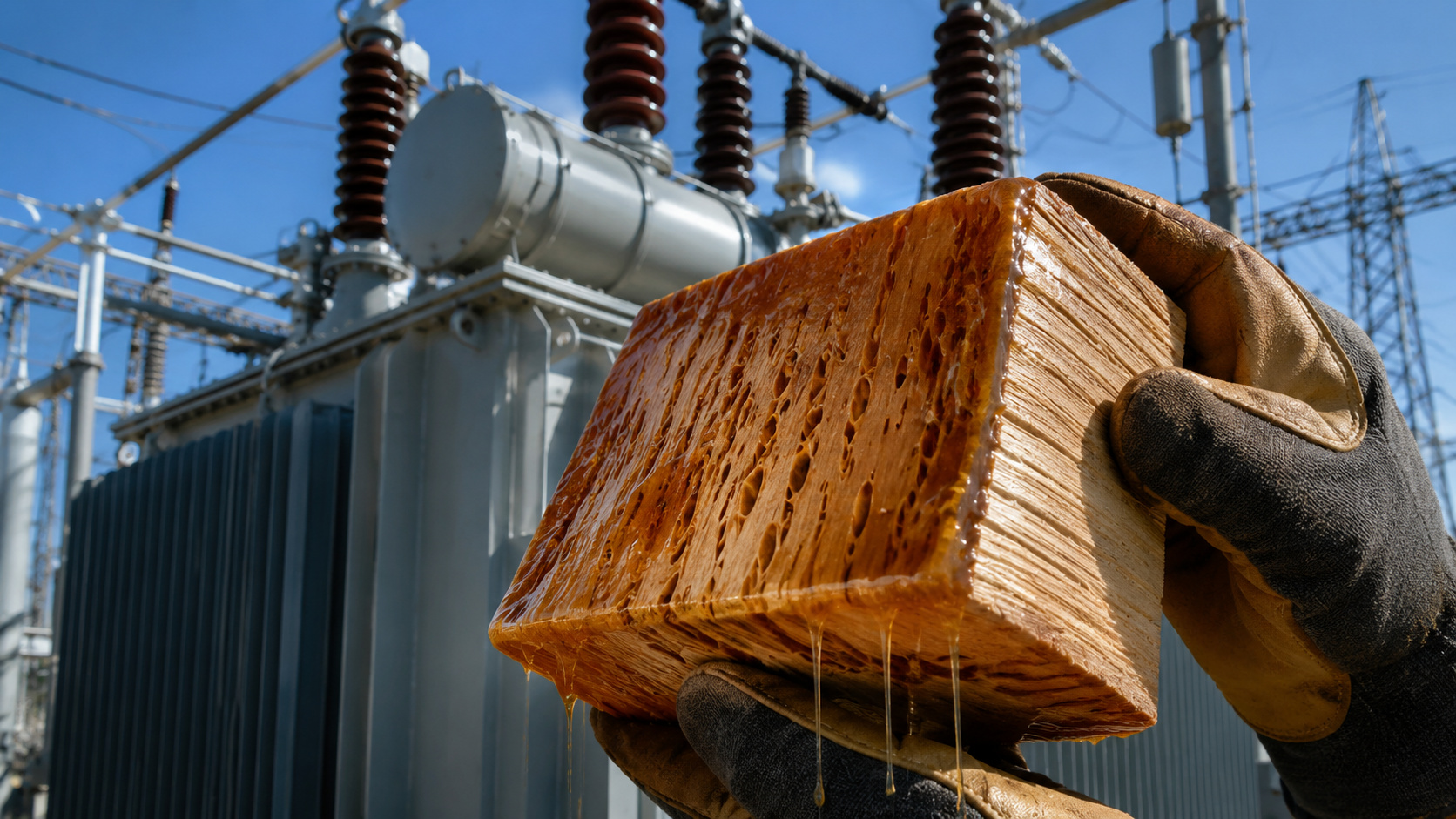
Wood has ceased to be just a construction material in Yale research and has become insulation for electrical transformers that face intense heat, aging, and increasing pressure from the renewable energy-powered grid.
-
More than 1,000 residents of a remote island in Kiribati now have clean water and electricity with solar systems operated by the community itself.
-
Ceará brings together 7 giants and R$ 66 billion to transform Pecém into the largest green hydrogen hub in Brazil, with final decisions expected by the end of 2026.



A large-scale solar energy project can generate many megawatts (MW) of electricity, powering entire communities. The consent of the communities is crucial for the successful development of solar energy projects, and careful planning is essential to ensure that solar technology is implemented in a way that respects local biodiversity.
Furthermore, solar energy also has positive impacts on the economy, creating jobs and attracting investment to the renewable energy sector. With decreasing installation costs, solar energy is becoming more accessible, allowing more people and businesses to benefit from it. In summary, solar energy plays a key role in sustainable energy planning for the future.
The Potential of Solar Energy for a Sustainable Future
The potential of solar energy for a sustainable future is immense. Solar energy provides a clean and renewable energy source that can help reduce carbon emissions and dependence on fossil fuels. Solar technology is constantly evolving, becoming more efficient and accessible, making it an attractive alternative for long-term energy planning.
Additionally, solar energy has the potential to transform communities by providing clean and sustainable energy to areas that previously had limited access to electricity. Large-scale solar energy projects can generate many megawatts (MW) of electricity, powering entire cities and driving economic development.
Careful planning is essential for the success of solar energy projects, ensuring that community consent is obtained and that local biodiversity is respected. Solar energy represents a unique opportunity to drive sustainable development and create a cleaner, more prosperous future for generations to come. With continued investment and strategic planning, solar energy has the potential to revolutionize the way we obtain and use energy.
Source: © Re News.Biz