






 Portuguese
  Spanish
  5 min of reading
  0 comments


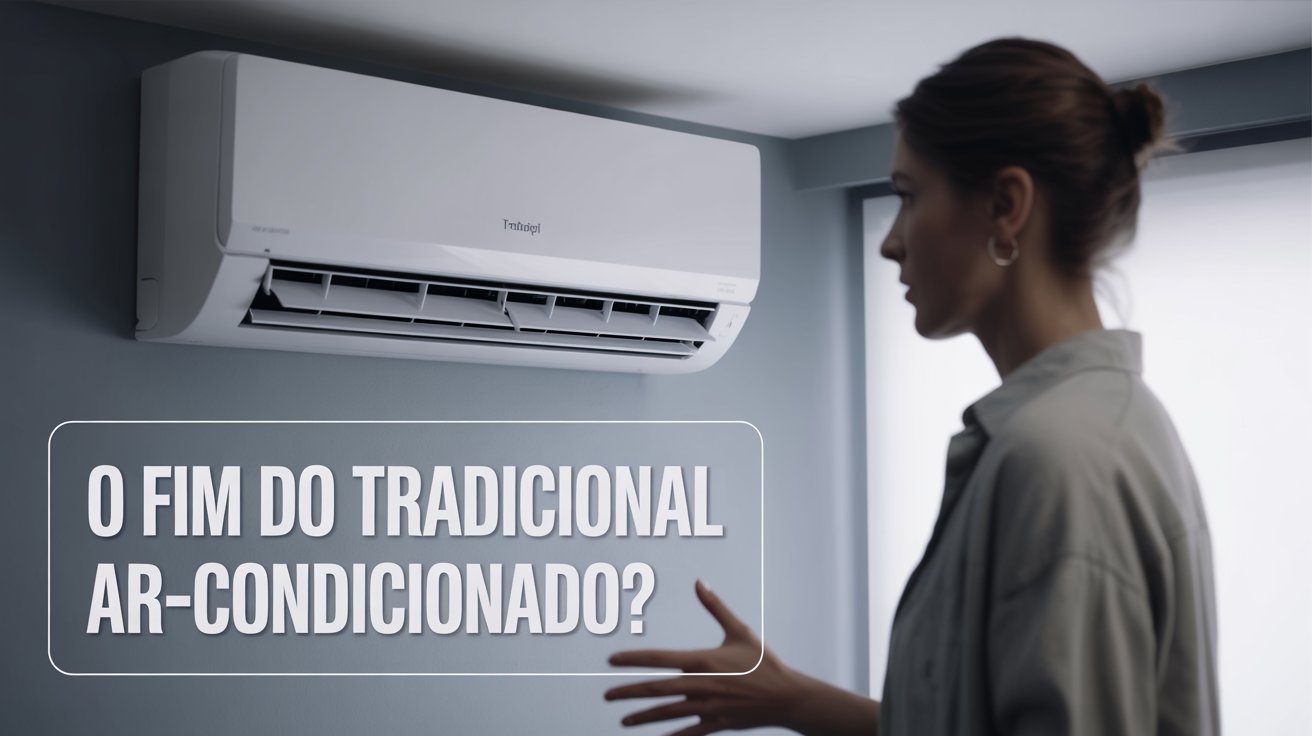
French Startup Launches Sustainable Air Conditioning System That Reduces Costs, Avoids Polluting Gases, and Promises to Transform the Thermal Comfort Market in Homes and Businesses.
A new technology developed by the French startup Caeli Energie promises to transform the air conditioning market by offering an efficient and sustainable alternative to conventional air conditioning.
The system, presented this year, eliminates the use of polluting gases found in most traditional appliances and can reduce energy consumption by up to five times, according to recent data from the company.
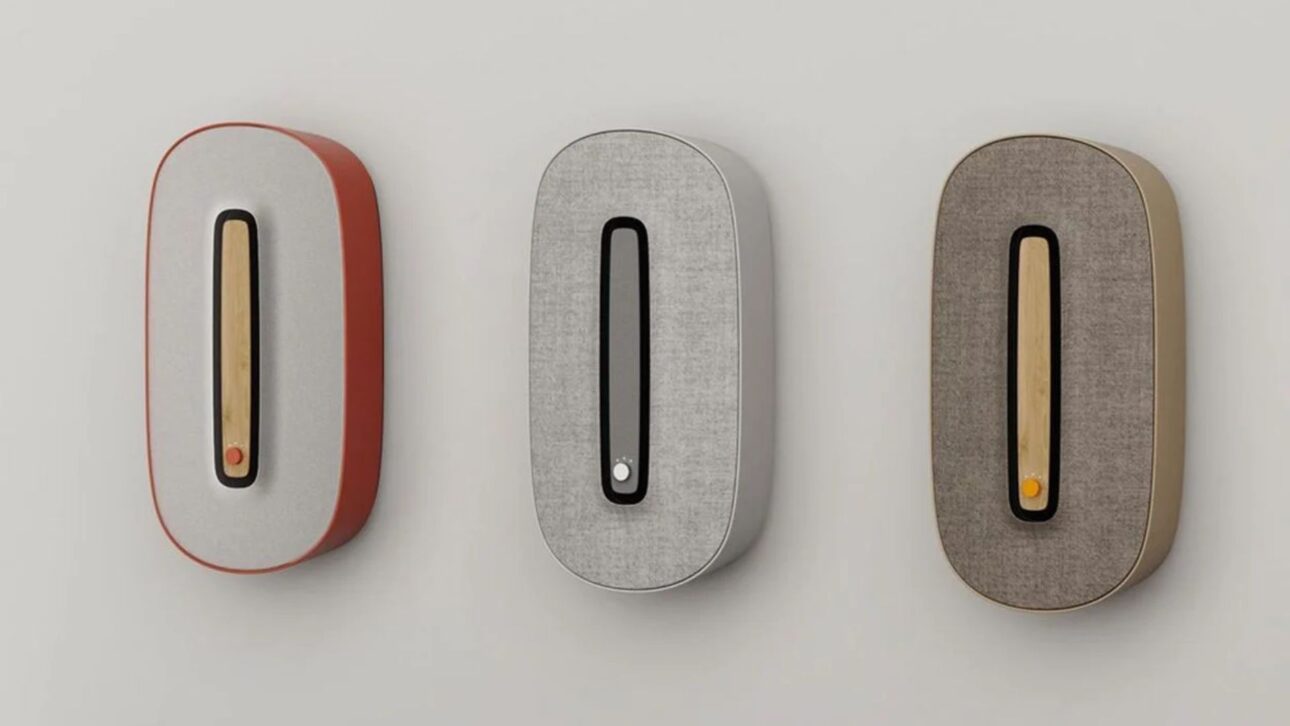
With the capacity to condition spaces of 20 to 40 square meters, the equipment has an oval shape, is made from recyclable materials, and proposes an innovative solution for thermal comfort in homes and businesses.
-
Petrobras sells the first batch of 3,800 m³ of aviation fuel made with certified soy, capable of reducing emissions by up to 70%, in an unprecedented project that anticipates the aviation sector’s requirements expected for 2027.

-
Brazil enacted a national minimum wage for teachers at R$ 5,130 for a 40-hour workweek, raised the minimum wage for basic education after a 5.4% adjustment, and established a rule that prevents increases below inflation in the coming years across the country.

-
Luciano Hang offers a R$ 40,000 prize at Havan, but it’s not exactly a job position: it’s an influencer contest for the network’s 40th anniversary, with a contract for the winner.
-
For years Star Wars led, but the most expensive film in history is now Jurassic World: Dominion, with a budget of $658.8 million and a box office that exceeded $1 billion.




Energy Efficiency and Innovation in the Air Conditioning Sector
Unlike conventional models that rely on compressors, condensers, and chemical refrigerants – known for their high global warming potential – the new system uses an efficient heat exchange method, completely free of harmful substances.
The proposal not only reduces carbon emissions but also avoids the risk of gas leaks that harm the ozone layer.
According to the information, the technology ensures a significant reduction in electricity costs, representing a viable alternative in light of the rising electricity tariffs recorded in various countries.

Economic and Environmental Advantages of Sustainable Air Conditioning
Among the main economic and environmental benefits of this new device are:
- Financial savings on electricity bills
- Lower environmental impact due to the absence of greenhouse gases
- Simple installation, without external units
- Use of recyclable materials in the design
The elimination of the external unit, a mandatory feature in traditional systems, simplifies both installation and maintenance, making the product accessible for different types of environments and architectural projects.
The use of recyclable materials reinforces Caeli Energie’s commitment to practices aligned with the circular economy and industrial sustainability.
Air Conditioning Market and Trends for 2025
The industry’s expectation is that the popularization of technologies like those of Caeli Energie will result in a gradual decrease in retail prices, which could broaden the public’s access to sustainable air conditioning solutions.
According to specialists in the air conditioning and energy market, the trend is that consumers will increasingly seek alternatives that combine energy efficiency, practicality, and environmental responsibility.
Updated data from the International Energy Agency (IEA) indicates that, by 2025, the demand for equipment that consumes less electricity and emits fewer pollutants is expected to grow rapidly, especially in warm climate regions.
Investment and Expansion of Sustainable Technology
The recent funding of 10 million euros received by Caeli Energie reflects the market’s interest in sustainable innovation within the air conditioning segment.
This investment will allow for an increase in production capacity, research, and development of new technologies capable of meeting the global demand for cleaner and more economical solutions.
The absence of refrigerant gases in the device’s operation, combined with energy efficiency, contributes to a healthier indoor environment, as it eliminates the risk of contamination by chemical substances and reduces indirect impacts on public health.
Future of Air Conditioning and Adaptation to New Environmental Requirements
The trend of growth for sustainable air conditioning in 2025 is confirmed by data from international institutes and projections from the sector, indicating the consolidation of ecological systems as a reference in the global market.
The future of air conditioning involves alternatives like those proposed by Caeli Energie, capable of uniting thermal performance, sustainability, and adaptation to new environmental and economic demands.
The concept of sustainable air conditioning involves employing technologies that provide thermal comfort without compromising natural resources and the health of the planet.
According to specialists, adopting innovative solutions is a fundamental strategy for those looking to reduce operational costs and comply with increasingly stringent environmental regulations.
The move towards appliances that do not use chemical refrigerants may become one of the primary responses from the sector in the face of climate change and the need to reduce the carbon footprint of cities.
Ease of Installation and Impact on Residential and Business Consumption
In terms of ease of use, the simple and practical installation of Caeli Energie’s equipment eliminates the need for complex renovations or structural adjustments in properties.
The product is already available in some European markets and is expected to arrive in Brazil by the end of 2025, according to the company’s forecast.
The dissemination of this technology may encourage other startups and traditional manufacturers to invest in research and development of similar solutions, stimulating competition and benefiting the end consumer.
Sustainable Air Conditioning: Strategic Role for the Future of Cities
The growing concern for the environment and the transformations in global consumption patterns put sustainable air conditioning at the center of discussions regarding the future of smart cities and energy efficiency.
International organizations, such as the United Nations (UN), have reinforced the need to adopt industrial and technological practices that promote the reduction of environmental impacts, especially in high-energy-consuming sectors like refrigeration and air conditioning.
Even though the initial price of the new device is higher than traditional models, the energy savings provided over the months tend to compensate for the investment, making the alternative attractive for homes, offices, stores, and collective-use environments.
Moreover, the absence of constant maintenance and the need for chemical fluid recharge represents another advantage for users.
In light of this scenario, the big question is: with the arrival of technologies that combine energy efficiency and respect for the environment, is the traditional air conditioning really on the way out? What do you think about this revolution in sustainable air conditioning?


Be the first to react!