






 Portuguese
  Spanish
  4 min of reading
  0 comments


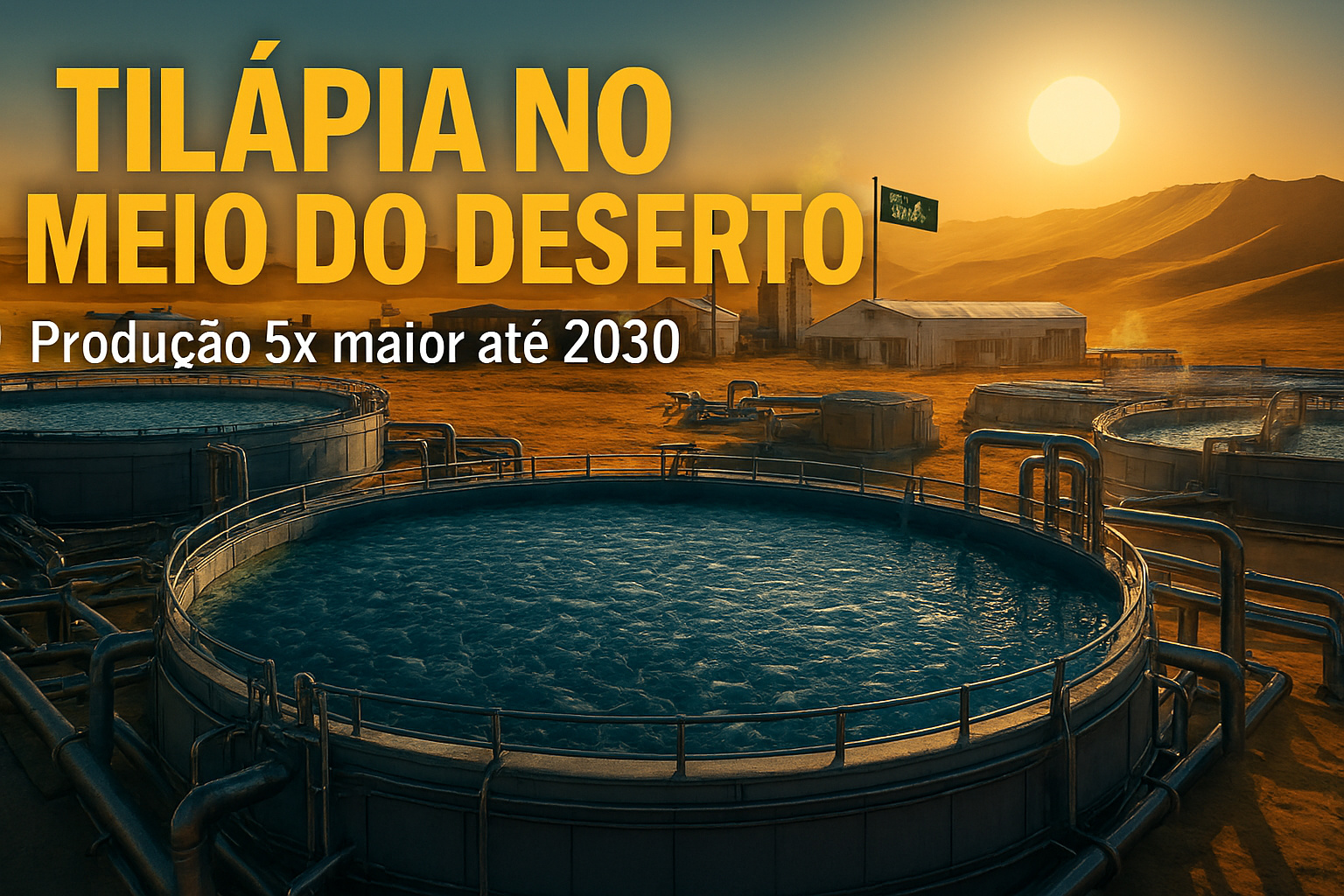
Saudi Arabia Launches Megaproject to Quintuple Tilapia Production with Desalinated Water in the Desert and Aims at the Global Aquaculture Elite.
Saudi Arabia is undergoing a silent yet strategic transformation. Traditionally associated with oil, the country has decided to also become a global aquaculture hub, and it is doing this in the least likely place on the planet: the desert. In 2023, the Saudi Ministry of Environment, Water, and Agriculture announced a comprehensive national aquaculture program based on Recirculating Aquaculture Systems (RAS), the use of desalinated water, and intensive tilapia farming in completely controlled environments.
The official goal of the government, documented in the Vision 2030 reports, is to quintuple the national tilapia production by 2030, jumping from around 30,000 tons annually to levels comparable to those of major emerging producers. For a country where extreme climate and water scarcity previously made aquaculture unviable, the progress represents a profound technological breakthrough and a global case study.
TECHNOLOGY IN THE DESERT: CLOSED TANKS, DESALINATED SALT WATER, AND INDUSTRIAL-SCALE RAS
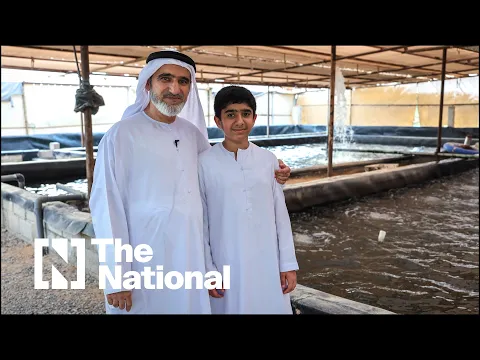

The backbone of the Saudi project is the combination of three elements:
-
Organic grape juice from São Roque surprises experts, scores over 90 points in a blind test, and wins a national award after six years of agroecological research.

-
In Matopiba, soybeans have replaced rice and beans, and traditional Cerrado communities that used to grow their own food now have to buy it, while pesticides from neighboring farms reach the springs.

-
Foreign tree planted to combat drought invades more than 1 million hectares of the Caatinga, encroaches on riparian forests, and turns an old solution for the semi-arid region into a silent threat to biodiversity.
-
Invasive weed that withstands extreme heat advances with climate change, threatens crops on several continents, and raises a global alert about a silent plant capable of dominating soils, suffocating native species, and reshaping entire ecosystems.



- Desalinated Water — the country is already the largest producer of desalinated water in the world and redirects part of that capacity for productive purposes.
- RAS (Recirculating Aquaculture Systems) — closed systems that reuse up to 95% of the water, allowing for continuous production even in areas with extreme scarcity.
- Climate-Controlled Environments — tanks are installed in units protected from external heat, where temperature, oxygen, salinity, and stocking density are controlled by automatic sensors.
This engineering allows for tilapia farming in one of the planet’s most inhospitable climates, where temperatures exceed 45 °C and there is no natural water availability.
According to official data from the Saudi Ministry, the industrial plants already installed can raise productivity per cubic meter to levels higher than those in traditional outdoor systems. Furthermore, the water consumption per kilogram of fish is drastically lower than that of any conventional method.
WHY TILAPIA? THE FISH THAT CONQUERED THE DESERT
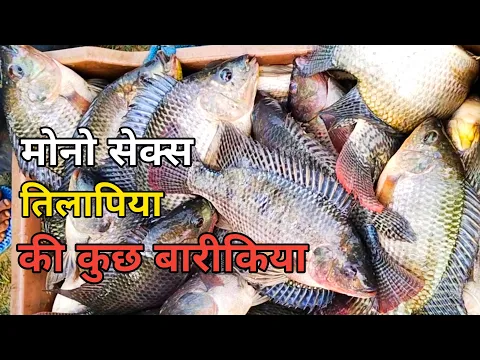
Tilapia was chosen as the priority species for a simple reason: it is resilient, has a short cycle, reaches market weight quickly, and has a growing acceptance in the Saudi market, which heavily relies on imports.
The choice follows a trend observed in several arid countries, such as Egypt and the United Arab Emirates, which also use intensive fattening technologies to reduce external dependency.
In addition, tilapia adapts well to recirculation systems, has efficient feed conversion, and maintains sensory quality even in artificially managed waters. This combination makes it one of the most suitable fish for high-density projects in closed environments.
SCALE PRODUCTION: THE 2030 GOAL AND THE COUNTRY’S STRATEGIC LEAP
The Saudi aquaculture program is part of the Vision 2030, a national plan for economic diversification.
The country does not want to depend solely on oil revenue and identifies the global fish market as a strategic growth axis, especially in light of the growing demand for low-impact environmental protein.
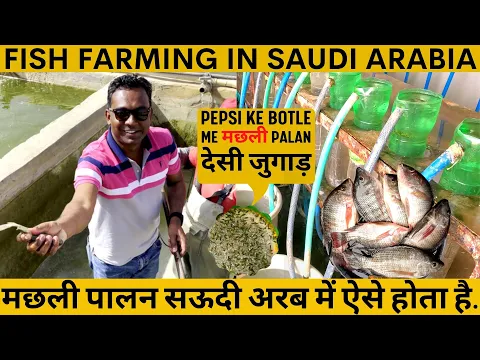
The goal of quintupling production by 2030 is not only bold: it is economic. Saudi Arabia imports a large portion of the fish consumed domestically, especially salmon, snapper, shrimp, and tilapia. Every ton produced in the desert means less pressure on the trade balance and more stability in internal prices.
The government has also created financing lines, subsidies, and an acceleration program for aquaculture projects, allowing private companies to set up large farming structures in desert areas near desalination zones.
GLOBAL COMPARISON: WHAT SAUDI ARABIA AIMS TO ACHIEVE
The planned leap could place Saudi Arabia on par with countries like:
- Indonesia, which has expanded tilapia production with strong state support;
- China, the global leader in RAS and intensive production technologies;
- Egypt, the African giant that has transformed arid areas into aquaculture hubs in the Nile Delta.
According to experts consulted by the FAO, the Saudi case is comparable to what the country has done with irrigated agriculture in recent decades: a structural transformation built on artificial water infrastructure.
CHALLENGES AND OPPORTUNITIES: THE FUTURE OF AQUACULTURE IN THE DESERT
Despite the advancements, the model still faces challenges, such as the energy cost of desalination and the need for specialized labor. However, the government is already integrating solar energy solutions into production units, reducing energy expenditure and improving the system’s sustainability.
Another challenge is cultural: strengthening the internal consumption of tilapia, historically less present on Saudi tables compared to other species. However, with incentive campaigns, improved quality, and increased availability, consumption is already showing a growth trend.
A SILENT REVOLUTION IN THE HEART OF THE DESERT
The Saudi megaproject is now one of the most emblematic cases of modern aquaculture. The combination of desalinated water, closed systems, and large-scale state planning is transforming a desert country into an emerging fish farming hub.
If it reaches its 2030 target, Saudi Arabia will not only be a significant tilapia producer. It will be a global symbol of how technology, water engineering, and strategic vision can create a sustainable protein chain where nature alone would never allow it.


-

-

-

10 people reacted to this.