Portuguese
  Spanish


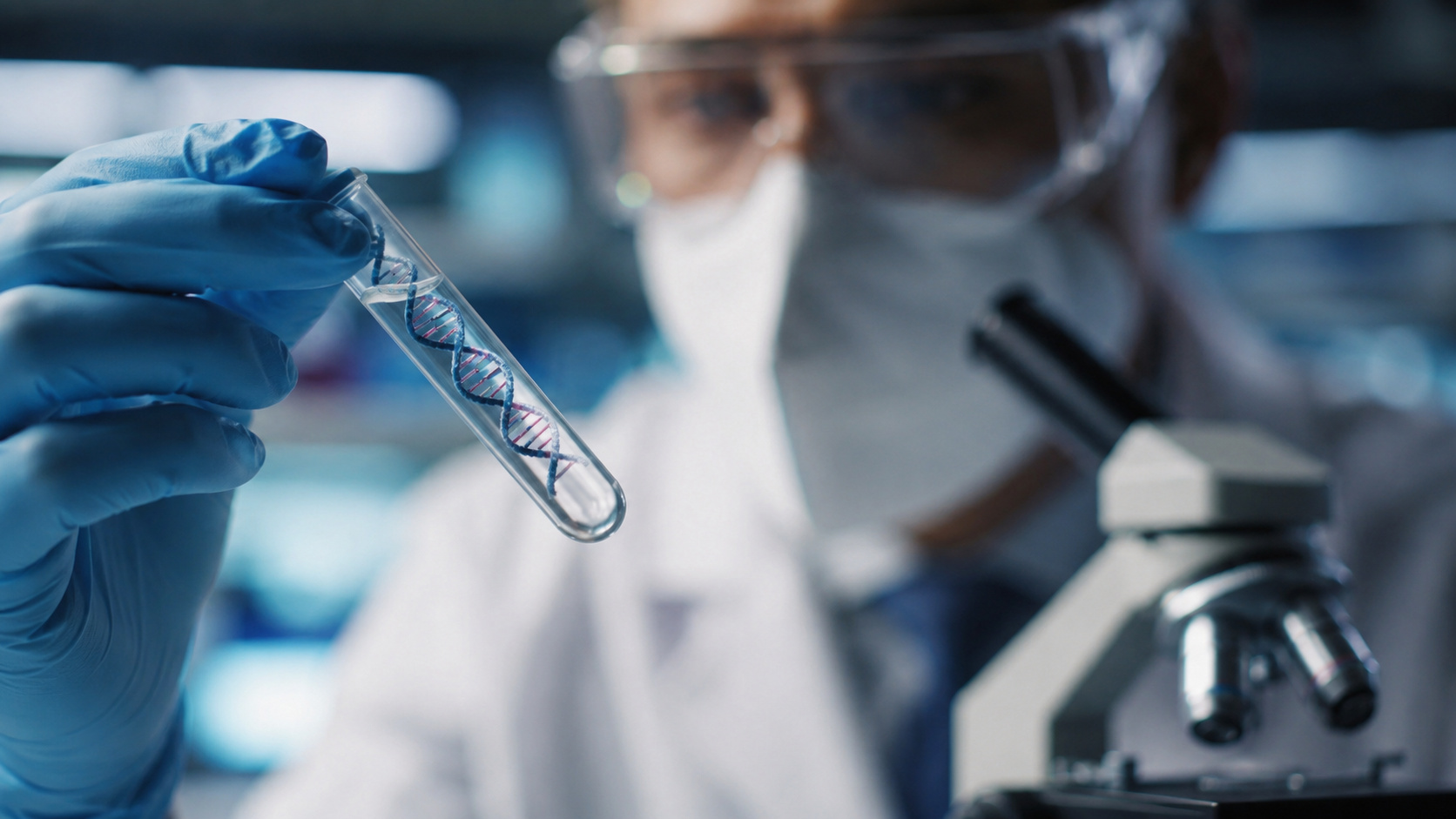

Genetic study shows that archaic fragments preserved in the body can alter responses against common viruses and expand the understanding of preventive medicine
A scientific discovery of great impact for human genetics was recently presented, attracting the attention of the medical community.
Researchers from the University of Tartu, based on data from the UK Biobank, identified that DNA fragments inherited from Neanderthals and Denisovans can influence viral load in modern humans.
The analysis, published in May 2026 in the journal Genome Biology and Evolution, linked ancient haplotypes to the replication of common viruses, such as Epstein-Barr, human herpesvirus 7, and torque teno virus.
-
Scientists Develop Needle-Free Insulin That Penetrates Skin, Reduces Glucose in Animals Within an Hour, Paving the Way for Diabetes Patches and Creams for Humans

-
After 40 Years of Research, Powdered Coconut Water to Be Produced in Brazilian Biorefinery, Aiming to Revolutionize Health for Children, Elderly, and Hospital Patients
-
Queen Guitarist Brian May Collaborates with ESA Scientists to Study Asteroids Bennu and Ryugu Using 3D Simulations
-
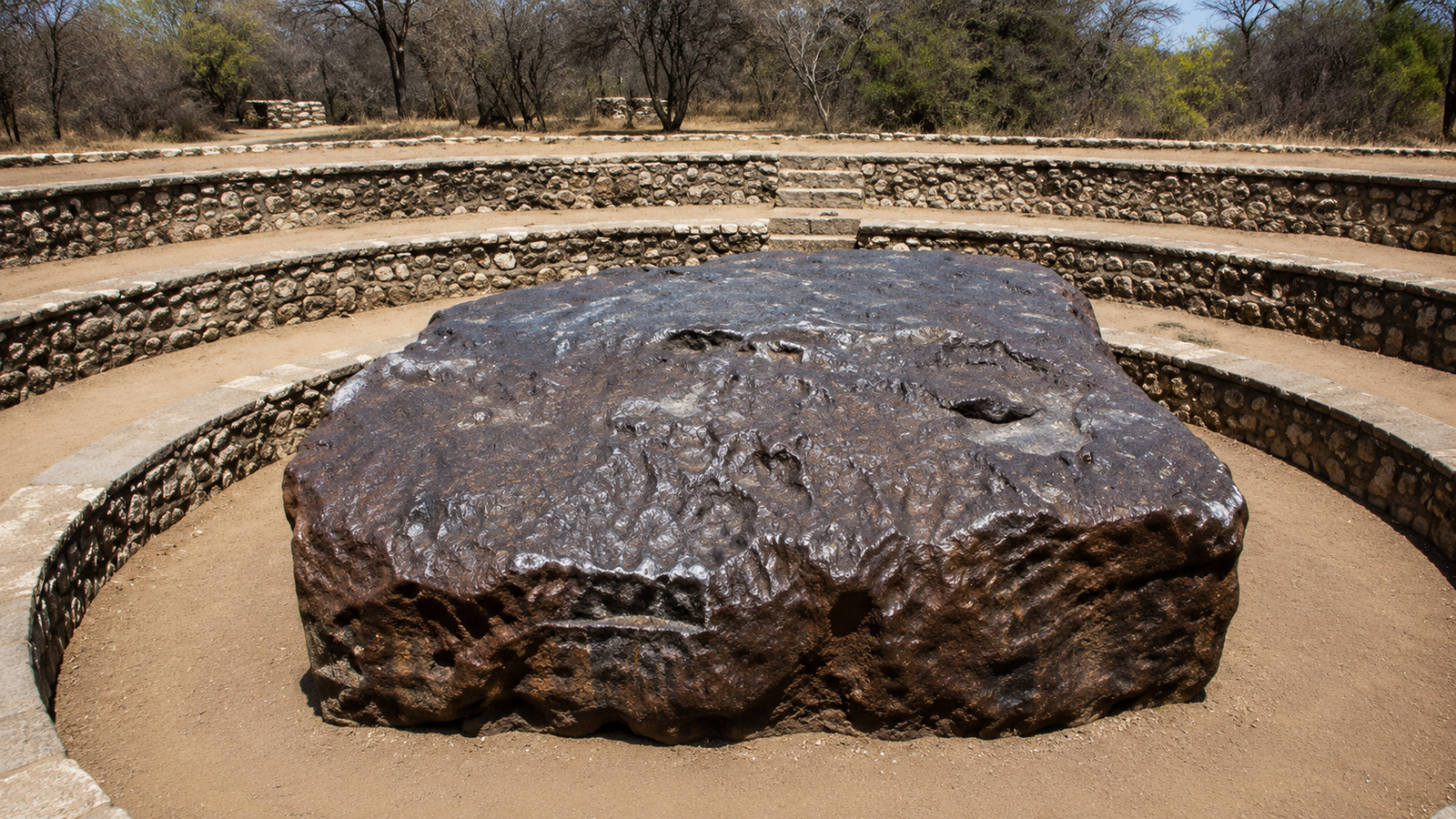
Largest Known Single-Piece Meteorite, Weighing 60 Tons, Puzzles Scientists with Its Intact Fall and Lack of Visible Crater


This finding demonstrates that evolutionary inheritance can still interfere with current immunity, especially in biological responses against chronic viral infections.
Genetic review reveals direct impact on immunity
The research analyzed detailed genetic information to understand how archaic fragments act in the human body. After all, part of the modern population carries traits inherited from ancient crossings between modern humans, Neanderthals, and Denisovans.
These preserved segments in the genome can alter biological defense mechanisms and, therefore, caught the attention of scientists.
The researchers observed that certain genetic variations are associated with higher viral replication. Consequently, people carrying these haplotypes may present higher viral loads in specific infections.
This result does not indicate obligatory disease, but reveals a relevant association between evolutionary genetics and immune response.
Impacts of archaic genes on common viruses
The most evident impact was observed in viruses that circulate widely in the world population. Among them, the Epstein-Barr virus drew attention for its ability to remain in the body chronically.
Human herpesvirus 7 also appeared among the agents related to the presence of archaic DNA. Meanwhile, the torque teno virus completed the analyzed group, precisely because it is used as a marker of the general state of immunity.
These data indicate that small variations inherited over evolution can influence the control of modern pathogens. Thus, the study expands the understanding of how the genetic past remains present in current health.
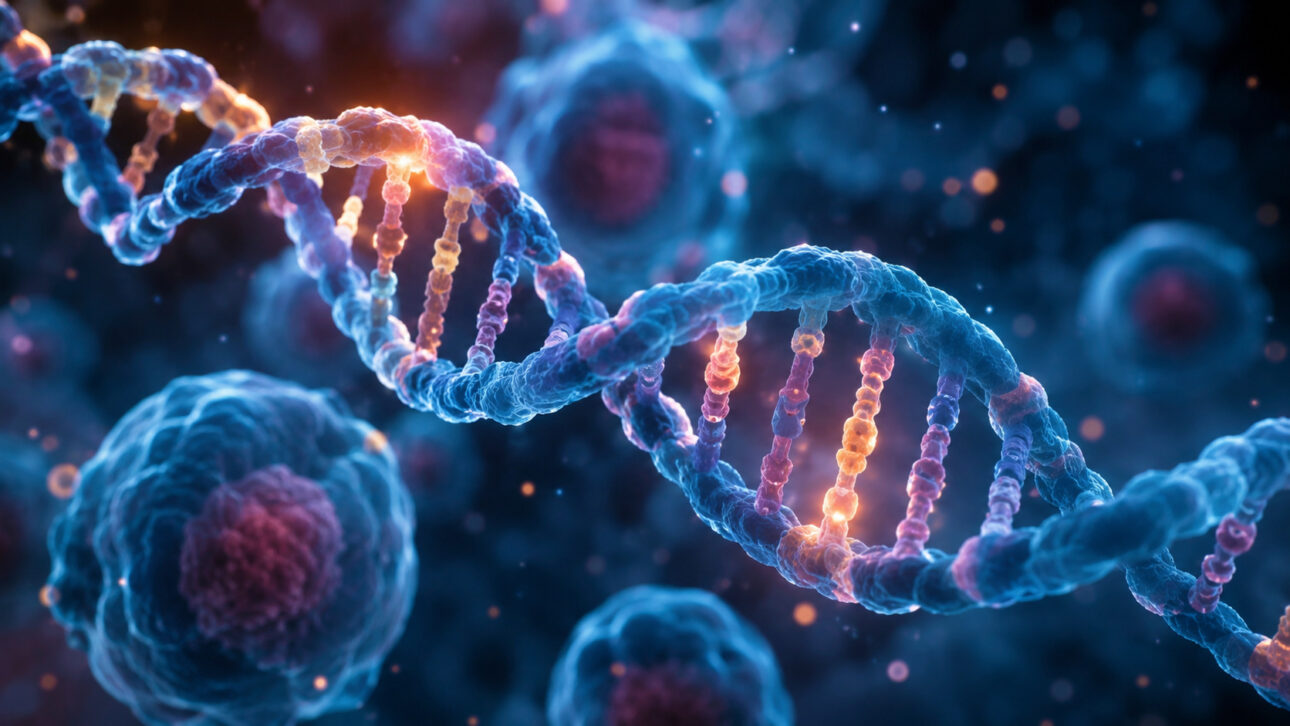
Neanderthal Heritage Raises New Questions for Medicine
The discovery is relevant, but should not be interpreted as a direct prediction of disease. Many people carry fragments of Neanderthal DNA without presenting associated clinical problems.
Even so, the research shows that these traits can modify how the body responds to certain viruses.
This point is important because it connects ancestry, immunity, and personalized preventive medicine. From this knowledge, scientists can better investigate which individuals have greater susceptibility to persistent infections.
New studies can also help refine diagnoses based on genetic risk.
Torque Teno Virus Helps Measure Immunological Efficiency
The torque teno virus played an important role in the analysis because it functions as a natural indicator of immunity. When its load appears elevated, researchers can observe signs of less efficient immune control.
In this context, the association with archaic DNA suggests a subtle vulnerability in the cellular response.
This marker can help track the interaction between ancient genetics and modern defense. The discovery, therefore, strengthens the idea that human evolution left functional marks on the organism.
These marks are not just historical, as they continue to influence current biological processes.

The Study in a Broader Context
The research is part of a growing area of medical genetics. Currently, scientists are investigating how variations inherited from ancient ancestors affect diseases, immunity, and biological adaptation.
This field has gained strength with large genetic databases, such as the UK Biobank, which allows cross-referencing data from thousands of individuals.
Institutions like the University of Tartu expand this analysis by connecting evolutionary genetics and public health. With this, Neanderthal DNA ceases to be just an ancestral curiosity.
It starts to be seen as an important piece for understanding individual differences in response to viruses.
The future of personalized preventive medicine
Experts assess that this type of discovery can contribute to more personalized treatments in the future. The identification of genetic risks can help doctors monitor patients with greater vulnerability to chronic infections.
Clinical application, however, requires new research, validations, and careful monitoring.
Meanwhile, the study reinforces that human evolutionary history continues to influence modern health.
What catches your attention the most: the possibility of using ancient DNA in preventive medicine or the fact that Neanderthal genes still affect our immunity today?