Portuguese
  Spanish


Após cada uma dessas condições, amostras de saliva foram coletadas e analisadas para identificar alterações nos biomarcadores. Os resultados mostraram mudanças significativas nos níveis de certas proteínas, correlacionando-se com o estado de fadiga dos participantes.
Esses achados sugerem que a análise de saliva pode se tornar uma ferramenta eficaz para monitorar a fadiga em tempo real, oferecendo uma alternativa prática e acessível para melhorar a segurança em ambientes críticos.
Throughout the tests, scientists collected 440 saliva samples at specific times. They then conducted a sophisticated saliva analysis using liquid chromatography, high-resolution mass spectrometry, and machine learning algorithms.
-
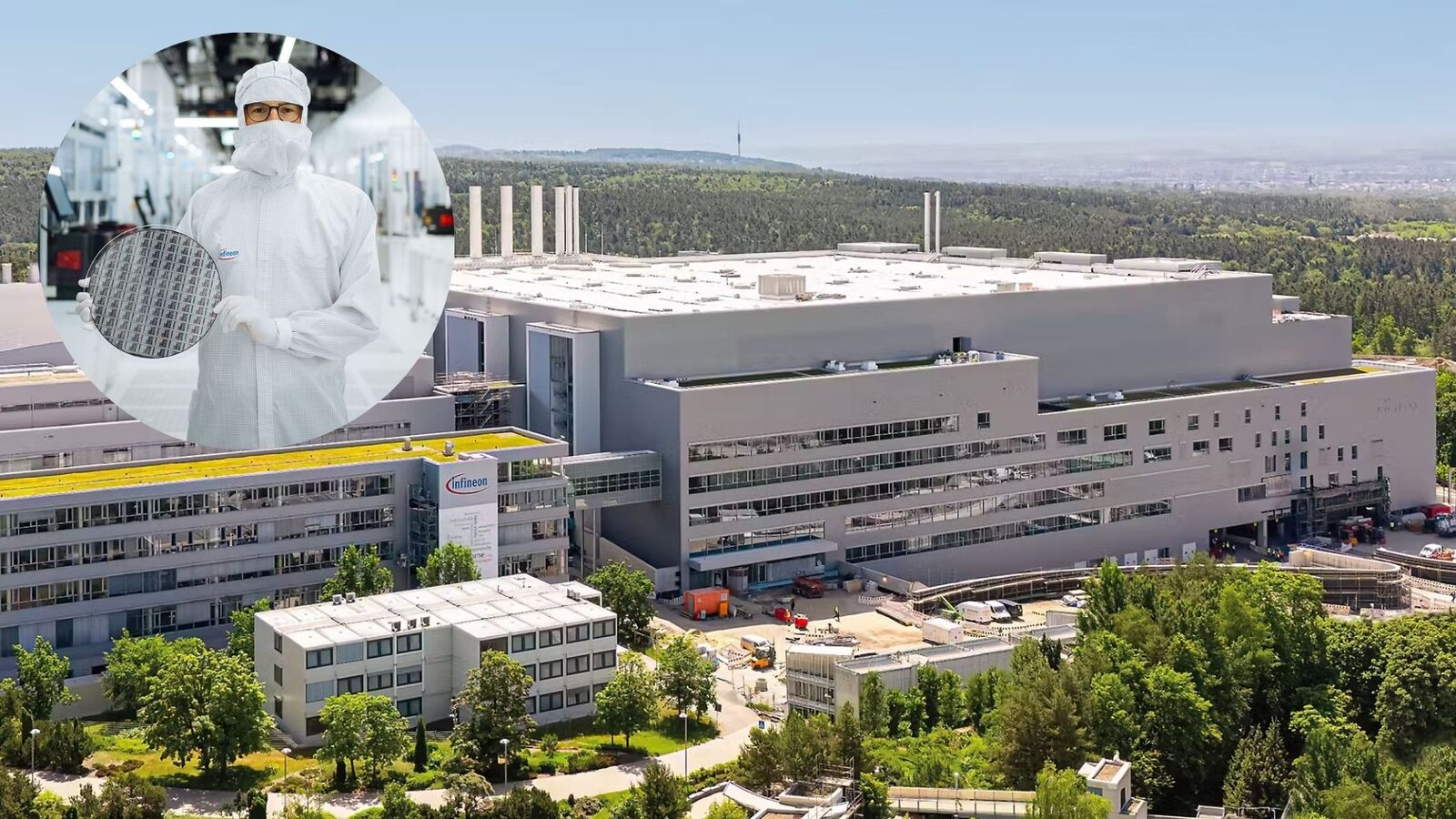
Germany Opens World’s Largest Smart Power Semiconductor Factory with €5 Billion Investment, Creating 1,000 Jobs and Doubling Capacity for AI and Energy Needs

-
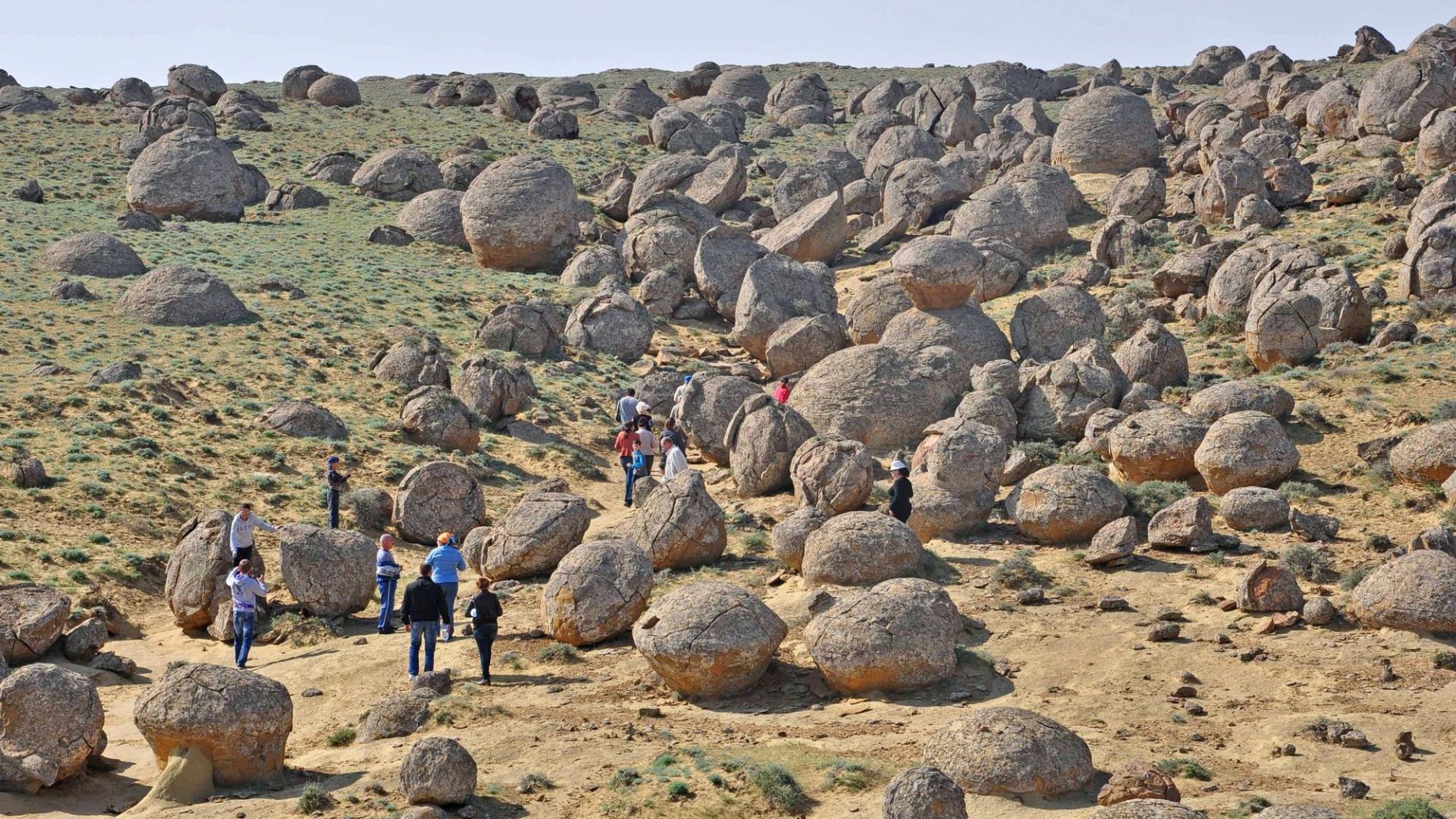
Kazakhstan’s Torysh Valley Holds Thousands of Giant Stone Spheres, Intriguing Scientists with Ancient Oceanic “Cannonballs”

-
Egypt Discovers 18 Ancient Tombs with Gold Tongues, Unveiling Unusual Funeral Rituals and Amulets Believed to Give Voice to the Dead

-
Nigeria Dumps 120 Million Tons of Sand into Atlantic to Build Massive City with 8.4 km Sea Wall for Protection Against Ocean Waves and Erosion


The combination of these techniques allowed for the examination of more than 6,000 molecular features present in the samples, something impossible to do manually. The goal was to identify biological patterns associated with sleep deprivation.
Human biomarkers reveal changes caused by lack of sleep
The results showed that lack of rest causes significant changes in the metabolic profile of saliva.
According to the researchers, approximately 10% of the biomolecules analyzed showed changes after prolonged periods without sleep. Among thousands of molecules evaluated, 10 human biomarkers directly related to sleep deprivation were identified.
These human biomarkers function as a kind of biological signature of fatigue. Instead of relying solely on the person’s subjective perception, scientists were able to find measurable evidence of fatigue in the body.
For Thomas Kraemer, professor at the Institute of Forensic Medicine at UZH and one of the people responsible for the work, this is an important milestone for research seeking to detect states of drowsiness through objective biological indicators.
The impact of technology on traffic safety
Drowsiness at the wheel is recognized as a significant factor in traffic accidents worldwide. However, unlike alcohol, there is still no quick test capable of proving that a driver is sleep-deprived.
This is precisely where the new technology can make a difference.
The researchers were able to develop models capable of distinguishing sleep-deprived individuals from those who were rested. In some scenarios, the systems achieved levels of accuracy considered promising for initial research.
If future validations confirm the results, saliva analysis could contribute to:
- Reduction of accidents caused by fatigue;
- Monitoring of professional drivers;
- Risk assessment in freight transport;
- Increase in road safety.
The research itself cites that international legislation already recognizes extreme sleep deprivation as a risk factor similar to reckless driving in certain circumstances.


Workplace safety may gain a new layer of prevention
Besides roads, workplace safety can also benefit from this discovery.
Many professional activities require continuous attention over long periods. A simple mistake caused by fatigue can have serious consequences for workers, companies, and even the population.
Among the sectors that could use this technology are:
- Aviation;
- Healthcare;
- Heavy industry;
- Construction;
- Mining;
- Critical infrastructure operation.
In the future, using saliva as a monitoring tool would allow for the identification of early signs of fatigue before starting tasks considered critical.
In this way, workplace safety would no longer rely solely on the individual perception of the worker, but also on objective biological indicators.

Artificial intelligence expands the potential of saliva analysis
One of the most important differentiators of the research was the use of machine learning to interpret the obtained data.
The enormous amount of information generated by saliva analysis required the use of computational models capable of recognizing extremely complex patterns.
Scientists analyzed 6,035 robust molecular features present in the collected samples. Subsequently, the algorithms selected the most relevant indicators to distinguish sleep-deprived individuals from those who had rested normally.
According to the study, some models achieved areas under the ROC curve of up to 0.92, demonstrating that the combination of artificial intelligence, saliva, and human biomarkers can represent a promising approach for future practical applications.
The challenges that still need to be overcome
Despite the encouraging results, the authors themselves highlight that there are still important limitations.
The study was conducted only with young and healthy men, with an average age of 24 years. This means that it is not yet possible to generalize the results to the entire population.
The next steps should include broader and more varied groups, involving:
- Women;
- Shift workers;
- People with different health conditions;
- Medication users;
- Individuals exposed to alcohol or stimulants.
Furthermore, it will be necessary to identify exactly which molecules make up the most relevant human biomarkers and validate their effectiveness in real-life situations.
The path to transforming a scientific discovery into a real tool
The research from the University of Zurich demonstrates that saliva can provide valuable information about a person’s physiological state after prolonged periods without sleep. The identification of 10 human biomarkers associated with fatigue represents an important advancement in an area that still lacks objective assessment methods.
Although the technology is still in the experimental phase, the results indicate that future solutions based on saliva analysis could enhance both road safety and workplace safety. If validation studies confirm the current findings, saliva could become a strategic tool to prevent accidents, reduce operational risks, and help save lives in different sectors of society.