






 Portuguese
  Spanish


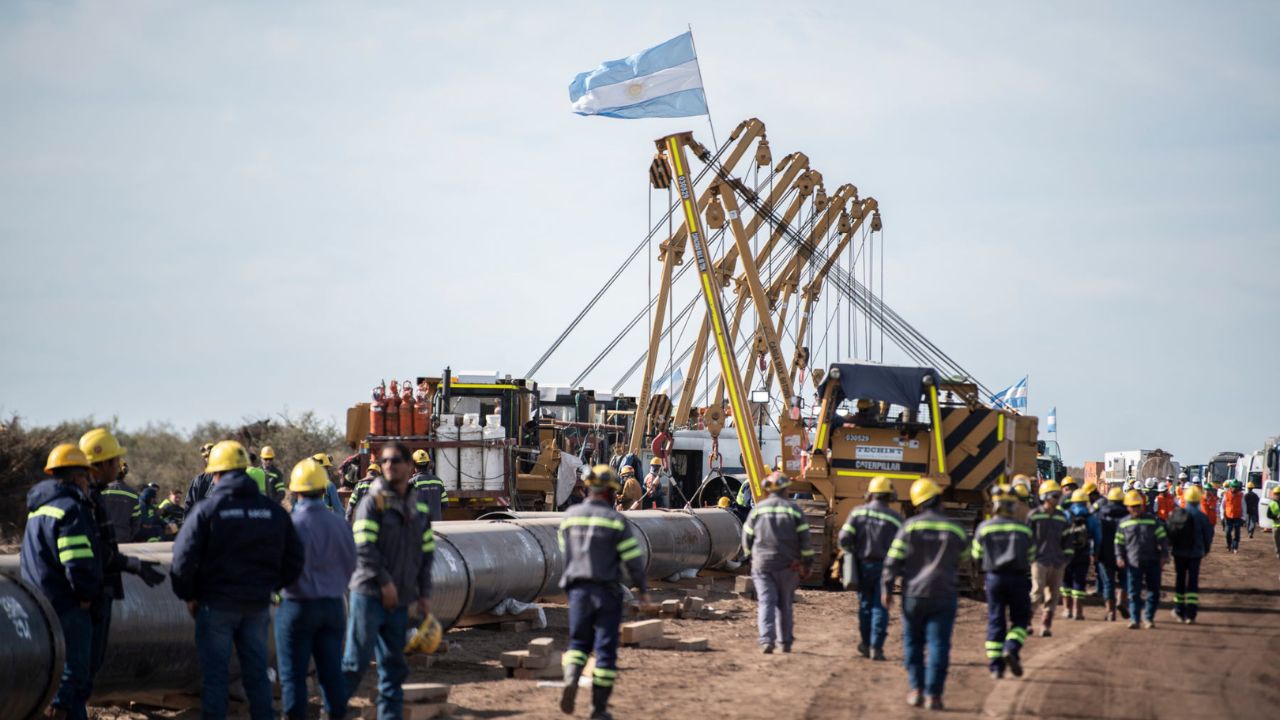

With Large Reserves And New LNG Projects, Argentina Aims To Become The Main Gas Exporter In South America And Compete On The Global Stage.
Argentina is intensifying its efforts to become the largest gas supplier in South America, while advancing toward a strategic position in the global LNG (Liquefied Natural Gas) market. With investments in infrastructure and partnerships with energy sector giants, the country aims to reach up to 270 million cubic meters per day of production by 2040, according to a report by consultancy Wood Mackenzie.
Currently, Argentine gas exports already reach countries like Chile, Uruguay, and Brazil, utilizing interconnected pipelines and routes made possible by Bolivian infrastructure. With the expected end of exports from Bolivia by the end of the decade, Argentina may assume a central role in the region’s energy supply.
Argentine Gas Exports Gain Momentum With LNG Projects
In addition to pipeline exports, Argentina is betting on the global LNG market to expand its international presence.
-
OPEC+ Boosts Oil Supply by 188,000 Barrels per Day in July 2026, Leading to Price Drop from $112 to $89 per Barrel in Under Two Months

-
TotalEnergies Signs 20-Year Deal to Purchase 2 Million Tons of LNG from Alaska, Boosting Project Viability
-
Turkey Deploys Çağrı Bey Drilling Ship to Explore New Oil Frontier Off Somalia’s Coast
-
Golden Pass LNG Ships First Liquefied Gas Cargo from the U.S., Completing $10 Billion QatarEnergy and ExxonMobil Investment


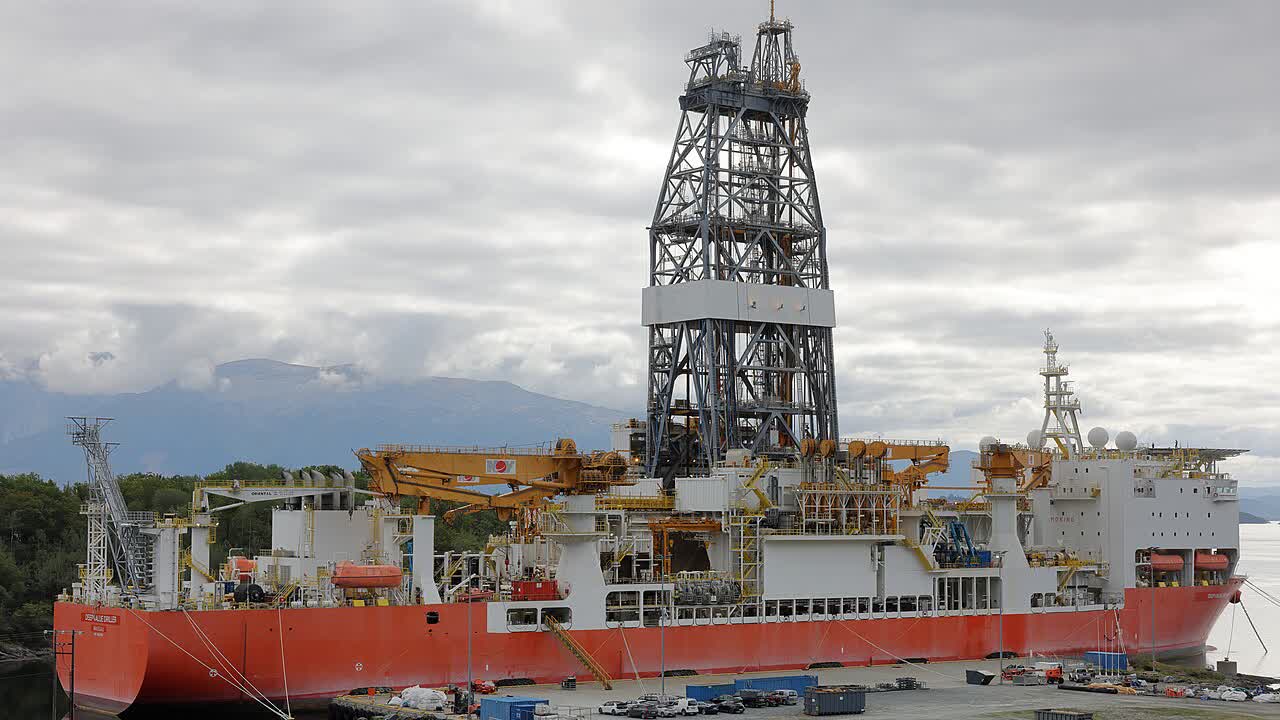

The country has already approved a floating liquefaction unit project with a capacity of 2.5 million tons per year (Mtpa).
Other initiatives are under review, including a 3.5 Mtpa unit led by the Southern Energy consortium, which includes companies such as Pan American Energy, YPF, Harbour Energy, Golar, and Pampa.
There are also agreements signed with Shell for a 10 Mtpa project, and with the Italian ENI, aiming for a 12 Mtpa unit.
If all the plans come to fruition, LNG exports could reach 28 Mtpa by 2035.
Argentine Gas Is Expected To Supply Brazil With A New Route
One of the most promising strategies to expand gas exports from Argentina is the construction of a pipeline branch between Uruguaiana and Porto Alegre, allowing a direct connection to the Brazilian system.
This would reduce dependence on Bolivian infrastructure and solidify Argentina as a long-term regional supplier.
According to Javier Toro, senior manager at Wood Mackenzie, “with the anticipated end of exports from Bolivia by the end of this decade, Argentina is strategically positioned to become the main regional supplier.”
Billion-Dollar Investments Will Be Necessary To Make Plans Viable
Despite the potential, the advancement of gas exports depends on heavy investments in infrastructure.
Wood Mackenzie estimates that over US$ 10 billion will be needed, half for pipelines and the other half for liquefaction units and production expansion.
“The export potential of Argentina is impressive, but its realization will require more than US$ 5 billion in infrastructure investments and possibly another US$ 5 billion to fully develop its LNG export goals,” emphasized Toro.
Beyond infrastructure, Argentina faces challenges regarding regulation and legal predictability. Creating a favorable environment for long-term investment will be essential to attract foreign capital.
Toro adds: “Regulatory stability and investor guarantees through the RIGI regime will be vital to making financing viable.”
He also warns that the country will need to compete with lower-cost LNG suppliers, requiring a solid business strategy and competitive pricing to attract international buyers.
Argentina has a unique opportunity to lead gas exports in South America and gain ground in the global LNG market.
However, this ambition will only be achieved through planning, consistent investments, and a reliable regulatory framework.


