Portuguese
  Spanish


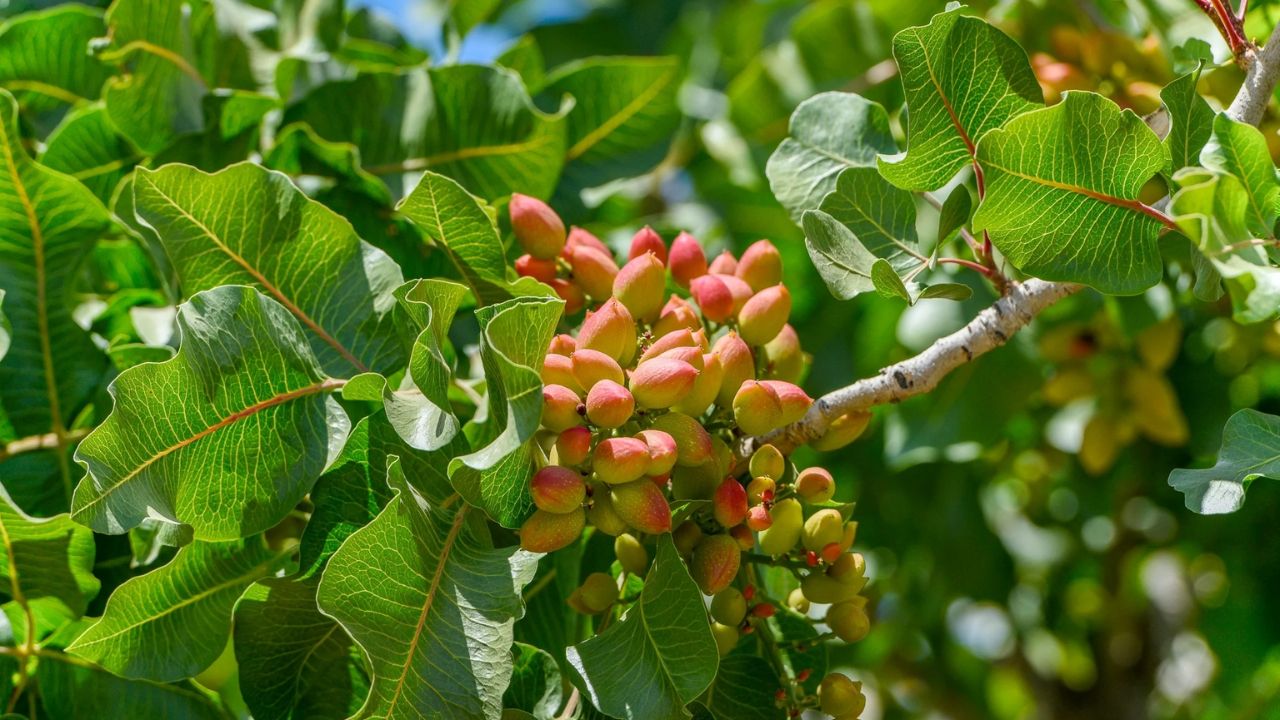

Argentina Bets on Pistachio by Expanding Planted Area Fivefold, Concentrating Crops in San Juan, and Taking Advantage of Heated Global Demand, TikTok Trend, and Agricultural Diversification to Compete in the International Market
The Argentina bets on pistachio as a new frontier for agribusiness growth. In just five years, the area planted with the oilseed has grown fivefold, driven by favorable weather, changes in production profile, and strong global demand.
This movement gained even more momentum with the popularization of pistachio on social media. Argentina bets on pistachio as it realizes that the combination of consumption trends, exports, and replacement of traditional crops can transform entire regions, especially in the west of the country.
San Juan Leads the Expansion of Argentine Pistachio
The epicenter of this transformation is in the province of San Juan. Nestled in the Andes Mountains, the region has available land, water, and ideal climatic conditions for growing pistachio, such as hot and dry summers and cold winters.
-
Chinese Farmers Develop “Blanket Greenhouses” to Grow Vegetables in Extreme Winter Without Heaters

-
Centuries Before Modern Greenhouses, English Gardeners Used Horse Manure to Grow Pineapples in Cold Climates

-
Sugarcane Cultivation in India: A Symbol of Water Stress and Environmental Strain Amidst Global Demand for Sugar and Green Fuel
-
Innovative Farm in Northeastern Brazil Combats Drought with Advanced Techniques, Aiming for 10,000 Liters of Milk Daily Production



Today, most of the approximately 10,000 hectares planted in the country are concentrated in San Juan. The crop already ranks third in area cultivated in the province, behind only vineyards and olive groves.
Cultivated Area Grows Fivefold in a Few Years
According to sector data, the area planted with pistachio in Argentina has quintupled in the last five years. This accelerated growth reflects a strategic shift in the Argentine countryside in response to new markets and the decline in global wine consumption.
Producers have begun replacing vineyards with pistachio, almonds, and walnuts, seeking more profitable crops aligned with international demand.
Global Demand and TikTok Drive Consumption

The explosion of interest in pistachio did not come only from the traditional market. A viral trend on TikTok involving stuffed sweets, known as Dubai chocolate, helped boost global consumption of the oilseed.
Thus, Argentina bets on pistachio as it realizes that the product has moved from being a niche to occupying a central space in the food, confectionery, and premium snack industry.
Producers Aim for Exports and Large Markets
The stated goal of the producers is clear. Transform Argentina into a major exporter and compete with the United States, Iran, and Turkey, which are currently the leading producers of pistachio in the world.
There is confidence that the country can significantly expand its planted area. Sector estimates suggest potential to reach between 60,000 and up to 100,000 hectares cultivated between San Juan and Mendoza, provided there are adequate investment conditions.
Credit and Stability are Decisive for the Leap
Despite the optimism, progress depends on economic factors. Producers highlight that the main bottleneck is not technical, but financial and political.
The cultivation of pistachio requires high investments and long-term returns. The plant takes about seven years from planting to generate significant production, making accessible credit and economic predictability essential for new projects.
History of Pioneering and Initial Distrust
Pistachio is not completely new in Argentina. An Iranian immigrant initiated the first commercial plantation in the 1980s in San Juan, facing strong skepticism.
“They said I was crazy,” he reported. The disbelief became fuel for persistence, and today his company is growing rapidly, especially in the production of rootstocks, the seedlings used in forming orchards.
Seedling Production Accelerates and Sustains Expansion
The supply of rootstocks has become a key piece of the crop’s advancement. Since 2023, the annual production of these seedlings has more than doubled, with an expectation to reach 400,000 plants by the end of 2025.
This growth ensures supply for new farmers and reduces external dependence, strengthening the entire production chain of Argentine pistachio.
Local Industry Diversifies with Pistachio
In addition to agricultural production, Argentine companies have started using pistachio in industrial products. Sweets, chocolates, and even traditional alfajores have begun to incorporate the oilseed.
This diversification adds value, generates jobs, and expands the internal market, reducing risks and strengthening the long-term strategy.
A Strategic Bet for the Future of the Countryside
The combination of favorable weather, changes in agricultural profile, heated global demand, and new consumption trends explains why Argentina bets on pistachio as a strategic crop.
If it can unlock credit, attract investments, and maintain stability, the country could move from being an emerging producer to becoming a global player in a few years.
Do you believe Argentina will succeed in transforming pistachio into a new pillar of agribusiness, or do long-term investments still scare producers and entrepreneurs?