Portuguese
  Spanish


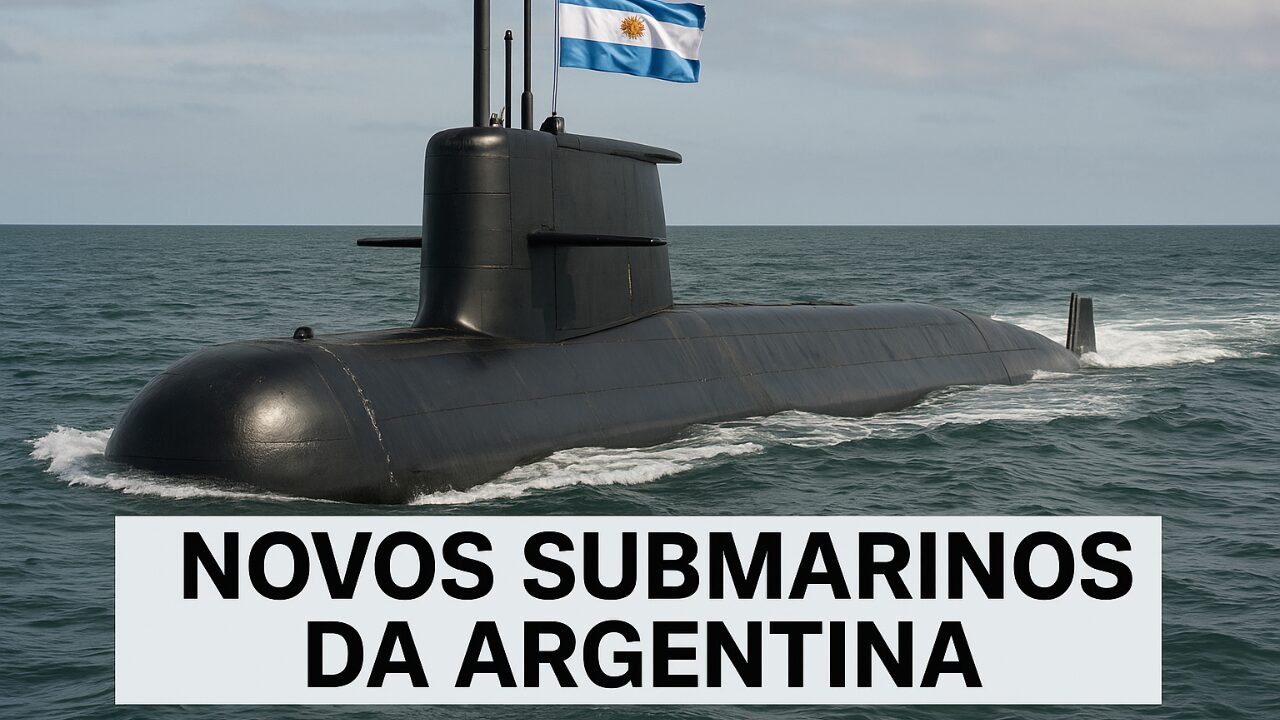

Argentina Analyzes Proposals from France and Germany to Restore Its Submarine Fleet, but Lack of Transparency in Negotiations Creates Uncertainty about the Future of the Navy.
In search of restoring its strategic presence in the South Atlantic, Argentina is studying proposals to rebuild its submarine capability, which is currently considered practically nonexistent. The Argentine Navy awaits concrete definitions from the Ministry of Defense, which is analyzing two international offers to acquire modern attack submarines, but the process still lacks transparency and effective progress.
Argentine Navy Seeks to Rescue Its Subsurface Force
After years of stagnation and the loss of the submarine ARA San Juan in 2017, the Argentine Navy has prioritized the rebuilding of its submarine force.
However, the recent Management Report No. 142, released by the Chief of Cabinet of the Minister, provided little clarification on the real progress of the negotiations, leaving gaps that create uncertainty within and outside the military sector.
-
North Korean Fiasco: Launch of the Largest Warship Ends in Sinking

-
While giant ships still burn heavy fuel and the maritime sector races against climate targets, Maersk and Vale are starting to bet on ethanol as a new route to reduce emissions at sea.

-
China begins construction of the world’s largest LNG ship, a 344-meter giant capable of supplying 4.7 million homes for a month, carrying 271,000 m³ of gas, and placing QatarEnergy in the largest naval order ever recorded in world history.
-
China is designing a container ship with a thorium nuclear reactor that will operate for 40 years without refueling, and the 25,000-container giant from Jiangnan Shipyard will cross oceans without emitting carbon in an industry that burns 300 million tons of fuel per year.



France and Germany Compete for Billion-Dollar Contract
Among the proposals under analysis, two stand out: that of the French group Naval Group, which offers Scorpène-class submarines, and that of the German company ThyssenKrupp Marine Systems (TKMS), with the Type 209NG model.

Both offers include the possibility of local construction, which would add value to the Argentine shipbuilding industry and foster jobs.
The German proposal gained special attention after the international press reported that the German government would be willing to guarantee up to US$ 4.27 billion to finance the sale, with deliveries expected over the next decade, according to documents sent to the German Budget Committee.
Response from the Argentine Government Raises Doubts
Despite ongoing negotiations, the official report does not mention either of the proposals directly.
When questioned by deputies about the plan to incorporate a new submarine into the Argentine Navy, the government limited itself to saying that it is “evaluating” alternatives, considering “technical, operational, financial, and strategic aspects,” in addition to possibilities for “international cooperation.”
This vague response, without direct mention of negotiations with Naval Group or TKMS, raises doubts about the pace of the decision-making process and about the government’s real willingness to commit to a long-term renewal of the fleet.
Used Submarines Still Considered
The absence of detailed information in the report also reopens speculation about the possible purchase of used submarines, retired from operation by other navies.
This scenario, already contemplated in previous analyses, raises concerns regarding the real modernization of the Argentine naval force and the operational effectiveness of the models that could be incorporated.
The recovery of submarine capability is vital for Argentina’s maritime sovereignty.
Without submarines in operation since the loss of ARA San Juan, the South American country has limited naval monitoring and projection, especially in economically significant areas such as the continental shelf and natural resource exploration zones.