Portuguese
  Spanish


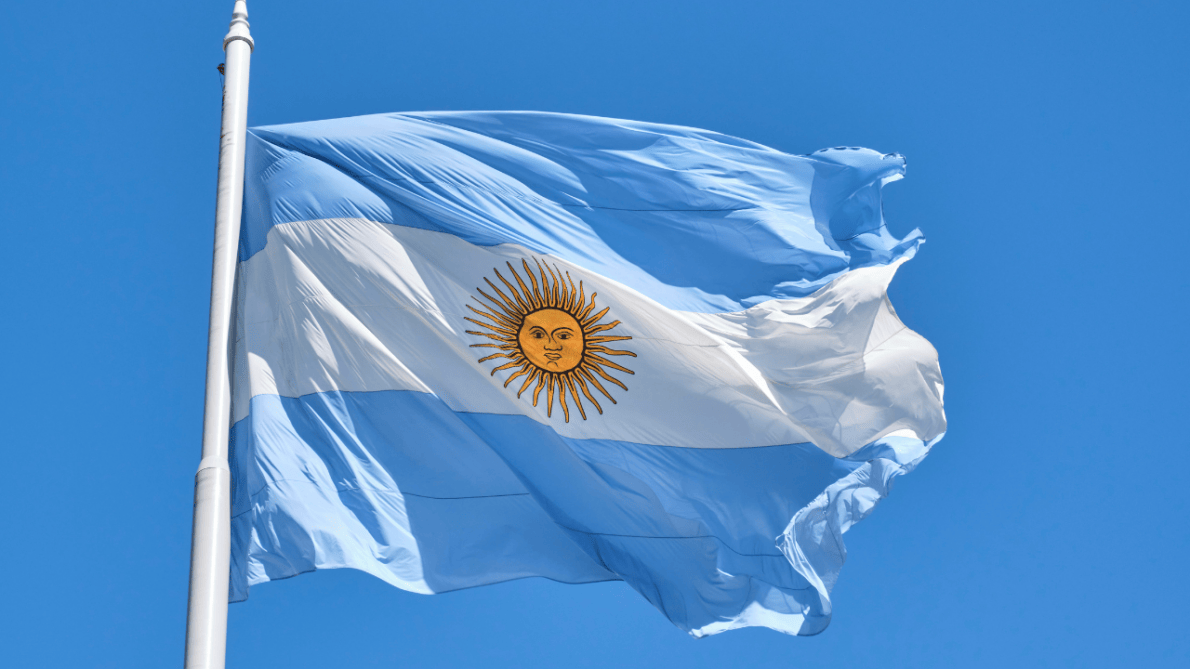

The End of the Exchange Cepo Promises Significant Changes in the Argentinian Economy and New Perspectives for Investors and Citizens.
Argentina experienced a Monday (14) of significant changes in the economic field. The most notable measure was the removal of exchange controls, popularly known as the “cepo,” following the approval of a new agreement with the International Monetary Fund (IMF).
This flexibilization of the fixed exchange rate system, which will now be adjusted to a band model, has generated many expectations about the impacts on the country’s economy. However, there are also doubts about the value of the dollar and the possible effects on domestic inflation.
What Was the Exchange Cepo and How Did It Impact the Economy
The exchange cepo was a series of restrictions imposed on Argentina’s foreign exchange market. For years, this measure was applied to contain the devaluation of the peso and control the outflow of foreign currency from the country.
-
U.S. Establishes Permanent Embassy in Jerusalem, Reigniting International Debate Over Israel’s Capital

-
The world has nearly 12,000 nuclear warheads, with the majority held by the United States and Russia; see the figures for China, France, and the United Kingdom.

-
Venezuela Faces UN Alert for Hunger, Disease, and Service Collapse After Earthquakes Cause Nearly 2,000 Deaths and $6.7 Billion in Damages

-
Brazil Deploys Navy Field Hospital with ICU, Orthopedics, Pediatrics to Earthquake-Stricken Area in Venezuela, Offering 30 Beds and 150 Daily Consultations


In its most recent version, implemented after the sharp devaluation of the peso in 2019, individuals were limited to purchasing only US$ 200 per month for saving, known as the “savings dollar.” Additionally, there was a 30% tax on this purchase.
The restriction also affected foreign trade, and companies faced various limitations when trying to transfer foreign currency abroad. In the financial market, the “cross-restriction” forced those buying dollars to wait 90 days for redemption.
Changes in the Argentinian Exchange System: The End of the Cepo
With the new measure, exchange restrictions have been practically eliminated. Now, citizens with pesos in bank accounts can purchase dollars without any limits, whether at bank branches or through digital platforms.
These dollars can be withdrawn physically or transferred to dollar savings accounts, or even sent abroad. However, the exchange of pesos for cash dollars remains limited to US$ 100, due to anti-money laundering controls.
New Exchange System
The floating exchange rate system goes into effect, with an exchange band established between 1,000 and 1,400 pesos per dollar. The Central Bank of Argentina may intervene in the market only if the dollar value exceeds these limits.
On Monday morning, the official dollar value rose to 1,250 pesos, a devaluation of nearly 15% compared to the previous Friday. Meanwhile, the “blue dollar,” the rate on the parallel market, was at 1,285 pesos, with a drop of 6.5% compared to last week.
Effects of the New Exchange Rate on Prices and Internal Economy
Experts predict that with the new exchange rate, internal prices will undergo some adjustments, particularly in products and services whose prices are influenced by the dollar exchange rate.
Streaming services, such as Netflix, Spotify, and Amazon Prime Video, are expected to see increases as the “card dollar,” used to pay for these subscriptions, will be affected by the new exchange policy.
An increase in utility bills for higher-income classes is also expected, as subsidies will only be maintained for the lower-income brackets. However, inflation, which is expected to reach 118% in 2024, should begin to decrease in 2025, with estimates of reduction to between 18% and 23%.
Economic Opening and Growth Expectation
Experts believe that the end of exchange controls eliminates one of the biggest barriers to Argentina’s economic integration with the world.
As a result, a greater influx of foreign capital is expected, increased investments in the productive sector, and consequently, greater job creation and economic growth.
IMF estimates are optimistic: the Argentinian economy, which contracted by 1.7% in 2024, could grow up to 5.5% in 2025. This new economic cycle is seen as an opportunity for reconstruction and stability, after years of uncertainty and restrictive policies.
With information from InfoMoney