






 Portuguese
  Spanish
  4 min of reading
  0 comments


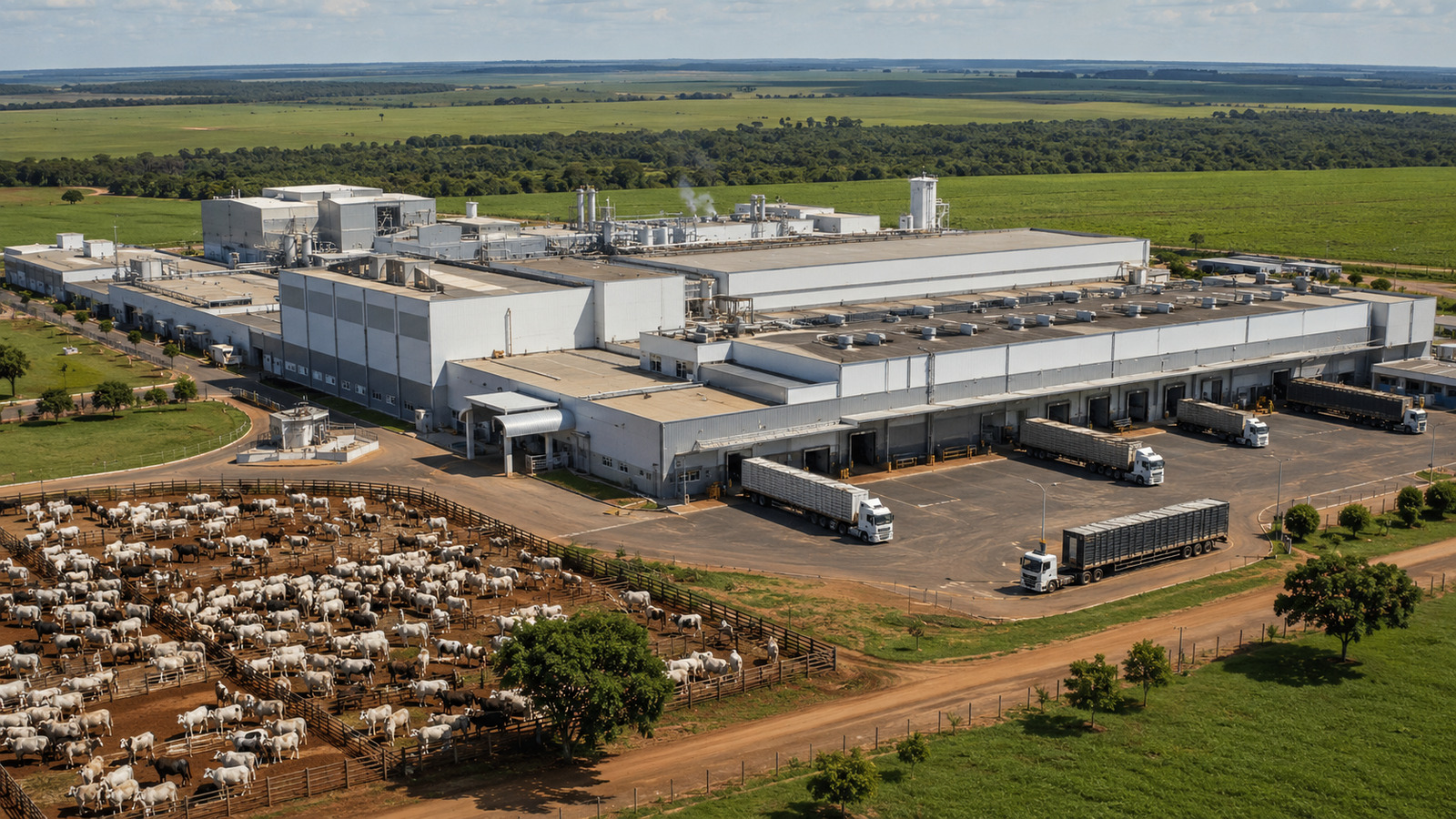
With the capacity to slaughter over 4,000 cattle per day, JBS unit in Naviraí boosts jobs, exports, and production chains in the Midwest, reinforcing Brazil’s weight in the global beef market
More than 4,000 cattle per day place the JBS slaughterhouse in Naviraí, Mato Grosso do Sul, among the largest plants in Latin America and at the center of Brazil’s strength in beef.
Largest slaughterhouse concentrates industrial scale
The operation in Naviraí holds a strategic position in Brazilian livestock farming and the global beef industry. The plant is frequently cited among the largest beef slaughterhouse structures in Latin America.
Brazil’s largest slaughterhouse combines slaughter, deboning, industrialization, and integrated logistics for export. This structure serves demanding markets, especially China, currently the main buyer of Brazilian beef protein.
-
Low-Demand Brazilian Beef Offal Gains Popularity Abroad: Indonesia Purchases $19.5 Million, Boosting Revenue and Reducing Waste

-
Soy Expansion in Former Brazilian Savanna Sparks Water and Land Conflicts in Major Agricultural Frontier
-
Mexican Pest Threatens U.S. Cattle Herds at Historic Lows, Potentially Boosting Brazilian Beef Exports as Burger Prices Soar

-
Avocado Boom for European and U.S. Markets Fuels Water Crisis in Drought-Stricken Chilean Region


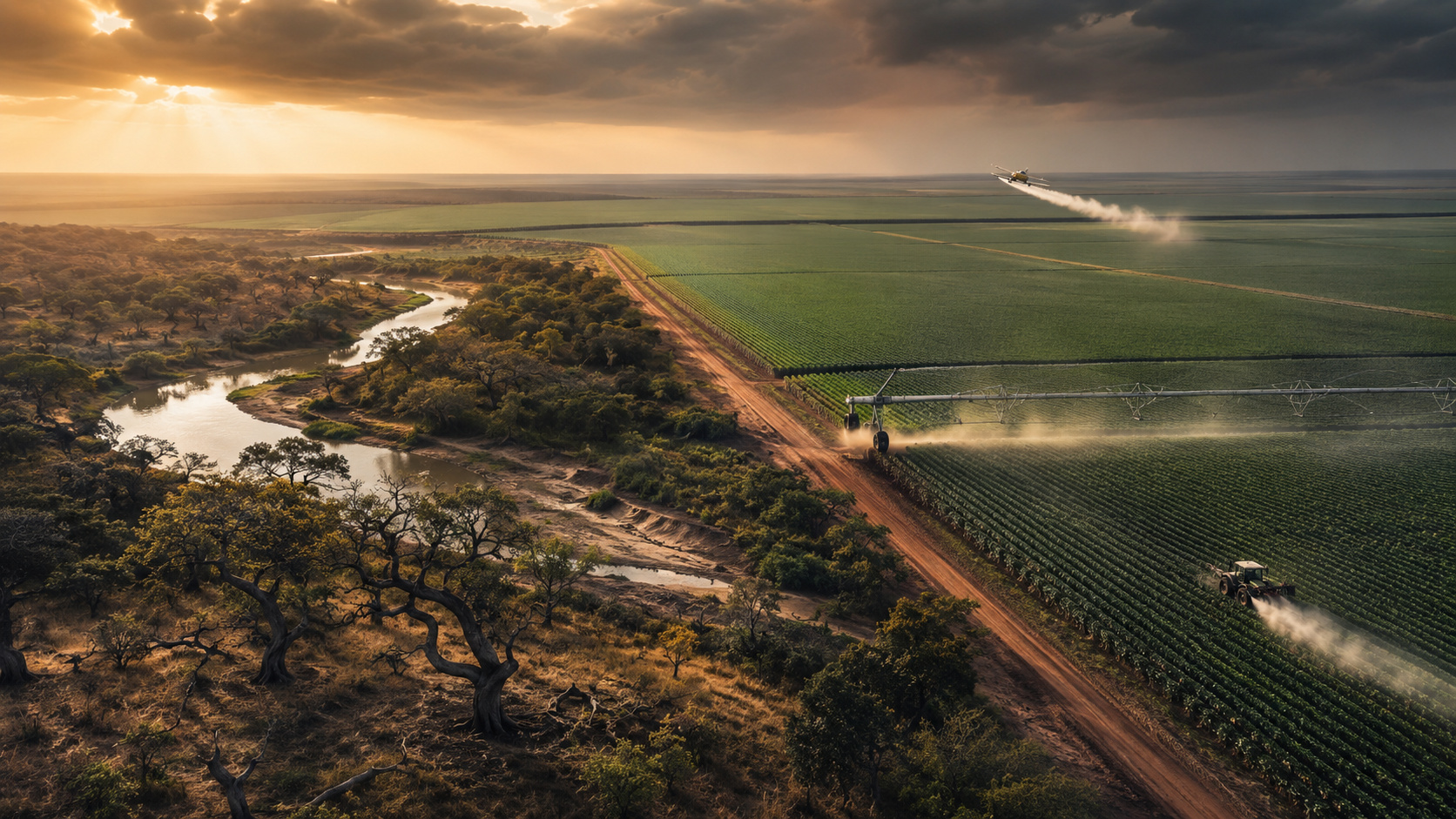


The daily capacity of over 4,000 cattle helps explain Brazil’s leadership in global exports. The unit functions almost like an industrial city dedicated to animal protein.
The operation generates thousands of direct and indirect jobs and boosts transportation, feedlots, grain production for animal nutrition, and services.


Midwest became the base for animal protein
The strength of large slaughterhouses is mainly concentrated in the Midwest. The region combines large herds, favorable logistics, and the expansion of intensive livestock farming, elements that support large-scale units.
Mato Grosso do Sul, Mato Grosso, and Goiás stand out in this structure. In these areas, giant slaughterhouses have transformed inland municipalities into strategic points of the national economy.
In Naviraí, the largest slaughterhouse reinforces Mato Grosso do Sul’s position within the national chain. Its location and integrated logistics enhance the city’s relevance in beef supply.
Mato Grosso gathers robust slaughterhouse operations
Mato Grosso concentrates some of the most strategic operations in the Brazilian slaughterhouse industry. The state, Brazil’s largest cattle producer, houses units of giants like Minerva Foods and JBS.
The plants are located in Barra do Garças, Tangará da Serra, and Pontes e Lacerda. A good part of these operations exceeds the mark of 2,000 cattle slaughtered per day.
These units operate integrated with the chain of feedlots, agriculture, and export. Proximity to the largest commercial herd ensures logistical efficiency and international competitiveness.
Mozarlândia symbolizes industrial livestock farming
In Goiás, the JBS plant in Mozarlândia has become one of the most relevant operations in the Midwest. The unit plays a decisive role in the outflow of cattle from the North and Midwest regions.
The slaughterhouse contributes to the advancement of Brazilian beef exports. With a strong industrial presence and thousands of jobs generated, it helped transform the regional economic dynamic.
Mozarlândia has consolidated itself as a symbol of Brazilian industrial livestock farming. The growth of intensive production, combined with investments in technology and logistics, increased the plant’s importance.

Exports sustain the sector’s advance
The expansion of slaughterhouses accompanies the growth of beef exports. Brazil remains one of the largest global suppliers of protein and serves various markets.
China remains the main destination for Brazilian beef and accounts for almost half of the volume exported by the country. This demand influences slaughter rates, the industrial pace of slaughterhouses, and cattle prices.
In 2025, Brazilian shipments totaled a historic record of 3.5 million tons and generated US$ 18.03 billion in revenue. Of this total, about 1.68 million tons went to the Chinese market.
Sales to China amounted to approximately US$ 8.9 billion. The data is from Secex, MDIC, compiled by the Brazilian Association of Meat Exporting Industries.
The largest plants operate under strict protocols to maintain international access. Food safety, sustainability, and the origin of beef production have gained importance in premium markets.
Sustainability increases pressure on slaughterhouses
Brazilian slaughterhouses face increasing pressure for traceability. The fight against illegal deforestation has become central to international demands on the production chain.
Large companies have accelerated investments in supplier monitoring, territorial intelligence, and livestock production traceability technologies. International demand for more transparent supply chains has strengthened this movement.
Discussions about traceability gained momentum with new trade barriers imposed by strategic markets, especially China. Proving the origin of production has become an essential part of competitiveness.
Even with the challenges, the Brazilian meatpacking industry remains one of the main economic drivers of national agribusiness.
The largest slaughterhouse and other mega-structures in the Midwest help consolidate Brazil as a global powerhouse in animal protein.
With information from Compre Rural.






-

-

3 people reacted to this.