Portuguese
  Spanish



After 6 Years Without Exporting Gas to the Brazilian Market, Argentina Returns
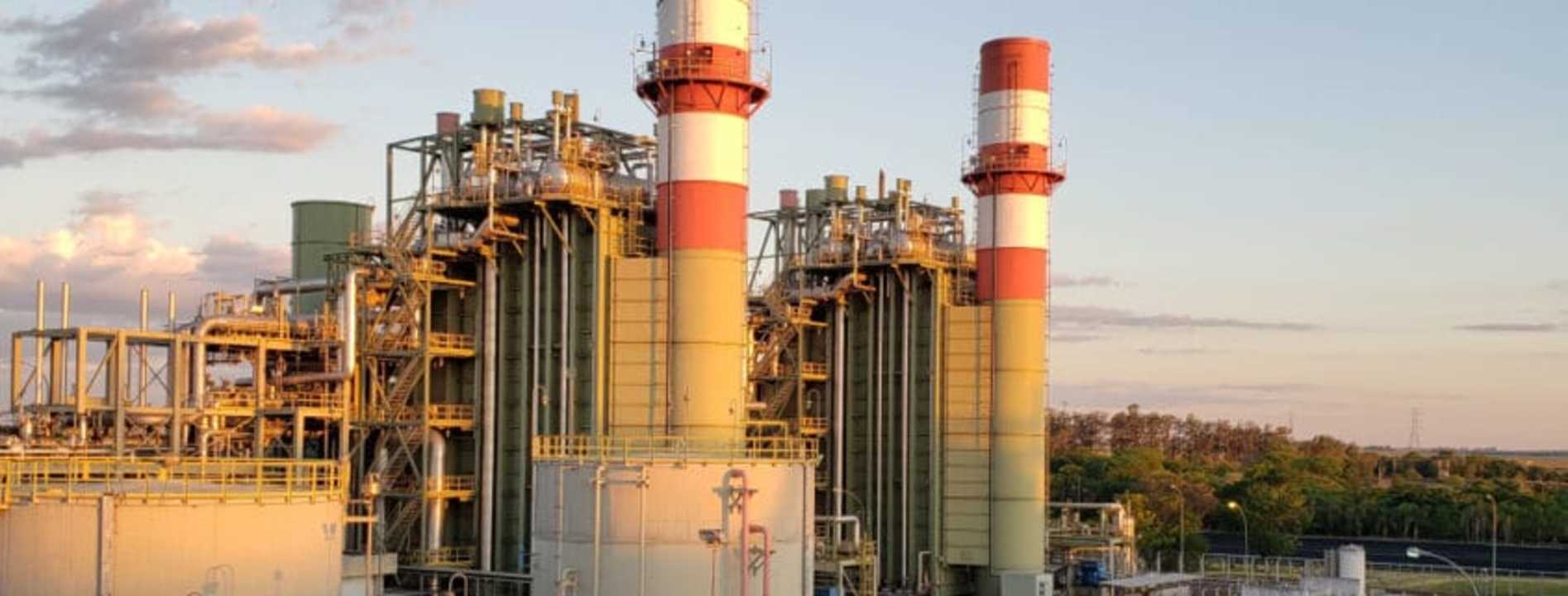
Argentina has already exported its first shipment of liquefied natural gas (LNG) and could have a surplus of 20 million cubic meters per day (m3/day) at certain times of the year [for export]. The easiest destination is to come to Brazil.
Also Read
Brazil-Argentina Relations
The Argentine government stated on Sunday (14) that it has resumed activities to export natural gas to the Brazilian market.
Greater integration between Brazil and Argentina in the natural gas market may be viable in the medium term, allowing the neighboring country to export the input to Brazil, particularly in the summer when Argentine gas consumption decreases but energy demand in Brazil increases.
-
Qantas and Airbus Invest in Company Aiming to Convert Unsorted Household Trash into Jet Fuel

-
Brazil’s ANP Opens 86 New Oil Blocks in the Equatorial Margin, Expanding the Amazon River Mouth Frontier

-
OPEC+ Boosts Oil Supply by 188,000 Barrels per Day in July 2026, Leading to Price Drop from $112 to $89 per Barrel in Under Two Months

-
TotalEnergies Signs 20-Year Deal to Purchase 2 Million Tons of LNG from Alaska, Boosting Project Viability


According to the superintendent of natural gas and biofuels at the Energy Research Company (EPE), Giovani Machado, discussions are ongoing between Argentines and Brazilians to conduct a study similar to what was done in the past with Bolivia, aiming to develop a more robust gas market between the two countries.
Government Bets on New Gas Law
The New Gas Law consolidates the necessary advancements for the formation of an open, dynamic, and competitive natural gas market, promoting conditions for price reduction and thereby contributing to the country’s economic recovery.
The competition generated will promote the recovery of the national industry’s competitiveness, especially in the segments of pulp, fertilizers, petrochemicals, steel, glass, and ceramics, in addition to relevant impacts on agribusiness, generating more jobs and income for Brazilians.
According to the Argentine government, each day of plant operation can result in an influx of US$ 500,000 for the neighboring country. However, the export is provisional. Argentina is waiting for the process to be consolidated after winter, when the “Gas Plan” will ensure the country’s self-sufficiency in gas usage. Then, the country expects to carry out steady (uninterrupted) exports to Brazil, Chile, and Uruguay.