Portuguese
  Spanish


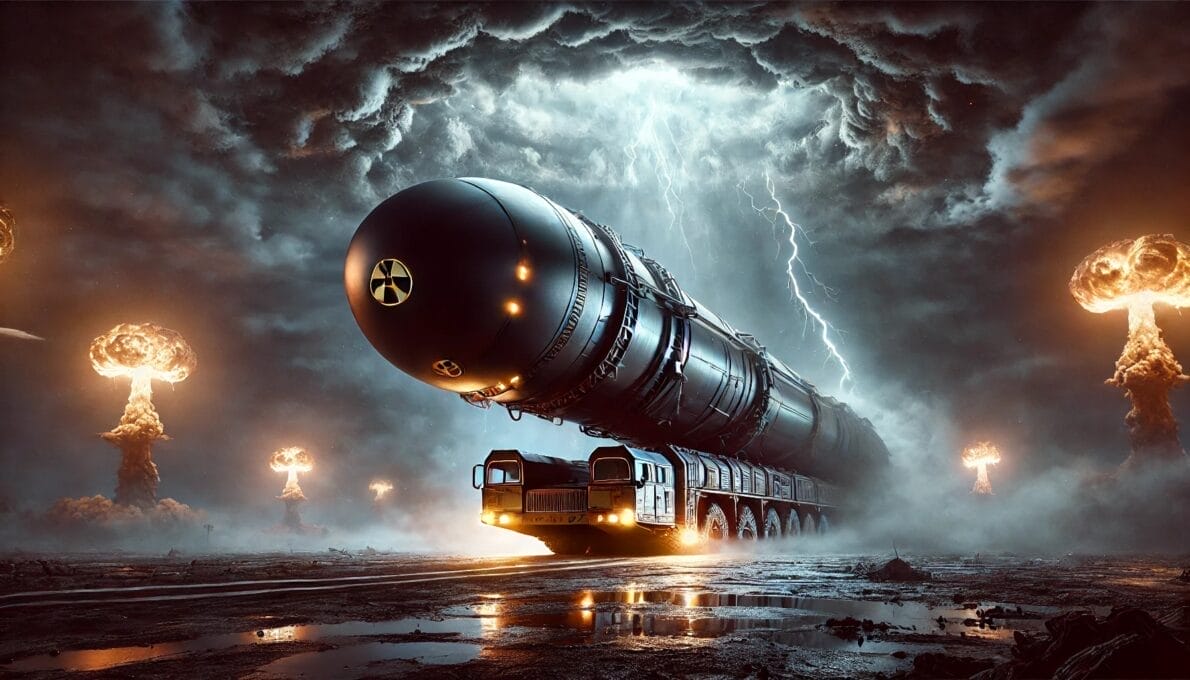

Considered the Most Lethal in the World, Russia’s New Nuclear Weapon, ‘Satan II’, Can Carry Up to 16 Nuclear Warheads, Capable of Devastating Multiple Targets Simultaneously.
The international war scenario has gained new prominence with Russia’s recent attempt to launch its most powerful nuclear weapon, the RS-28 Sarmat, better known as “Satan II”. Satellite images released in September raised global concerns about the Russian arsenal, revealing a test that apparently resulted in failure, but still underscored the destructive capabilities of this new nuclear weapon from Russia.
What Is Russia’s ‘Satan II’?
The Satan II is an intercontinental ballistic missile that, in simple terms, is one of the largest and deadliest ever built. At an impressive 35 meters long, this new nuclear weapon from Russia can carry up to 16 nuclear warheads, which gives it unprecedented destructive power.


The missile was created to replace the RS-20V Voevoda, a weapon developed during the Cold War. Although it was first revealed in 2014, its production and launch faced several delays. In October 2023, Russian President Vladimir Putin announced that the RS-28 was practically ready to be deployed in combat, stating that only “administrative procedures” were needed for it to enter operation.
-
European Parliament Approves Digital Euro, Aiming to Challenge Visa and Mastercard’s Dominance and Transform Payments Across Europe by 2029

-
Israel finds Hezbollah militarized tunnel over 200 meters long under village, with 4 missile launch shafts, 12 chambers, anti-tank missiles, drones, and weapons depots at a depth of 25 meters.

-
Ukraine launches largest drone attack on Moscow since 2022, Russia claims to have intercepted nearly 200 aircraft near the capital, Kapotnya refinery targeted again, and offensive reignites alert about war reaching the Russian energy heart just a few kilometers from the Kremlin.

-
Truck drivers, freight, and fines from 2022 take center stage in politics: Chamber approves MP with amnesty, mandatory tracking by CIOT, million-dollar penalties, and new minimum wage for those who spend more than 24 hours on the road.

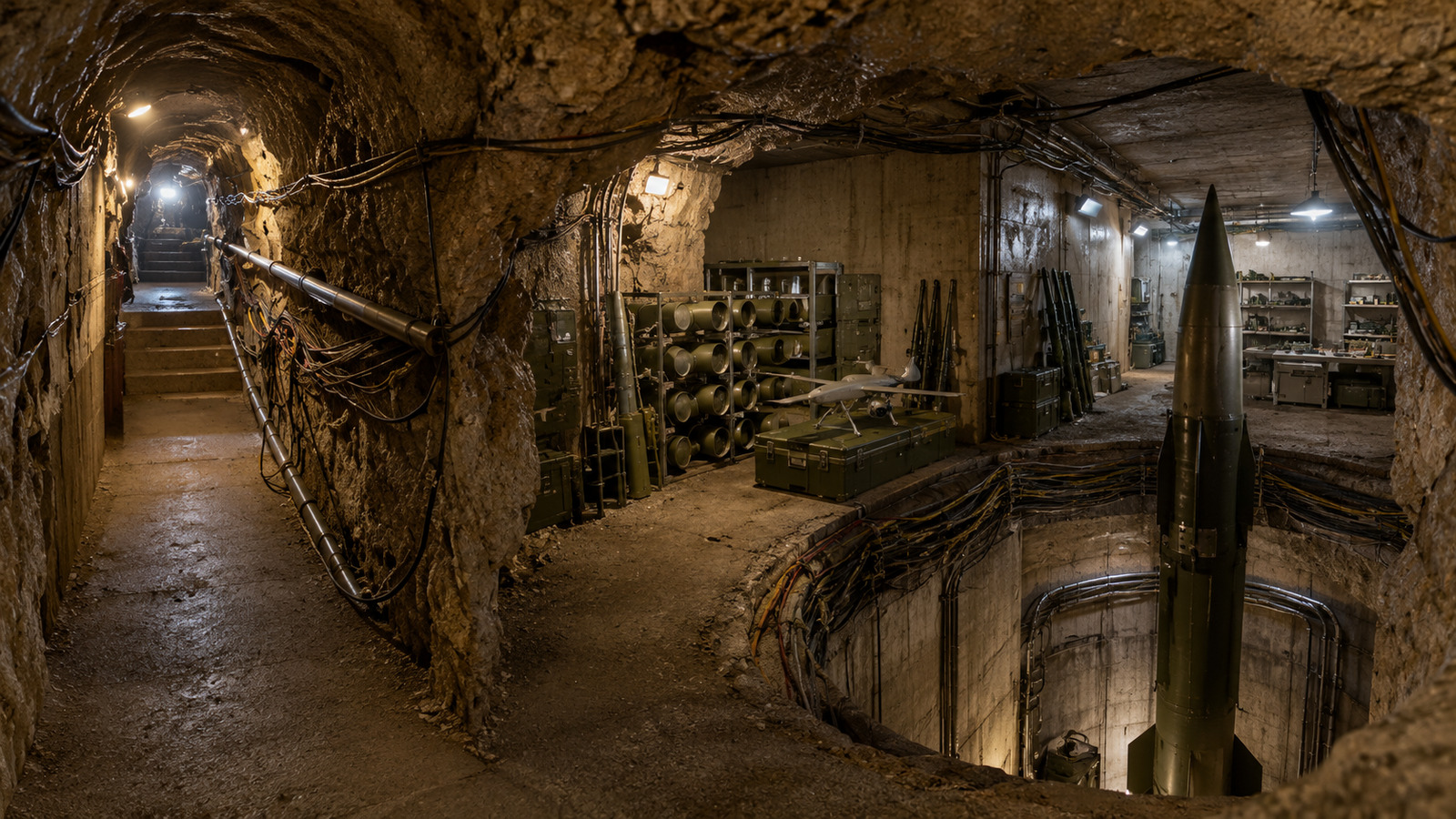


The Destructive Capabilities of Russia’s New Nuclear Weapon
One of the biggest concerns regarding Russia’s ‘Satan II’ is its range and power. The missile has an estimated range of 18,000 km, meaning it can hit almost any point on the planet. Its destructive power is amplified by the ability to carry up to 16 nuclear warheads, making it a weapon capable of causing devastation in multiple locations simultaneously.
Russian military experts do not hesitate to call the Satan II the “most lethal nuclear weapon in the world”. And it is not without reason. The impact of such a missile in a conflict scenario would be devastating not only for the target but for global stability as a whole.
Failures and Successes in the ‘Satan II’ Test
Despite Putin’s statements about the readiness of the RS-28, the situation does not seem so simple. A recent test conducted at the Plesetsk base in northern Russia ended in an apparent failure. Satellite images show a giant crater at the launch site, raising doubts about the missile’s effectiveness. If confirmed, this would be the fourth failed test of the weapon, with the only successful launch of the Satan II occurring in April 2022.

These failures in the development of Russia’s new nuclear weapon raise questions about the real state of the Russian military modernization program, which is an essential part of Vladimir Putin’s strategy. Despite the challenges faced, the Russian president continues to assert that the missile will be deployed soon, suggesting that mass production is underway.
The Political and Strategic Context of Russia’s New Nuclear Weapon
The creation and potential deployment of Russia’s ‘Satan II’ occur at a delicate moment in international relations, especially concerning nuclear issues. Putin has stated that the RS-28 serves as a response to the actions of the United States, which, although they signed the Comprehensive Nuclear-Test-Ban Treaty, have never ratified it.
In November 2023, Russia withdrew its own ratification of the treaty, an action Putin said reflects the position of the United States. This move by Russia, combined with the development of the Satan II, demonstrates an escalation in global nuclear tensions. With several nuclear powers around the world still refusing to sign or ratify the treaty, it is clear that nuclear weapons testing will continue, intensifying the climate of uncertainty and concern.
The Future of Russia’s Nuclear Weapon
The introduction of the Satan II is viewed as a milestone in Russia’s military strategy. According to Matt Korda, a researcher at the Stockholm International Peace Research Institute (SIPRI), the deployment of this missile would be “politically significant” for Vladimir Putin, especially at a time when Russia seeks to reaffirm its position as one of the world’s major military powers.
Satellite images also show that Russia is accelerating preparations for the deployment of the Satan II at various bases. The first regiment of the 62nd Missile Division in southern Siberia is already in advanced construction stages, and other deployment sites are expected to follow soon.
The Global Impact of the ‘Satan II’
The arrival of Russia’s ‘Satan II’ brings profound implications for the global balance of power. The missile is one of the most advanced weapons ever developed, capable of drastically changing the dynamics of any nuclear conflict. Its immense firepower and ability to evade missile defense systems make this nuclear weapon a fundamental component of Russian deterrence.
The development of the Satan II may lead other nuclear powers, such as the United States and China, to intensify their own weapons modernization programs. This may, in turn, trigger a new arms race, similar to that observed during the Cold War.