Portuguese
  Spanish


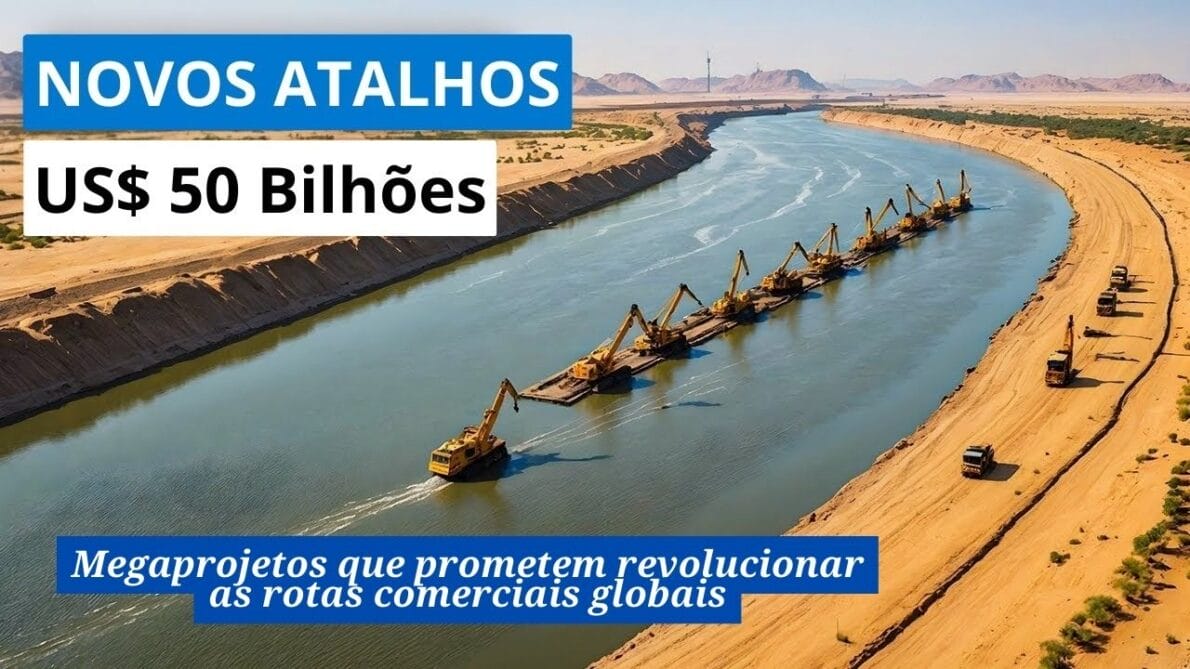

Three Countries Compete in Megaprojects That Promise to Revolutionize Global Trade Routes, New International Trade Center, Transforming Maritime Transport and World Trade.
Prepare for a race like never seen before! The Corridor Wars are in full swing and believe me, the impact will be global. The competition between Iraq, Thailand, and India for a new international trade center could completely change the routes that keep the world connected. And the construction of one of the largest ports in the world is just the tip of the iceberg.
With Thailand creating a shortcut to bypass the Strait of Malacca, Iraq seeking a new route to Europe, and India strengthening ties with the Middle East, global trade may be about to enter a new and exciting chapter. But what does this mean for the future of trade routes?
New International Trade Center
The three corridor projects are already underway and it’s not just a simple logistical restructuring. Thailand, for example, is heavily investing in a $35 billion land bridge to save days of navigation. The focus is on a shortcut that promises to alleviate the Strait of Malacca, one of the world’s most congested routes.
-
Why can the crane operator only obey the correct signalman on the construction site: among dozens of workers, a hand raised by the wrong person can confuse the maneuver and turn a load of tons into an immediate risk.

-
What changes with the new public transportation rules that can reduce pressure on fares and pave the way for zero fare in Brazil?
-
Argentina confirms Belgian giant to lead strategic Paraná River waterway and promises to reduce logistical costs on one of South America’s most important routes
-
MBRF surprises the logistics sector by demonstrating how Artificial Intelligence can directly influence deliveries throughout Brazil by reorganizing distribution routes in seconds, optimizing fleet usage, reducing logistics costs, and speeding up product arrivals even in the face of unforeseen road incidents.
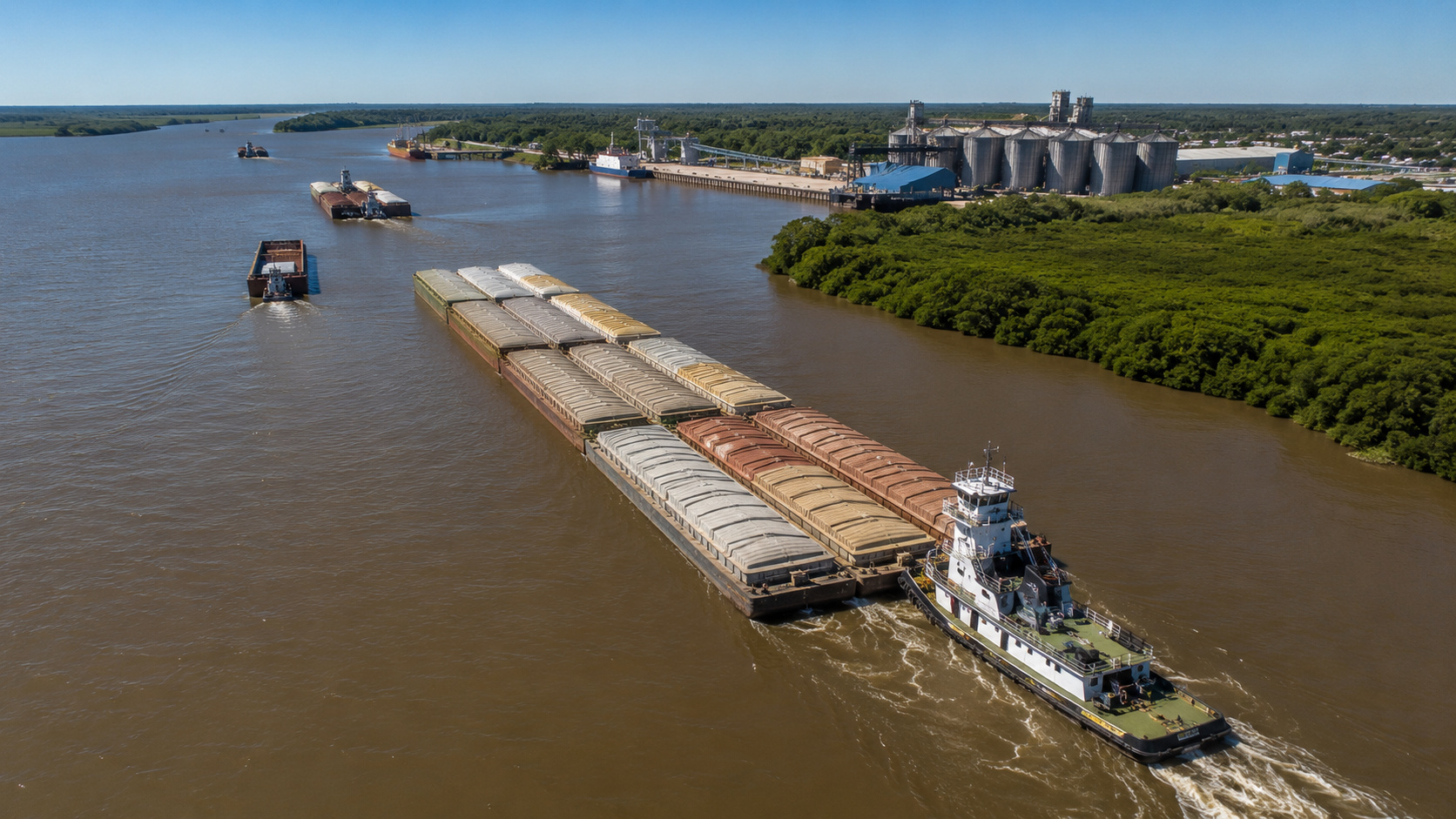
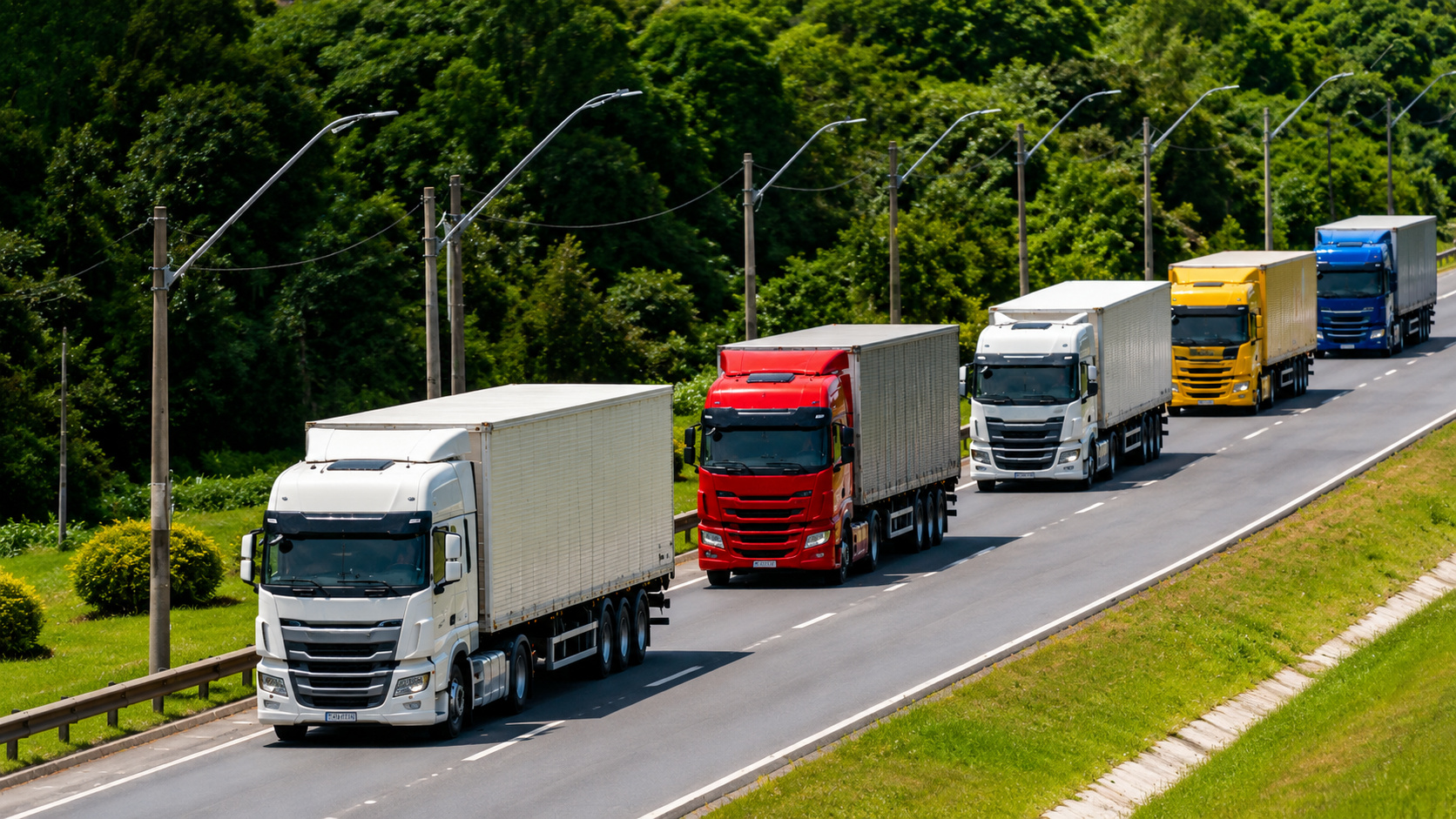
The construction of two new deep-water ports, part of this plan, is crucial for transforming Thailand into a new international trade center. Once completed, these ports could handle 20 million containers per year, creating up to 100,000 jobs in the region.
New India-Middle East-Europe Economic Corridor
India, on the other hand, has an equally ambitious proposal. The new India-Middle East-Europe Economic Corridor (IMEC) aims not only to reduce dependence on traditional routes like the Suez Canal but also to strengthen India’s position as an economic powerhouse.
It is estimated that the corridor will save 6 to 9 days of navigation, linking Indian ports to Europe via the Middle East. One of the highlights of the project is the use of green technology and renewable energy, especially green hydrogen, which is set to revolutionize maritime transport in the region.
Construction of One of the Largest Ports in the World in the Persian Gulf
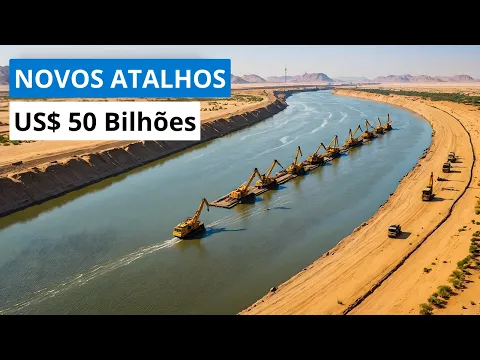

Iraq, in turn, seeks to compete with the Suez Canal through the construction of one of the largest ports in the world in the Persian Gulf. The project, called the “New Iraqi Corridor”, also includes roads and railways that will link Iraq to Europe, passing through Turkey.
With a cost of $17 billion, the plan aims to transport up to 22 million tons of cargo per year. This corridor promises to be a game changer for the Iraqi economy, creating 100,000 new jobs and generating $4 billion annually.
Despite challenges such as rising geopolitical tensions and the threat of piracy in Southeast Asia, the three countries are determined to redefine global trade. And with major investors keeping an eye on the projects, it’s only a matter of time before we see which country will become the new epicenter of global maritime transport.
Will Thailand be able to turn its megaproject into an essential trade route, or will Iraq and India take the lead in developing the new international trade center?