Portuguese
  Spanish


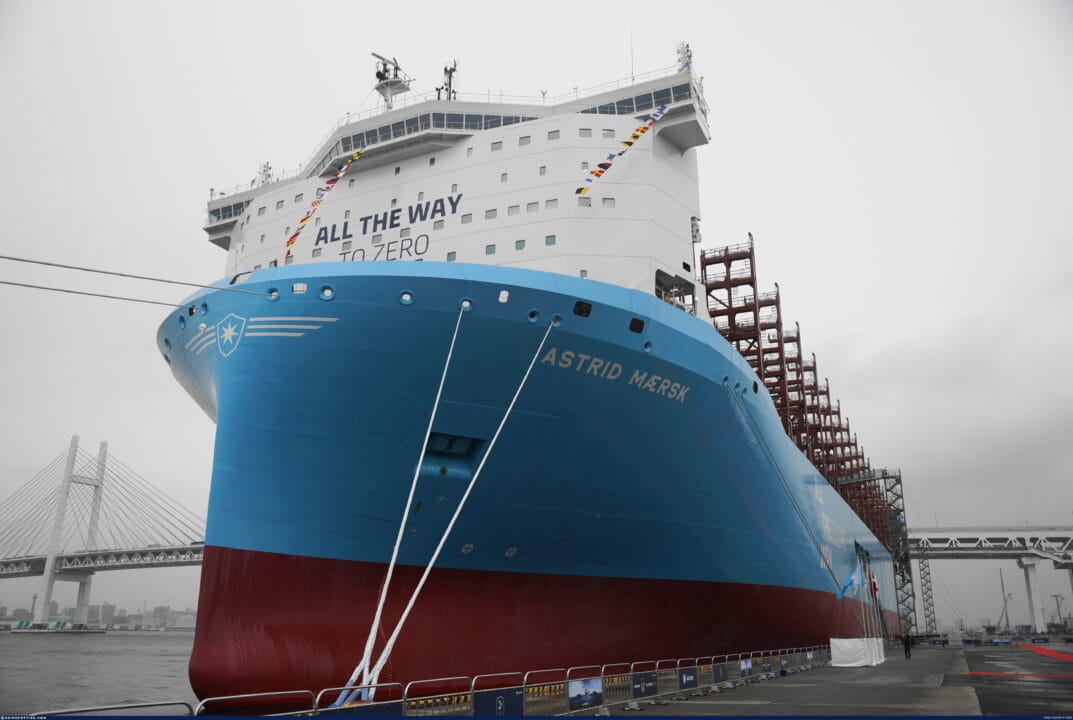

Maersk Launched The Second Container Ship Powered By Methanol In The World In Yokohama, Japan. The Astrid Maersk Is Part Of An Order For 18 Ships, Boosting The Transition To A More Sustainable Maritime Industry.
At a ceremony held in Yokohama, Japan, Maersk took another step toward its vision of a more sustainable industry by naming the second large container ship powered by methanol in the world. According to information released by the company last Wednesday (04/10), the ship was named Astrid Maersk. In addition to being the second of an order for 18 vessels of this type, it marks a significant milestone for the Danish company.
The Launch of The Astrid Maersk
With a scheduled delivery between 2024 and 2025, the new fleet of ships represents not only an expansion of Maersk’s capabilities but also a step toward decarbonizing maritime transport.
These ships have the potential to sail on green methanol, a fuel that offers a cleaner alternative to traditional fossil fuels, representing a breakthrough in the energy transition of the sector.
-
Petrobras Secures $2.2 Billion Contract to Build and Operate Four Support Vessels for Brazil’s Offshore Oil Fields

-
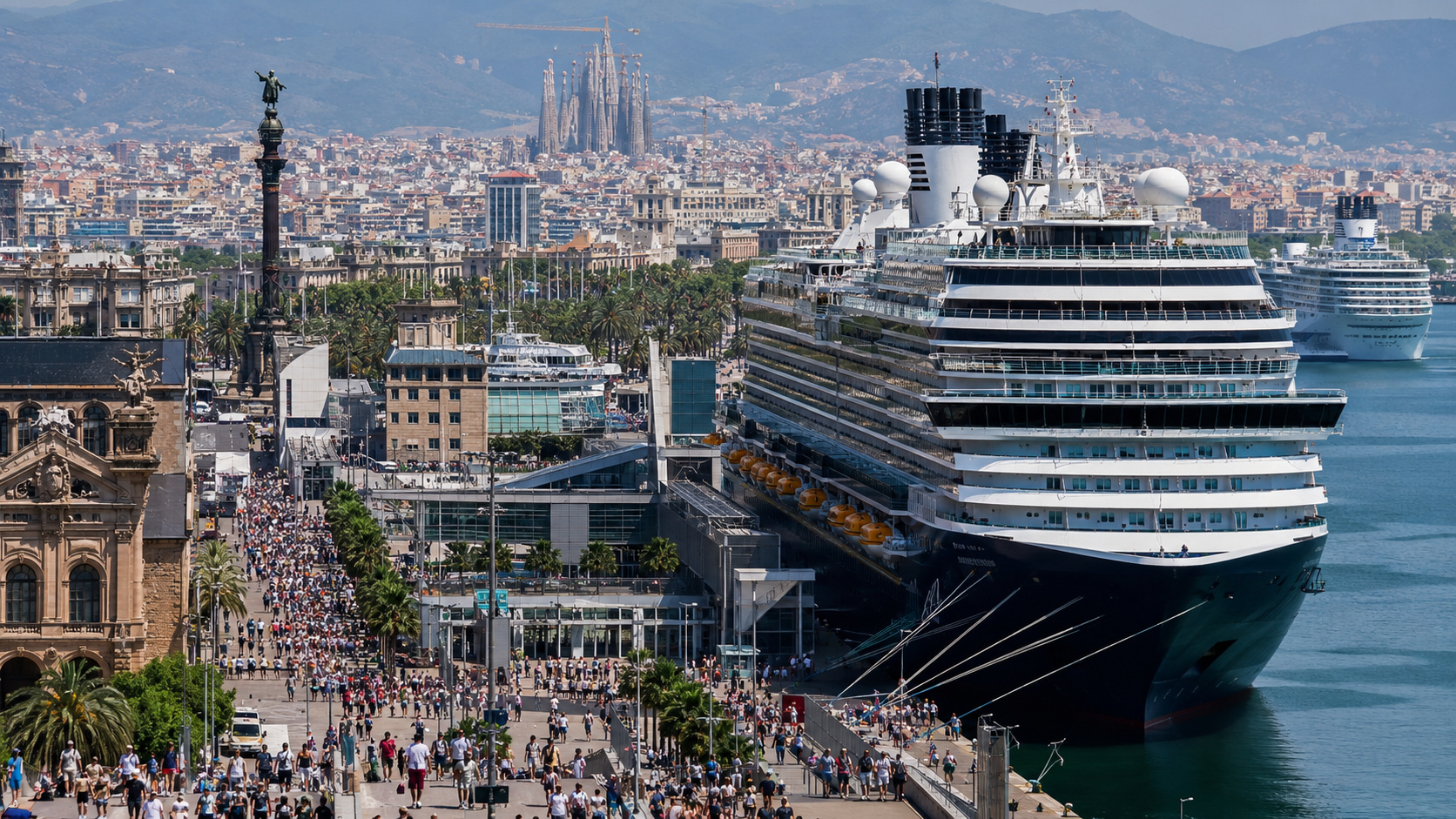
While many ports want to grow, Barcelona has decided to do the opposite and will cut cruise terminals from 7 to 5 after pressure from residents, protests, and crowds.

-
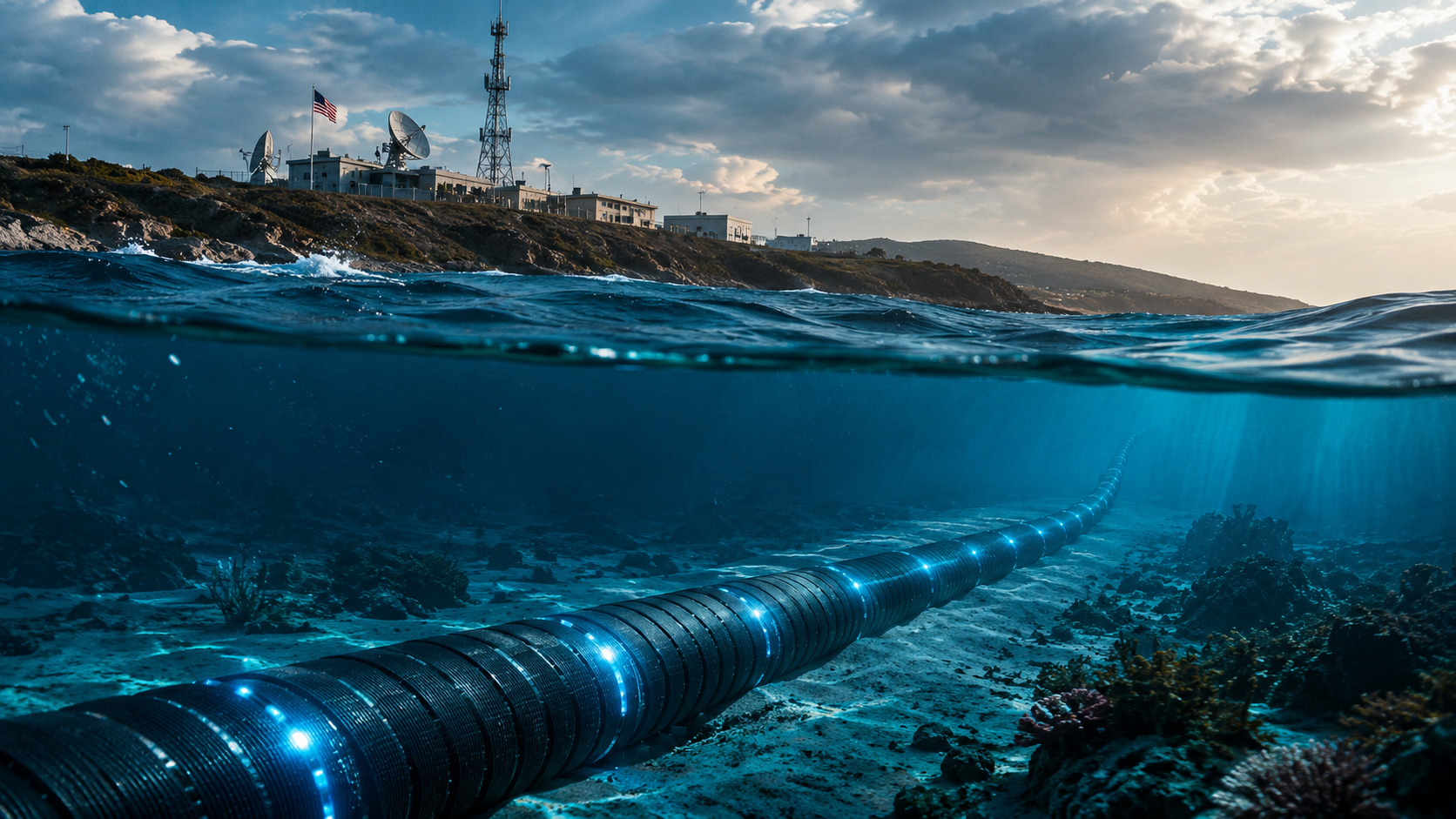
The United States wants to tighten control over submarine cables that carry 99% of international internet, silently cross oceans, total more than 400 routes worldwide, and have become a strategic piece in the competition for data, technology, and suppliers.
-
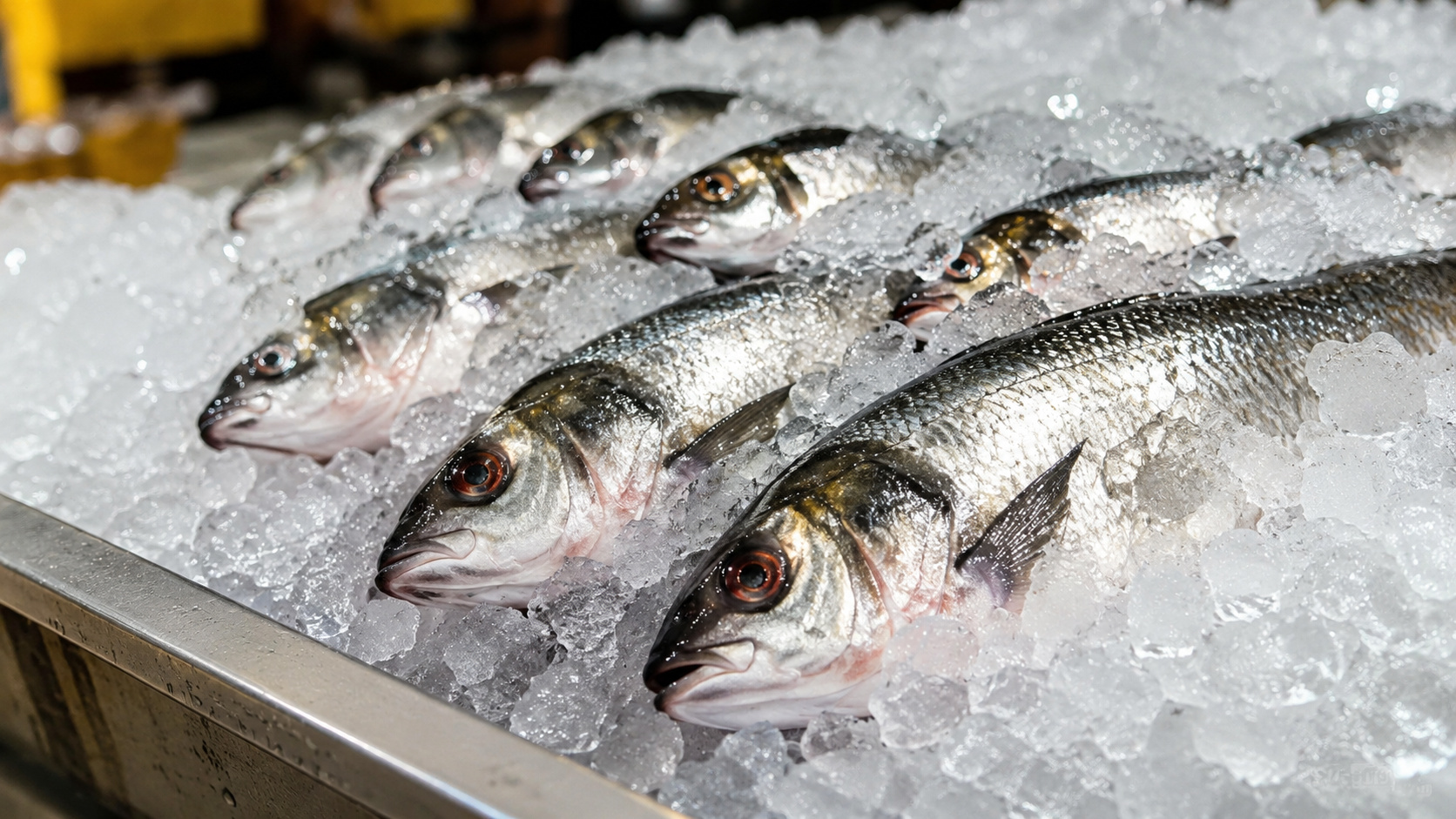
European Union looks again at Brazilian seafood after a nearly 8-year ban and may unlock a coveted market for lobster, tuna, tilapia, and shrimp.

The CEO of Maersk in Northeast Asia, Toru Nishiyama, expressed enthusiasm and noted great potential in the partnership between the company and the Japanese community.
Nishiyama highlighted that it is an important moment to achieve the company’s sustainability goals and reach net zero by 2040.
Emphasizing the potential for collaboration to minimize the environmental and climate impact of operations while driving economic growth in the region.
Green Methanol: The New Era of Maritime Navigation
With short-term goals set for 2030, Maersk aims for steady progress toward environmental advancement.
This investment highlights the company’s pursuit of reducing its carbon footprint and supporting its customers in achieving goals with lower environmental impacts.
More and more global companies are committing to collaborate in addressing global sustainability challenges in their productions.
Maersk is not lagging behind with a fleet of 25 container ships with biofuel engines capable of sailing on green methanol.
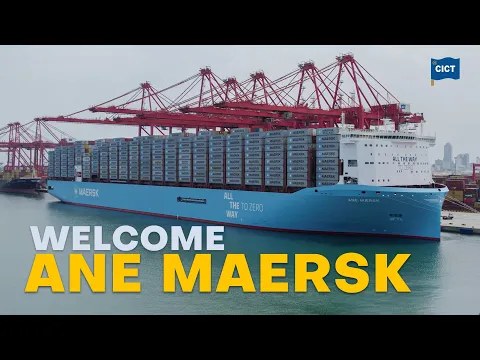
In less than a year, the company has announced three of these ships: the Laura Maersk, the Ane Maersk, and now the Astrid Maersk.
About Maersk
Maersk is one of the largest transport and logistics companies in the world, headquartered in Denmark.
Founded in 1904, the company has expanded into various sectors, including maritime transport, ports, land logistics, and oil and gas services.
Recognized for its innovation and efficiency, Maersk plays a crucial role in global trade, moving goods for customers around the world.
Additionally, the company has stood out in sustainability efforts, seeking to reduce its carbon footprint and lead the transition to greener transport.