Portuguese
  Spanish


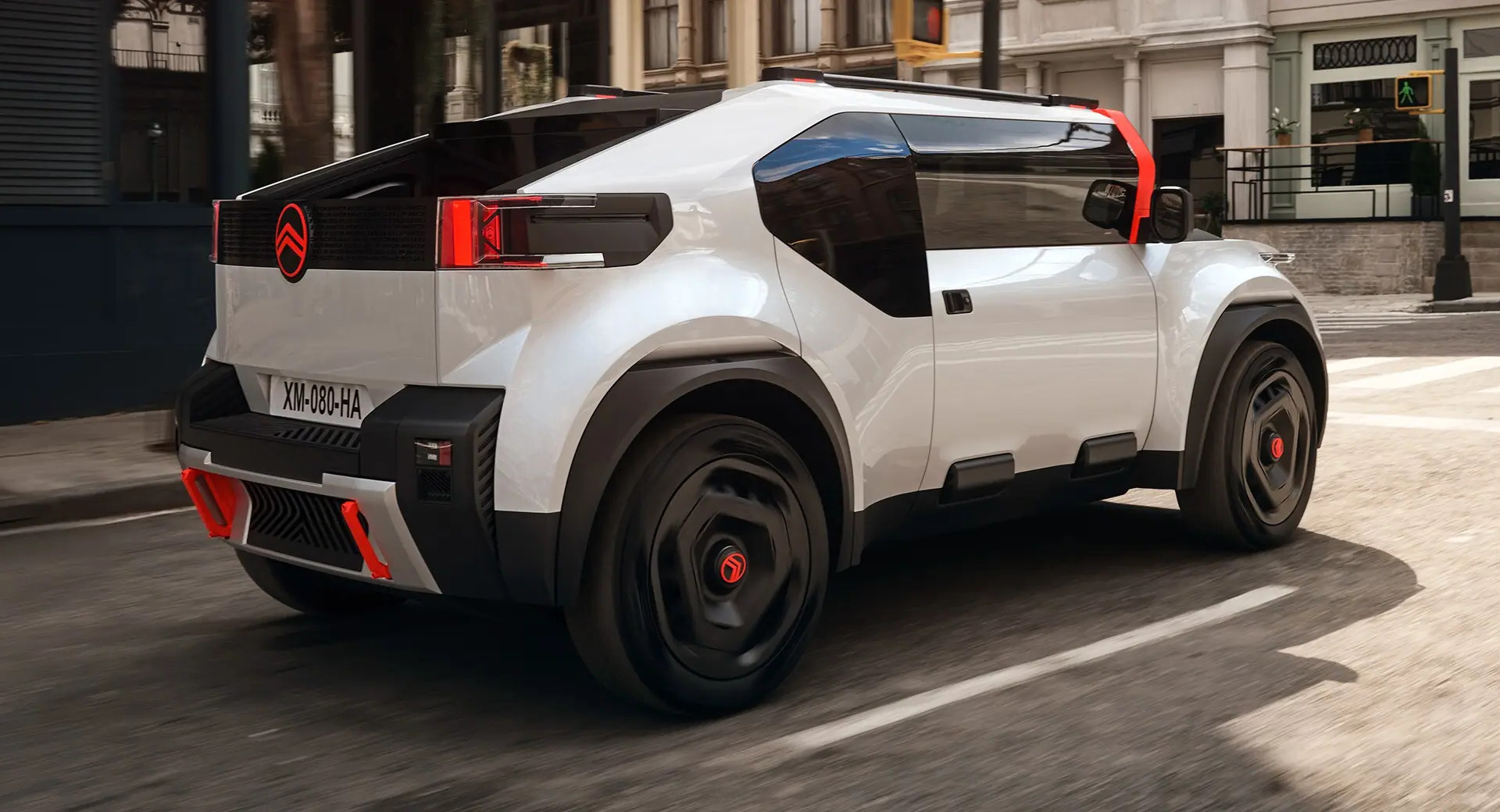


Citroën Presents Oli, a Futuristic Electric Car Concept Made from Recycled and Recyclable Materials
All eyes are on French automaker Citroën. The company unveiled the prototype of a electric vehicle that was created with the intention of being an EV different on all levels. The Citroën Oli was designed under the principles of weight and complexity reduction, using recycled and recyclable materials. Designed to provide accessibility, the vehicle was also conceived to have a longer lifespan.
In the upcoming edition of the Paris Motor Show, scheduled to take place from October 17 to 23, 2022, the Oli will undoubtedly be present at the Citroën booth. Those attending the event will have the opportunity to see the electric car and explore its various innovations. Starting with the updated logo of the automaker, which is now oval and molded, based on the first one the company ever used. Check out the presentation video released by the company.
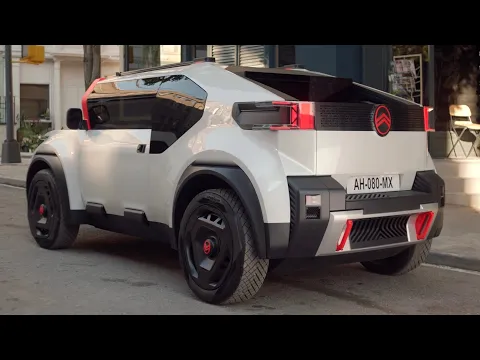

The Citroën Oli Has a Large Portion of Its Construction Made from Recycled Materials
Recycled materials have been used for a significant portion of the car’s construction, including the seats and the body itself. The seats, for example, contain about 80% fewer components than a typical car seat, with these being replaced by recycled materials.
-
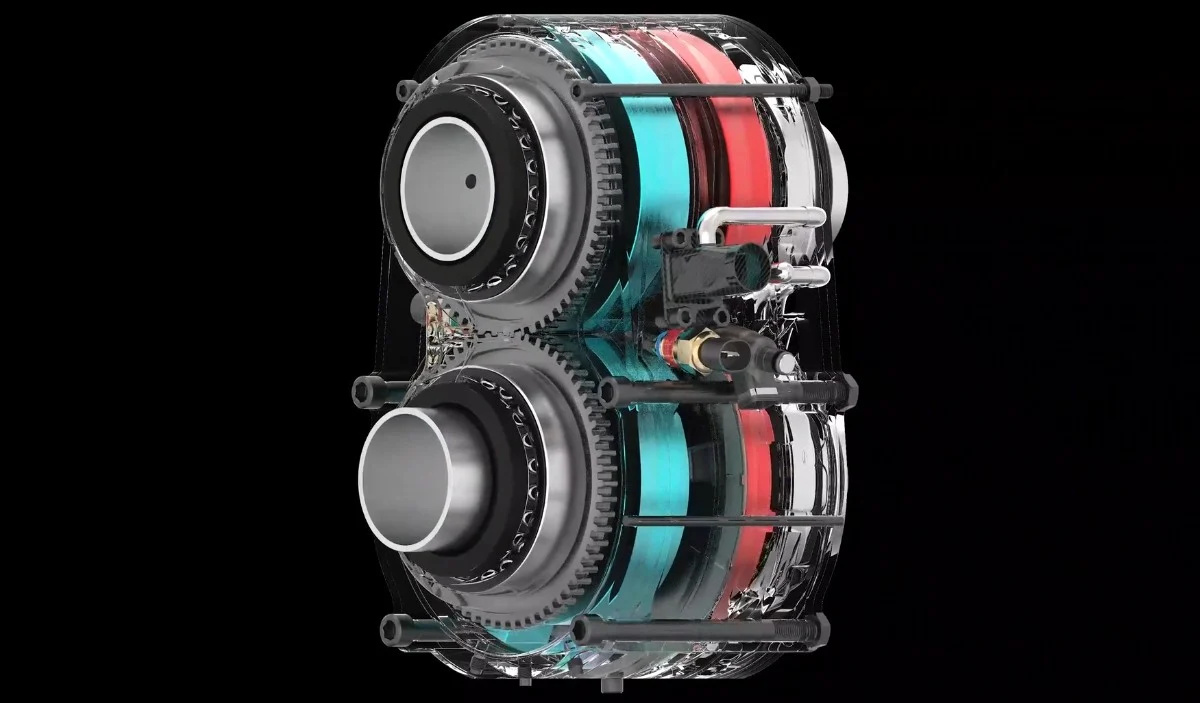
Suitcase-sized hydrogen engine spins at 25,000 rpm, nearly doubling the efficiency of conventional cars and replacing exhaust smoke with water vapor

-
1983 Chevrolet Runs Over 100,000 km Without Gasoline, Powered by Wood Chips, Reaches 125 km/h in Airport Test

-
Workshop Converts Giant Tractor Tire Tricycle into a Three-Wheel Drive Hybrid with 36,000-Watt Electric Motor Capable of Climbing Hills

-
Chery Offers Lifetime Battery Warranty and Car Replacement for Major Failures Under New Chinese Regulations



The roof and rear, for example, were designed in collaboration with BASF, a major chemical company. The roof and rear are made from recycled corrugated cardboard but reinforced with fiberglass; as a result, they are strong enough to withstand normal amounts of rain and sun, like a conventional vehicle.
According to Citroën, the maintenance cost for owners will be quite modest in case replacement of components is necessary. If they need to be replaced, Citroën can supply them in an environmentally responsible manner using recycled parts from other Oli units that are no longer in use. As all its components can, in principle, be easily and affordably replaced since they are recycled, the automaker expects its product to last longer and have lower maintenance costs.
The Recyclable Electric Car from Citroën Will Have Reduced Weight for a Vehicle of Its Size and Will Feature a Battery with Good Range
The Citroen Oli is expected to achieve its reduced minimum weight by minimizing the number of components used and adapting some of its structural elements using cardboard instead of conventional materials like steel. It is said to weigh exactly one ton (1,000 kg), which is very light considering its size compared to a Jeep Renegade. This weight already accounts for the combined total along with the weight of the 40 kW battery that will give it a range of 400 kilometers, as stated by the manufacturer.
There are no prices listed for the Citroen Oli yet, as the automaker has not yet announced the vehicle to the consumer market. However, there are expectations that Citroen will announce the car commercially as soon as the Paris Motor Show concludes.