






 Portuguese
  Spanish
 2 min of reading


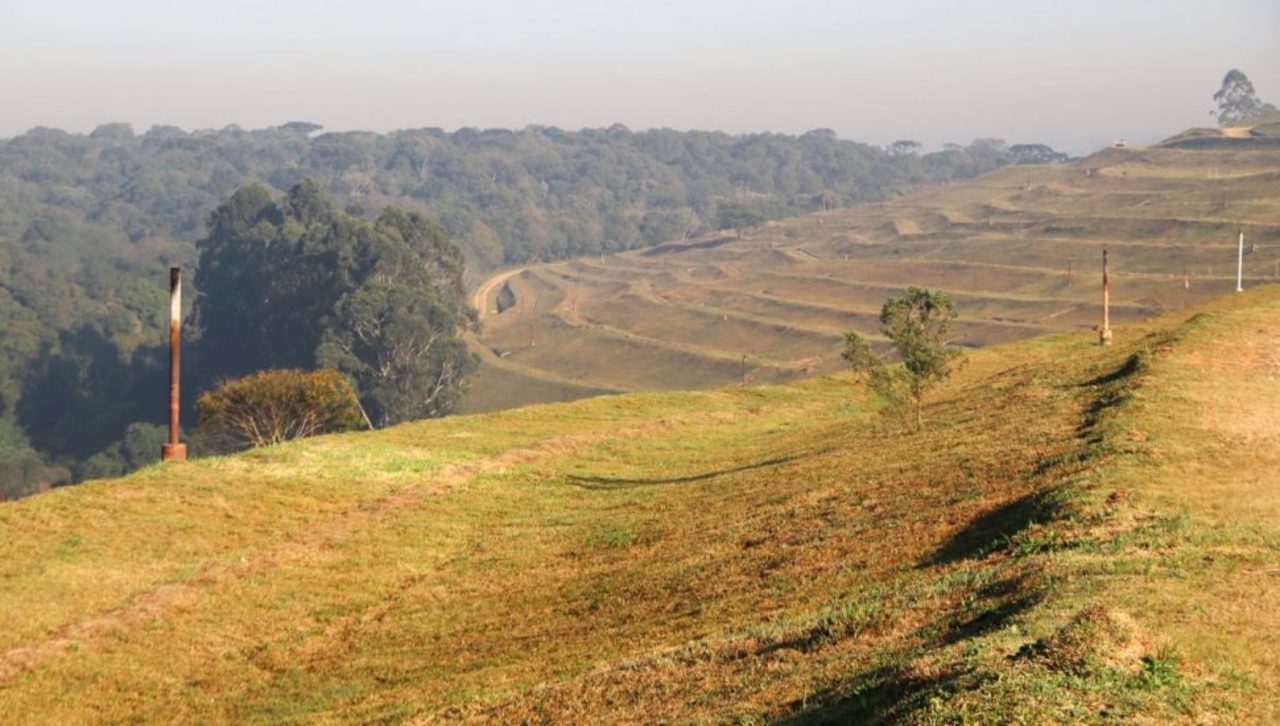
The City Hall of Curitiba, in partnership with Copel (Parana Energy Company), will build a solar power plant at the Caximba neighborhood landfill, inactive since 2010.
The solar power plant project in Curitiba is part of the Curitiba More Energy program, focused on the use of renewable sources, and will have panels, the same as those used in residential solar panels, installed in a pyramidal format by Copel. With a total generation capacity of 5 Megawatts (MW), the project could supply up to 43% of the energy needs of municipal buildings in the capital of Paraná.
Read Also
And It Doesn’t Stop There!
In addition to the Caximba solar energy pyramid, the Curitiba More Energy program also aims to install photovoltaic plants at the city bus station and in three of its bus terminals: Pinheirinho, Santa Cândida, and Boqueirão.
Another outcome of Curitiba’s solar energy program was the solar plant at Palácio 29 de Março, the headquarters of the City Hall, operating since June of last year with 439 solar panels.
-
Brazilian scientists are simultaneously advancing two research projects on clean hydrogen and driving solutions that could transform the energy matrix, enhance industrial competitiveness, and accelerate large-scale emission reduction targets.

-
Advancement in renewable energy: A R$ 150 million project launched by Petrobras and Finep aims to create state-of-the-art electrolyzers for green hydrogen, strengthening national research and preparing Brazil to compete in a billion-dollar energy market.
-
Illiterate or semi-literate grandmothers were trained to repair solar systems, open rural workshops, and light up homes that still depended on kerosene.
-
The world has bet on green hydrogen as the fuel of the future, but now faces the side effect: producing 1 kilogram requires about 9 liters of ultrapure water, and the largest projects on the planet are precisely in the driest regions of the Earth, where water is already scarce for people.





About the Project in Partnership with Copel
The project will be implemented and operated in partnership with the city hall and Copel, through a public call opened by the company in 2008. The Technical Cooperation Agreement was signed by the company’s president, Daniel Slaviero, and the mayor, Rafael Greca.
The technical, economic, and financial feasibility studies of the Caximba Solar Pyramid are already underway and should be completed by May. Preliminary information indicates an investment of R$ 31.5 million – 49% from Copel and 51% from the municipality.








Be the first to react!