Portuguese
  Spanish




Audi Invests In Brazil Amid Changes In The Automotive Sector
Colon Audi officially announced today (Friday, August 29, 2025), that it will begin assembling the new Q3 in Brazil starting from the first half of 2026.
The factory in São José dos Pinhais (PR) will produce the SUV. This plant has been assembling the current generation since 2022, in CKD mode, using parts imported from Hungary.
The Brazilian government announced, in July 2025, the advance taxation on hybrids and electrics made under the CKD regime. This had a significant impact on the automotive sector.
-
Fiat Cronos Precision 2018: Affordable Sedan with Spacious Trunk and Reliable Maintenance

-
Volkswagen to Cut Production by 1 Million Cars by 2030, Reducing Jobs and Platforms, Focusing on More Profitable Models

-
Toyota Launches First 100% Electric Car in Brazil: bZ4X with 343 HP, All-Wheel Drive, 361 km Range, Priced at $419,990 BRL, Limited to 99 Units

-
Chinese SUV Achieves 24.4 km/l, Outperforms Toyota Yaris Cross in Real-World Tests with 224 hp Hybrid System, Offers 51-Liter Tank for Greater Range, and Costs Up to R$ 5,000 Less.


However, it also temporarily expanded the tax-free quota for kits assembled over the next six months, allowing a transition strategy for automakers.
Updated Design Inspired By The Brand’s Larger SUVs
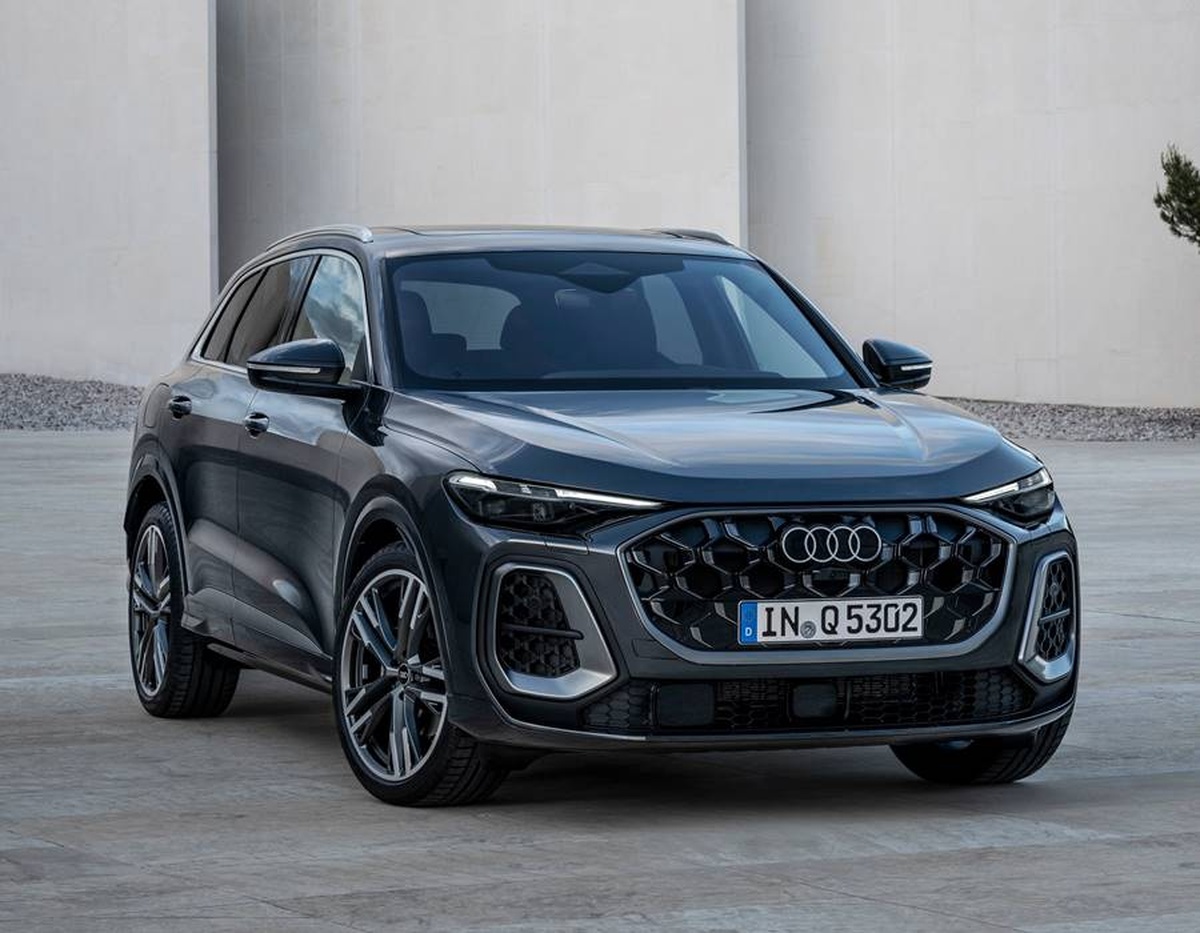
The new Audi Q3, unveiled in August 2025, arrives on the market inspired by the Q5 and Q6 models. The design reinforces modern lines and the brand’s robust identity.
The split front headlights use pixel-type LED technology. Optional versions feature Matrix lights, enhancing the sophistication and technological package of the model.
The front grille, larger than the current generation, highlights the four-ring logo. A continuous horizontal strip connects the LED taillights at the rear.
In the Sportback body style, the roof has been redesigned, providing a sportier profile and creating a more pronounced tilt in the rear window compared to the previous model.
- Latest generation LED headlights
- Continuous LED strip taillights
- Enlarged front grille with greater emphasis on the logo


Technological Interior With A Focus On Practicality
The cabin maintains the brand’s premium standard, featuring an 11.9-inch digital instrument panel. Next to it is the 12.8-inch multimedia center.
The new gear selector is positioned next to the steering wheel. This freed up space in the central console, which now offers larger cup holders and wireless charging.
The SUV measures 4.53 meters in length, four centimeters longer than the previous model. The width of 1.86 meters and the height of 1.58 meters remain unchanged.
The wheelbase of 2.68 meters has been retained. The trunk accommodates 488 to 575 liters, depending on the tilt of the rear seats, falling short of the previous generation.
Hybrid Powertrains And Global Performance
Externally, the engine range starts with the 1.5 TFSI mild hybrid with 150 hp. Additionally, it features a seven-speed automatic transmission and cylinder deactivation.
Above this configuration, versions with quattro all-wheel drive use a 2.0 TFSI engine with 265 hp, ensuring better performance under different driving conditions.
On the other hand, the 2.0 TDI diesel engine delivers 150 hp, being ideal for those seeking torque and extended range.
However, the big highlight is the plug-in hybrid (PHEV), which combines a 1.5 gasoline engine with a highly efficient electric motor.
Combined, the engines total 272 hp, offering an electric range of up to 118 km in the European cycle — the longest range in its class so far.
Furthermore, the 19.7 kWh battery can be recharged in less than 30 minutes, provided that fast chargers of up to 50 kW are used.
- 1.5 TFSI mild hybrid engine with 150 hp
- 2.0 TFSI quattro engine with 265 hp
- 2.0 TDI diesel engine with 150 hp
- PHEV with 272 hp and a range of 118 km
Expectations For The Brazilian Market In 2026
Audi has yet to confirm the powertrains for the new Q3 in Brazil, but the 2.0 TFSI engine and a hybrid option are expected.
Currently, the national model features a 2.0 TFSI engine with 231 hp and an eight-speed automatic transmission.
In August 2025, the prices for the new Audi Q3 ranged from R$ 286,892 to R$ 360,389, clearly positioning it in the premium segment.
Additionally, with production confirmed in the country, Audi increases its competitiveness.
For this reason, the new Q3 heavily invests in technology, performance, and sophistication, essential factors for standing out in an increasingly demanding market.
Meanwhile, its differentiators help reinforce the perception of value and consolidate the brand among the top choices for the premium audience in Brazil.
Therefore, Audi’s strategy combines local production, innovation, and brand positioning to compete among luxury compact SUVs.