Portuguese
  Spanish





Senate May Increase the Value of the Pé-de-Meia by 20% for Students from Rural Areas and Include Incentive for Full-Time Enrollment; Proposal Aims to Encourage School Retention.
According to information from Metrópoles, the Federal Government may increase the amount paid by the Pé-de-Meia, financial incentive program linked to education, especially for students enrolled in rural schools and full-time.
The proposal, which is currently in the Senate, provides for a 20% increase in the amounts paid to beneficiaries from rural areas and differentiated incentives for those studying full-time.
The measure aims to combat school dropout and support students who face greater challenges in accessing education.
-
Are Companies Required to Release Employees During Brazil’s World Cup Matches? Understanding Workers’ Rights

-
Brazilian Family’s Homeschooling Success Sparks International Debate: Daughters Read 30 Books Annually and Speak Multiple Languages

-
Piauí Governor Enacts Law Requiring State Contractors to Reserve Jobs for Former Inmates with Minimum Wage and Verification Before Payment
-
Providing Your Tax ID at Supermarkets: A Routine Step That Can Unlock Discounts and Rewards but Also Reveals Your Shopping Habits


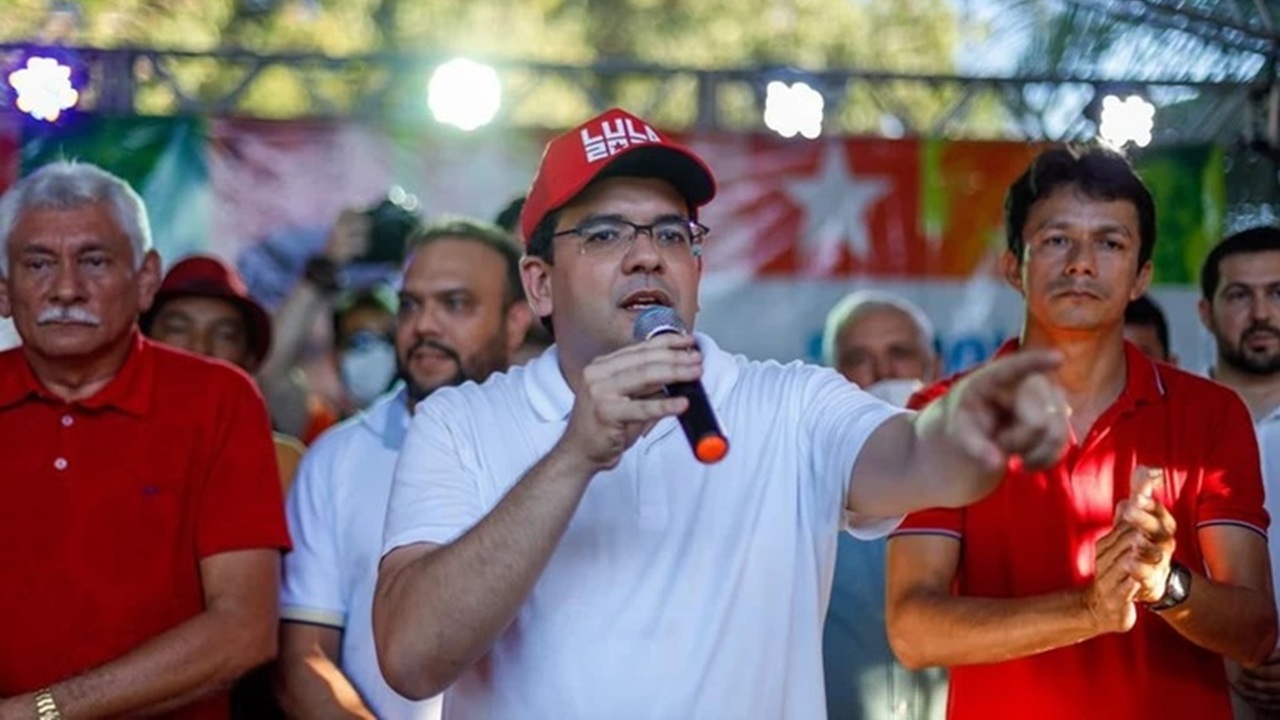

The rapporteur of the proposal, Senator Professor Dorinha Seabra (União-TO), presented amendments to the project under review in the Senate Economic Affairs Committee that include incentives in the legal text, aiming to recognize the specific difficulties faced by these groups of students.
Pé-de-Meia: A Program That Strengthens Education
The Pé-de-Meia is a federal program created to encourage the retention and completion of high school among students from public schools, with payments conditioned on criteria such as enrollment, attendance, and approval in grades.
The program functions as an educational savings system in which students receive R$ 200 per month during the school year, provided they meet the minimum attendance requirement.
At the end of each year completed with approval, the student can withdraw R$ 1,000, and there is also a bonus of R$ 200 for those who participate in the National High School Exam (Enem).
All of this can add significant amounts over the three years of high school.
The initiative aims to reduce inequalities, increase social inclusion, and stimulate mobility through education, currently benefiting millions of young people enrolled in high school throughout Brazil.


Why Propose the Increase in the Value of the Pé-de-Meia?
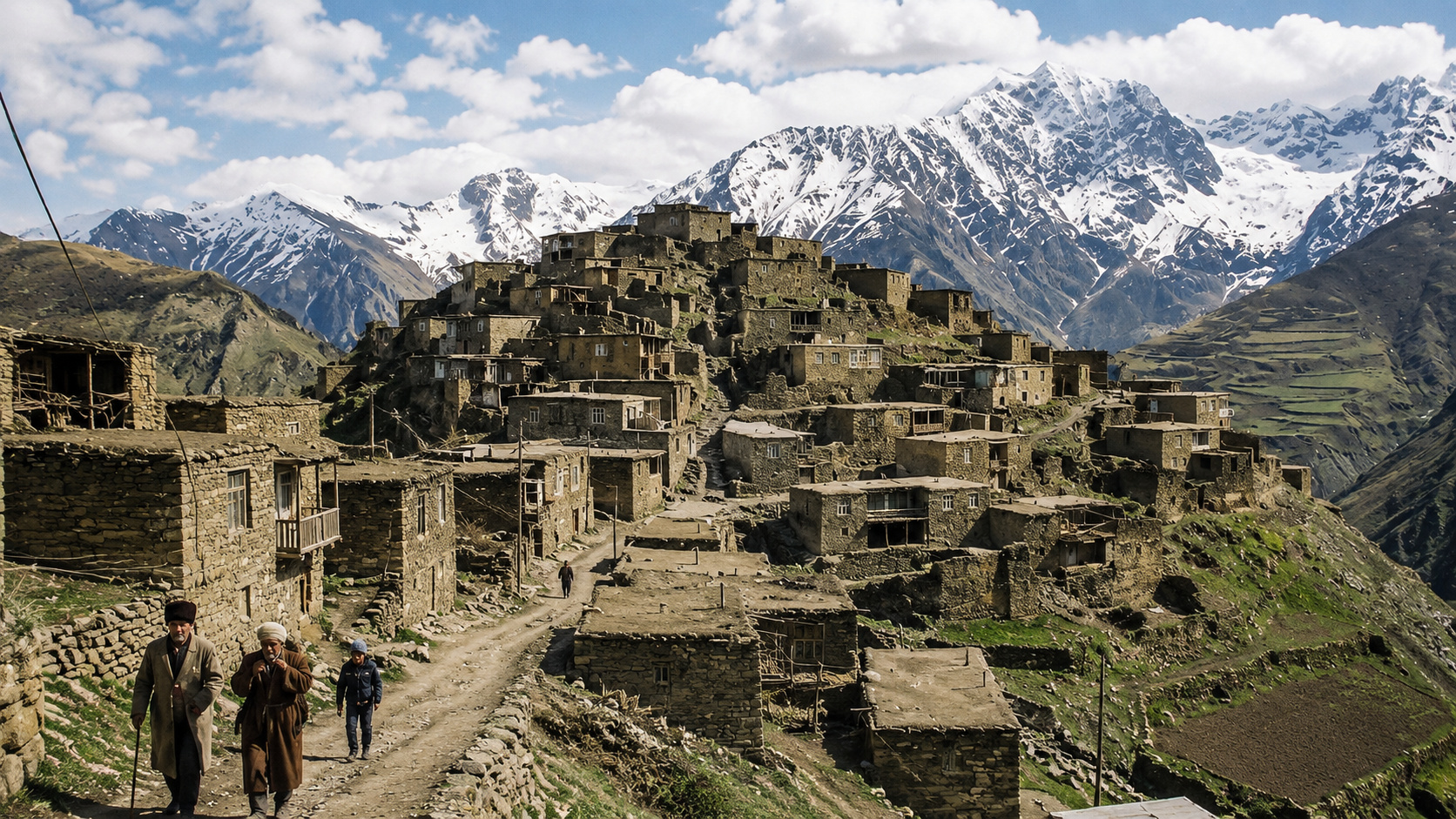
The main argument for proposing an increase in the value of the Pé-de-Meia for students from rural areas is related to the difficulties these young people face in attending school regularly.
Often, long distances must be traveled to reach educational institutions, which can discourage retention and increase dropout rates.
Senator Professor Dorinha argues that this group deserves specialized treatment due to “(…) the great effort they often make to reach their place of study,” emphasizing that a greater incentive could make education more accessible for these students.
Moreover, the parliamentarian included in the proposal an additional incentive for students in full-time enrollment — a modality where the student spends more time in school and therefore has less time to contribute financially to the family.
According to the rapporteur, this condition requires greater financial support so that young people can maintain their studies and successfully complete high school.
Prospects for Voting in Congress
The amendment proposal that brings the increase in amounts and the differentiation for full-time enrollment is still undergoing analysis by the senators and needs to be voted on in the Economic Affairs Committee.
After this step, the text may proceed to other legislative instances before being sanctioned or vetoed by the Executive.
The discussion about the value of the Pé-de-Meia raises broader debates about public policies for school retention in Brazil, especially in regions with greater socioeconomic vulnerability.
Expected Social Impacts of the Increase in the Benefit Value
If approved, the measure could have concrete effects on the lives of rural and full-time students, reducing school dropout and strengthening the commitment to education in communities farther from major urban centers.
The increase of 20% in the amount paid to students from these areas has the potential to alleviate costs related to school attendance and contribute to completing their studies.
On the other hand, the proposal still needs to overcome budgetary challenges and gain consensus among parliamentarians.
Still, the debate highlights an effort to improve the Pé-de-Meia and make it more sensitive to regional inequalities.
With information from Metrópoles.