






 Portuguese
  Spanish


Young people from Nepal used Minecraft in urban planning to imagine a better square, expose neighborhood problems, and bring clear proposals to the municipality.
Between February 17 and 20, 2015, young people from Kirtipur, Nepal, participated in a workshop with Minecraft to redesign a public space, create pathways and leisure areas, and present their ideas to the municipality.
The digital model brought to the municipality a vision constructed by those who walk through the neighborhood. The experience helped to make needs clearer that technical maps do not show alone, such as places to circulate, rest, play, and socialize.
UN Habitat, the United Nations program focused on cities, detailed the experience in a guide about youth participation in urban design. The Block by Block methodology uses the game to organize ideas and expand the conversation about public spaces.
-
Artist Converts Truck into Mobile Home to Embrace Diving Lifestyle, Complete with Bed, Kitchen, and Storage

-
Over 300 People in Barcelona Demonstrate Temperature Differences Between Shaded and Sun-Exposed Sidewalks
-
Tired of High Rent, Woman Converts Truck into Mobile Home for Travel Lifestyle
-
After Earthquakes Devastated Thousands of Homes in Nepal, Woman Uses Compressed Earth Bricks to Build Over 40 Resilient Houses



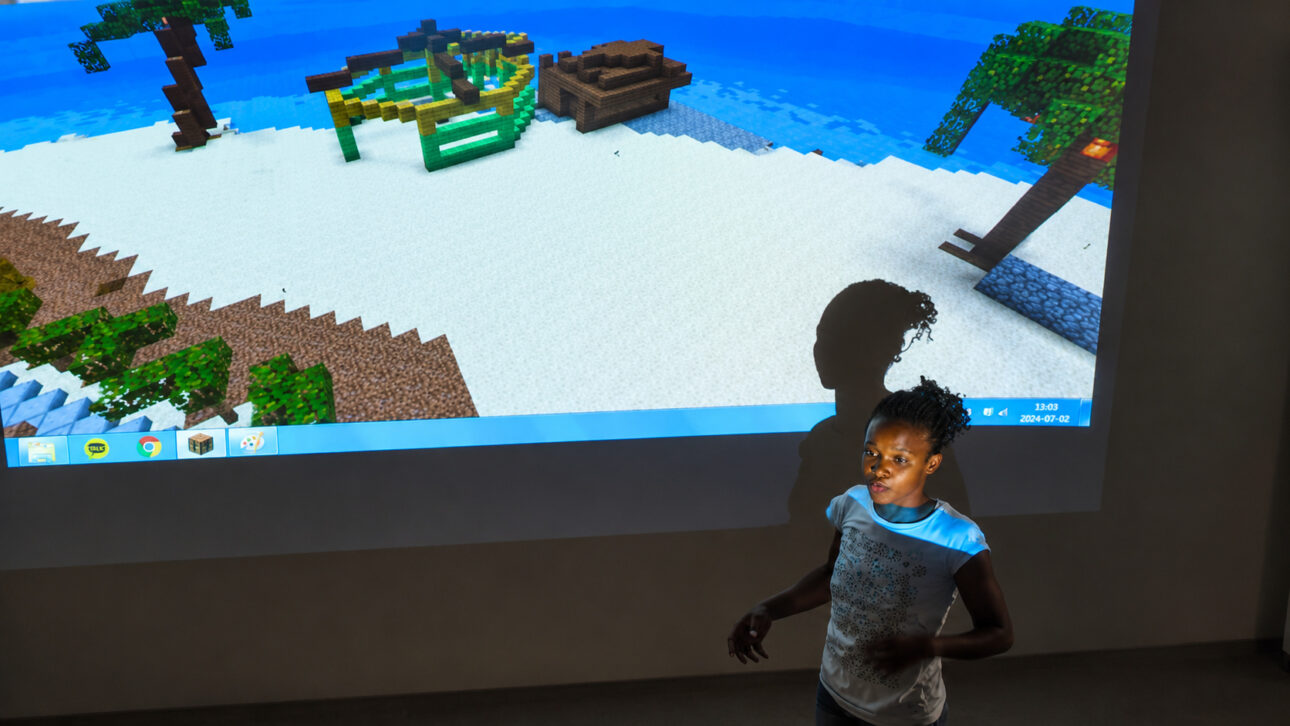
Minecraft put the square of Kirtipur on a screen made of blocks
The workshop digitally recreated a real public space in Kirtipur. On the screen, the young people could modify pathways, leisure areas, and equipment, without relying on a technical plan that is difficult to understand.
The digital model of the square allowed each participant to show what they imagined for the location. An idea that would be difficult to explain in a meeting could appear visibly within the game.
The proposal did not treat Minecraft as an isolated game. The game became a tool to translate the residents’ experiences into images that technicians and municipal authorities could analyze.
Pathways and leisure showed what residents perceive every day
Measurements, streets, and land boundaries are important for planning a public square. Even so, these data do not show on their own where people feel comfortable, which areas they avoid, or what is missing to enjoy the place.
Youth participation created space for young people to incorporate these perceptions into the project. By designing pathways and leisure areas, they showed an interpretation of the neighborhood based on the routine of those who use the space.
This stage helps the city hall to see issues that usually remain hidden in very technical meetings. The population stops just pointing out a problem and starts showing a possible solution.
Block by Block brought young people and city hall into the same conversation
UN Habitat, the United Nations program focused on cities, presents Block by Block as a methodology that involves residents in creating ideas for public spaces. The process brings visual proposals to authorities and professionals responsible for urban decisions.
In Kirtipur, Minecraft gave young people a simple way to present suggestions for the square. The goal was to facilitate the conversation about what could improve in the area, without requiring knowledge of engineering or architecture.
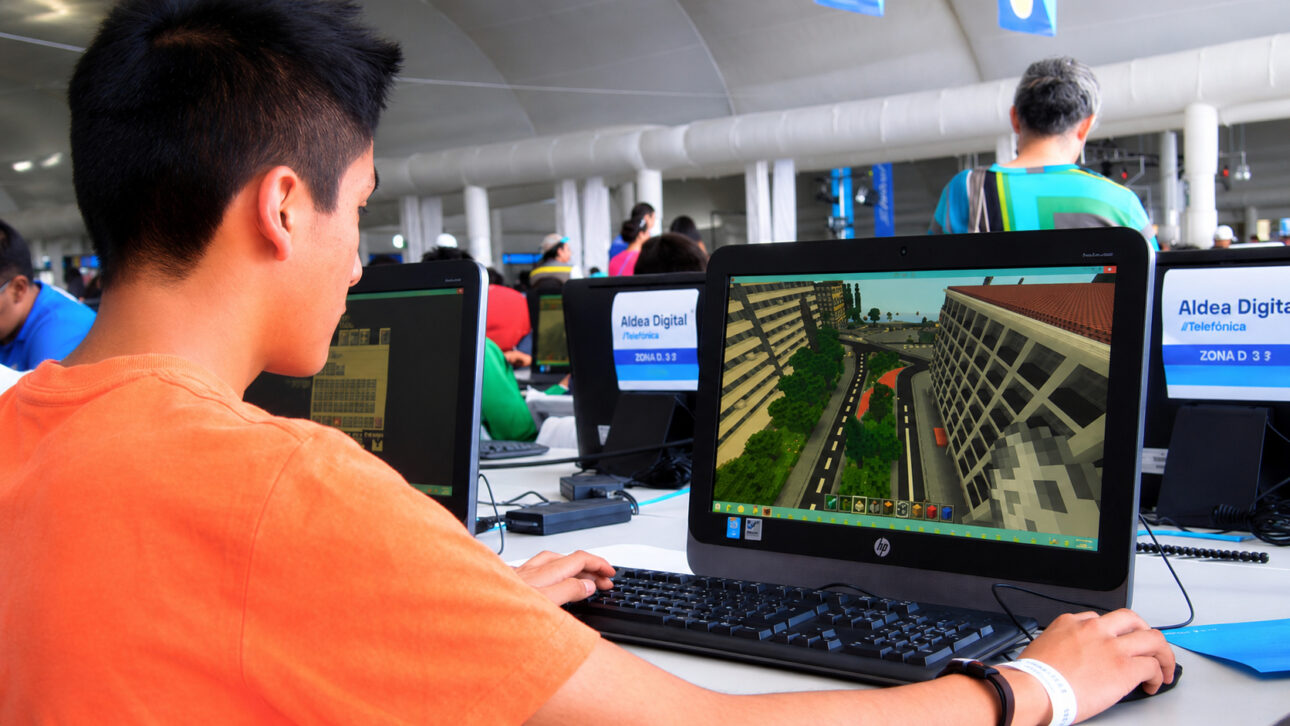
The city hall receives a clearer starting point when residents can show their priorities. This does not guarantee a project, but it improves the chance of the dialogue considering those who live near the square.
The game helps explain the square, but does not solve the project
Minecraft does not replace executive project, budget, and engineering. An executive project is the set of drawings and information that shows how a project can be done safely.
For a square to come off the screen and take real shape, studies, city regulations, resources, and skilled professionals are still needed. The game helps present ideas before these stages, but it does not eliminate any of them.
This caution avoids a wrong interpretation. A digital model can be attractive and easy to understand, but construction depends on technical decisions and the available funds for the project.
Participation cannot depend only on those who know how to play
A digital workshop can leave people out when there is no computer, internet access, or experience with games. Therefore, technology in urban participation needs to be accompanied by conversation and in-person listening.
Girls, the elderly, and residents who have never used Minecraft also need to have space to speak. The public square cannot be designed only by those who find it easier in front of a screen.
Inclusion improves when digital ideas come together with the experience of different groups. Thus, the project can better represent the needs of those who walk, work, rest, and socialize in the neighborhood.
In Kirtipur, Minecraft helped young people transform problems in a square into visual proposals. The experience showed that urban planning can start on a screen but needs to advance with listening, study, and public decision-making.
The most important impact appears even before any construction. Residents gain a clearer way to explain what is lacking in a public space that is part of the neighborhood’s routine.
In your neighborhood, what would change if residents could redesign the square before the city hall defines the project? Leave your opinion in the comments and share the post.


