Portuguese
  Spanish


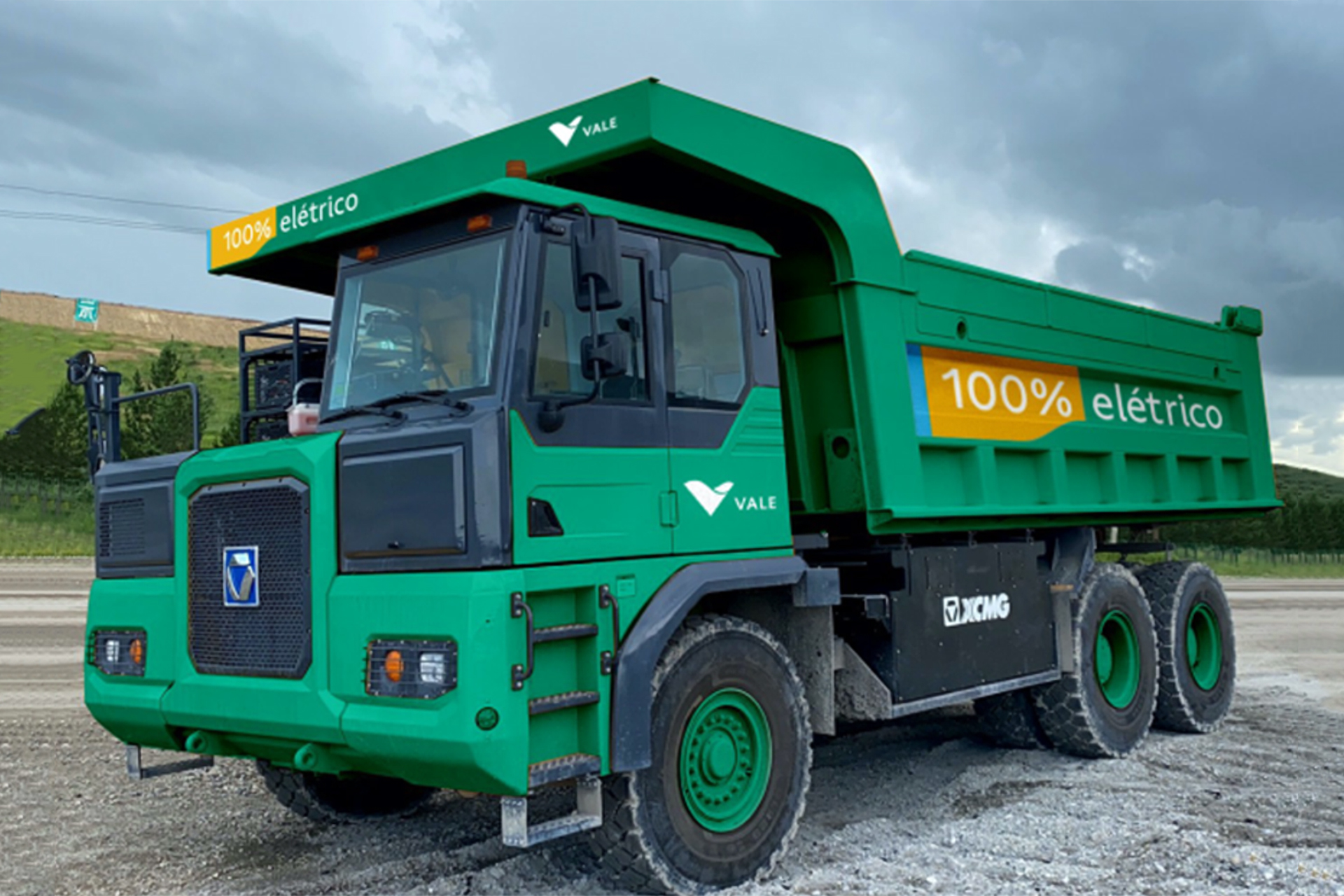


Vale’s Goal with Electric Truck Tests Is to Get Closer to the Company’s Zero Carbon Emission Target
Vale is testing its first fully electric trucks for heavy cargo transportation. The two units will be used for internal transportation in mines in both Brazil and Indonesia. The corporation announced the new feature in recent weeks, and according to the company, the main goal of this initiative is to get as close as possible to not emitting carbon dioxide into the atmosphere.
The trucks are the first of their kind to be employed by a global mining corporation. They replace diesel fuel with energy from renewable sources and also produce less noise, reducing the negative effects that mining activities have on nearby communities. Check out the video to see how it works and what Vale’s proposals are for the initiative.

According to Vale, the electric trucks were manufactured by XCMG Mining Machinery, a subsidiary of the largest machinery manufacturer in China. This is another step in the electrification of Vale’s assets.
-
2027 Toyota Corolla Cross Unveiled: New Design, Enhanced Fuel Efficiency, Reduced Maintenance Costs, Advanced Technology, Connected Services, and Up to 10-Year Warranty

-
France Revamps 530 Social Housing Units with Large Balconies and Glass Facades Without Demolishing Existing Buildings

-
Fiat Cronos Precision 2018: Affordable Sedan with Spacious Trunk and Reliable Maintenance
-
10-Year-Old Max Makes History with Paris Fashion Show, Launches Own Brand, Hires Staff, and Sets World Record as Youngest Runway Designer





Vale’s Electric Trucks Are Equipped with Technologies That Provide Good Range Before Needing to Recharge
Their lithium batteries have a storage capacity of 525 kilowatt-hours and can operate for up to 36 cycles, which represents just over a day of operation for the company without needing to recharge. Additionally, they have the ability to regenerate energy during descents, reducing the amount of mechanical brake use, maintenance, and vibration, providing more operational comfort to the driver. The machine is equipped with numerous temperature control technologies, allowing it to adjust to high temperatures, high humidity periods, and heavy rain.
The purchase of the two electric trucks is another step in the electrification of Vale’s assets. In 2019, the company declared its intention to achieve the goal of zero emissions by 2050. Estimates range from four to six billion dollars to be invested by Vale to reach this goal.
Vale’s Efforts to Preserve the Environment by Electrifying Its Fleet Go Beyond Trucks
Vale has set goals to reduce its dependence on fossil fuels and increase the use of environmentally friendly alternatives in its business operations. The Powershift initiative, created by the company for this purpose, is working to develop new solutions that can be used by the corporation to electrify its assets, both in mines and railways.
The electrification plan for Vale’s assets includes operating battery-powered locomotives in the port yards of Tubarão in Vitória and Ponta da Madeira in São Luís, in addition to the fully electric truck mentioned earlier. Powershift is also testing electric equipment in underground mines in Canada.