






 Portuguese
  Spanish


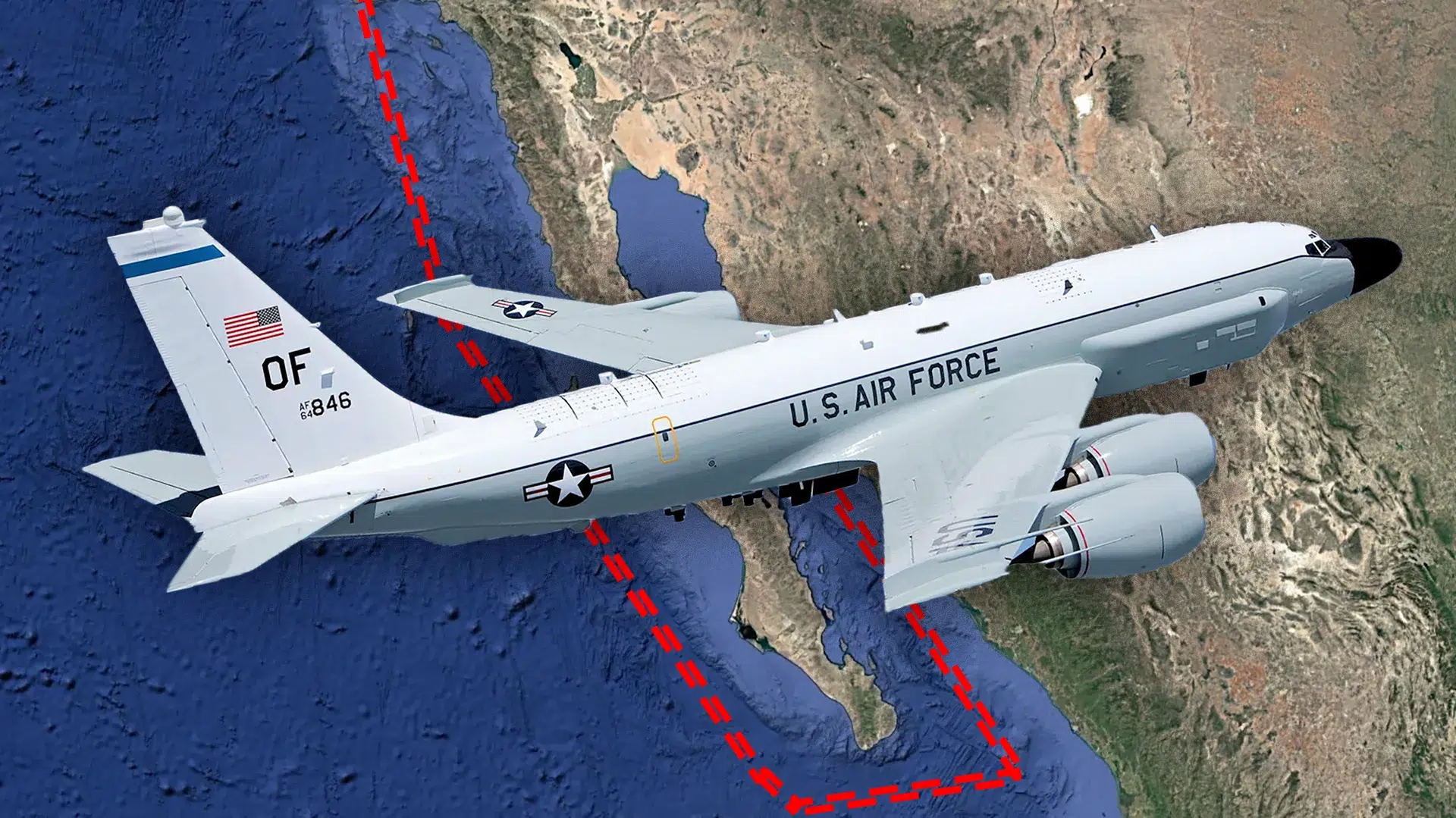


US Spy Plane Carries Out Mission In The Gulf Of California, Monitoring Sinaloa Cartel Activities
Last week, a spy plane from the United States Air Force (US) conducted a mysterious mission over the Gulf of California, near Mexico, generating speculation about the nature of the operation.
The aircraft, a RC-135 Rivet Joint, took off from Offutt Air Force Base in Nebraska on Monday, heading southwest towards California, before turning south, flying along the Baja California coast and entering the Gulf of California region.
The mission had a strategic trajectory, without entering Mexican territorial waters, remaining in international airspace.
-
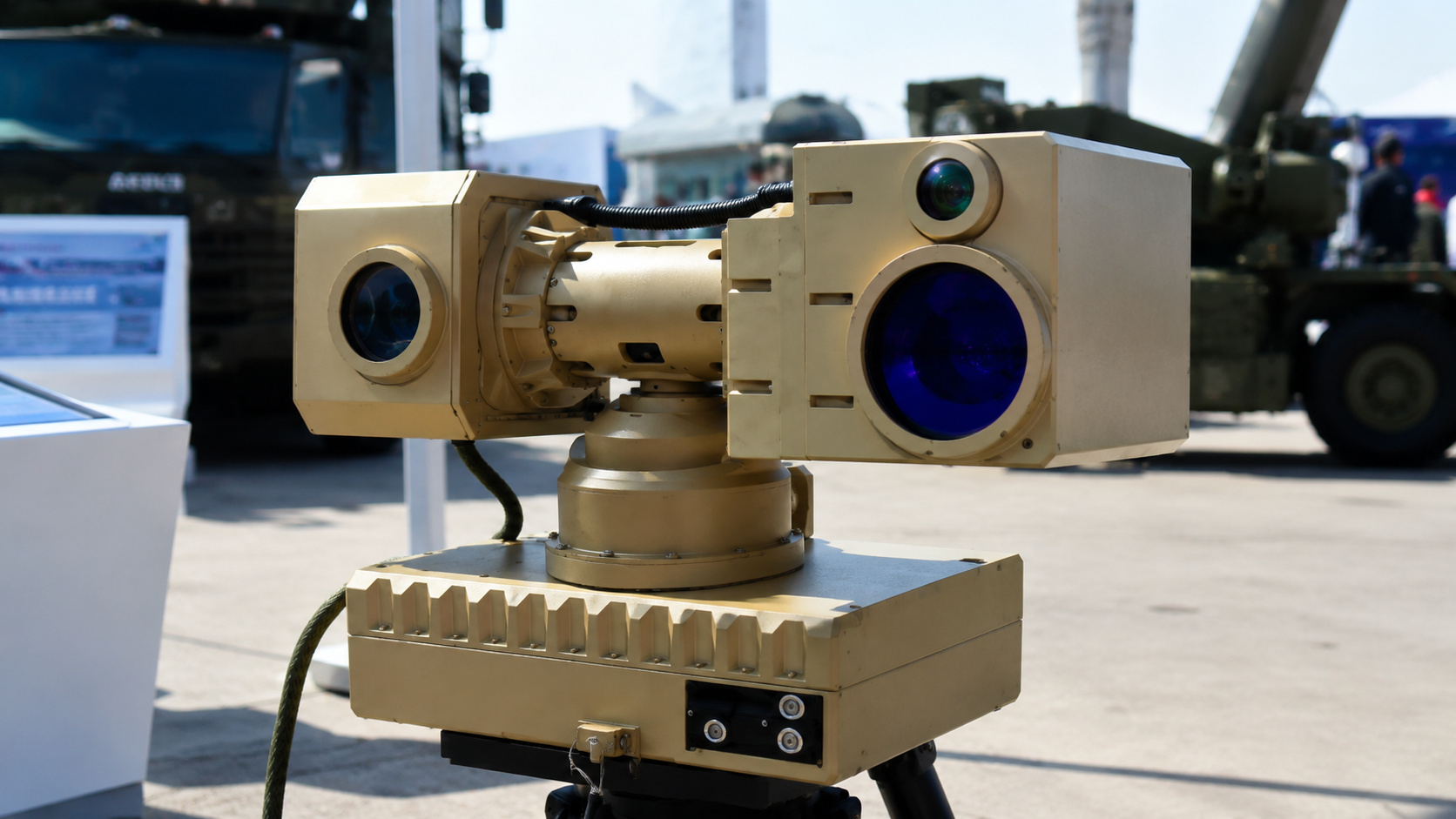
China Unveils Laser Weapon Capable of Instantly Neutralizing Military Drones, Marking a Significant Advancement in Air Defense Technology

-
U.S. Navy’s Ticonderoga-class Cruiser Becomes a 9,800-Ton Missile Fortress with Advanced Aegis System Capable of Tracking Hundreds of Targets

-
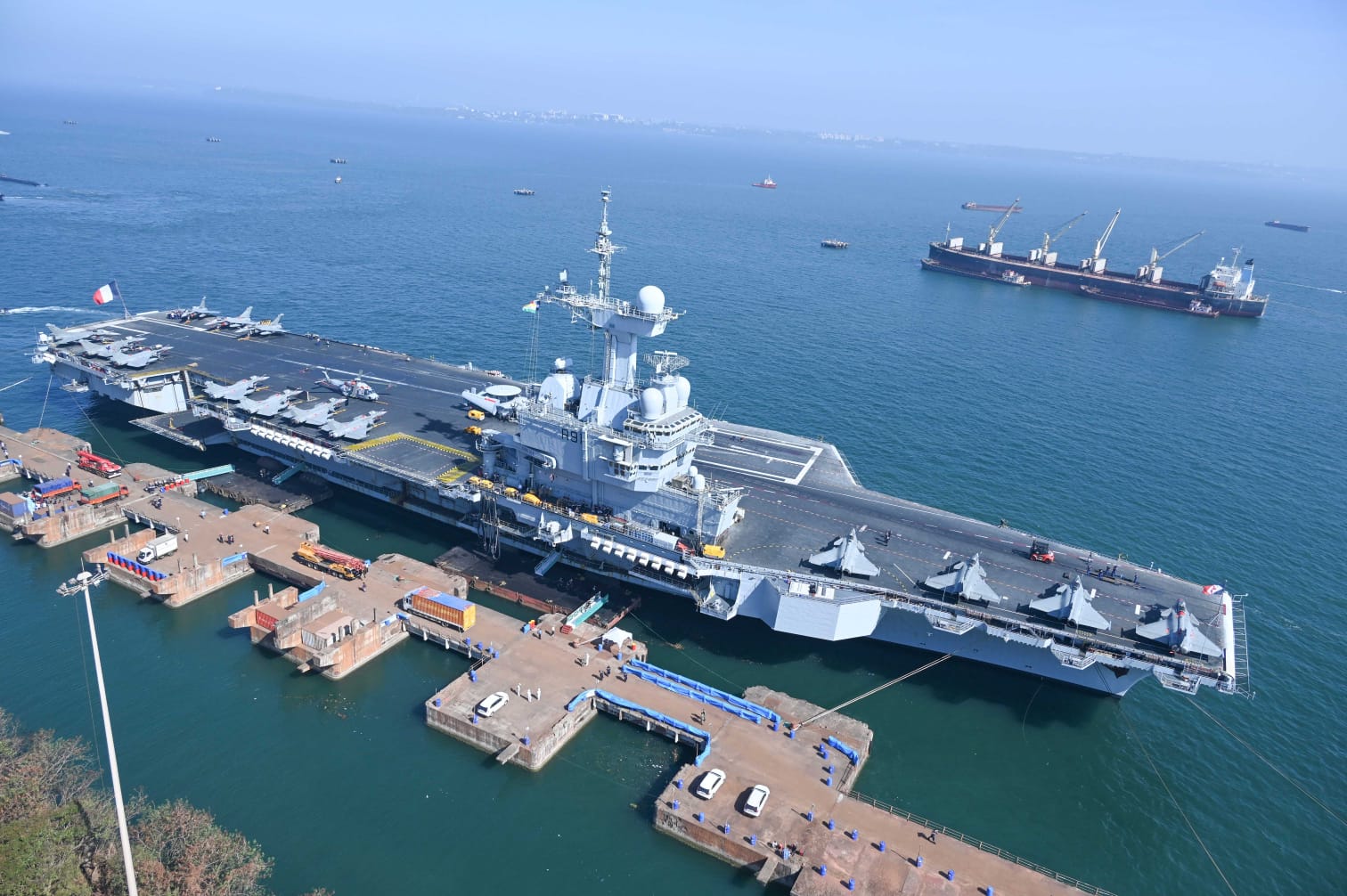
France’s Charles de Gaulle: The Sole Nuclear-Powered Aircraft Carrier Outside the US, Weighing 42,500 Tons and Equipped with Two Atomic Reactors

-
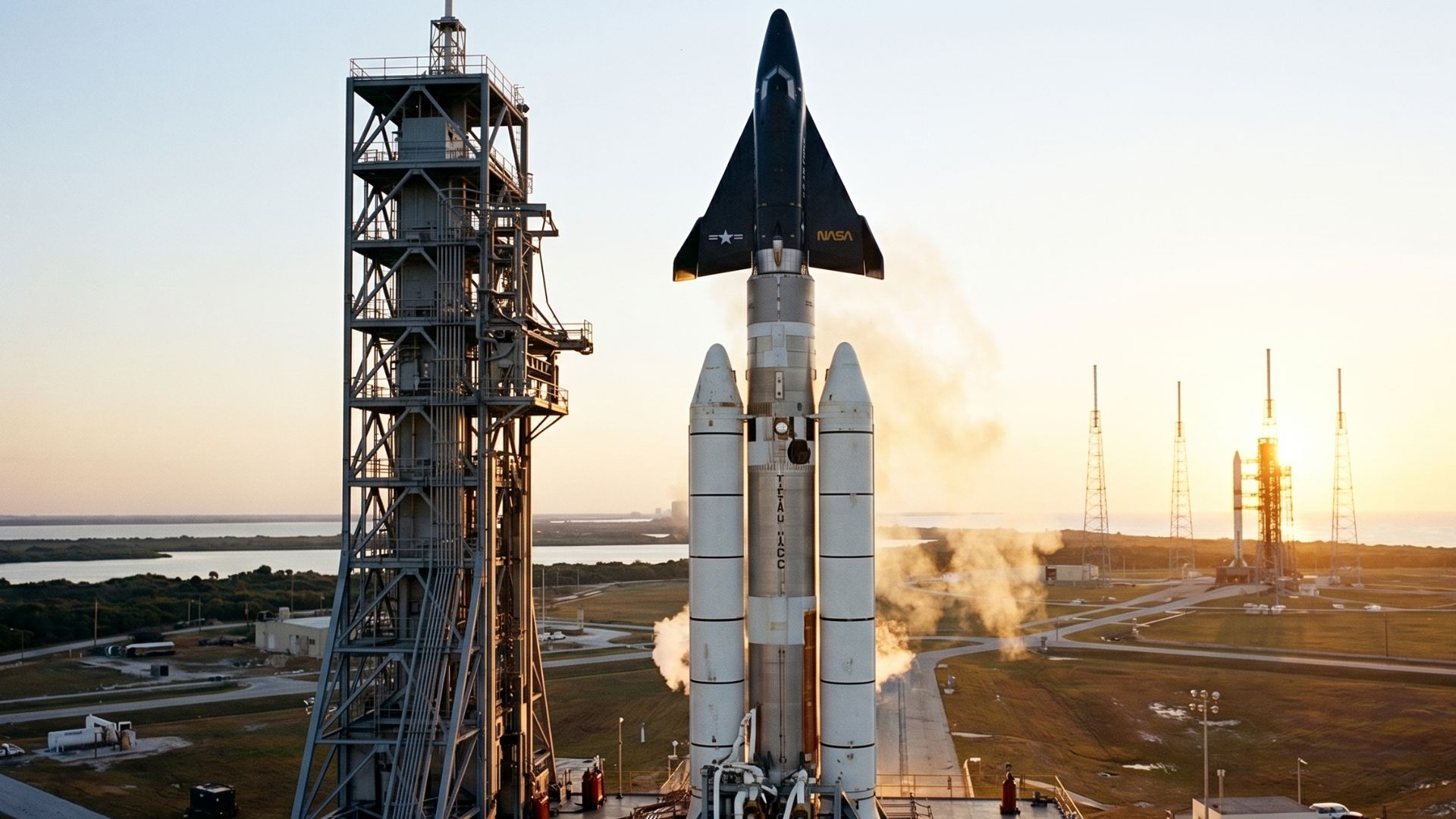
The military spaceplane that almost took the Cold War into orbit: Boeing X-20 Dyna-Soar was designed to re-enter above Mach 20, fly for up to 40 hours, land like a plane, and transform Titan rockets into a gateway to a new era of orbital warfare.

The area in question, however, is under strong influence from the Sinaloa Cartel, one of the most powerful drug trafficking organizations in the world.
The region has been a focal point of constant tension between the US and Mexico due to drug trafficking and illegal immigration, sensitive issues that affect the relationship between the two countries.
The US Spy Plane: The Rivet Joint Operation
The RC-135 Rivet Joint is a reconnaissance aircraft specialized in intelligence operations, with advanced capabilities for intercepting communications and conducting electronic surveillance.
It is used to carry out reconnaissance flights and collect real-time data, which can be crucial for military or national security operations.
The aircraft can “detect, identify, and geolocate signals,” allowing for precise monitoring of activities on the ground, especially in high-risk areas like those dominated by drug trafficking.
The flight sparked speculation that the US may be using the plane to intercept communications related to drug trafficking or even to monitor movements of the Sinaloa Cartel.
This operation occurs in the context of an increase in the smuggling of fentanyl, methamphetamine, and other illicit substances from Mexico that are causing a severe opioid crisis in the US.
Additionally, the flight took place at a time of negotiations between US President Donald Trump and Mexican President Claudia Sheinbaum regarding immigration and drug trafficking control.
Sinaloa Cartel and Security Attacks
The Sinaloa Cartel is considered one of the most sophisticated organizations in the world, operating not only in Mexico but also in various parts of the US and other countries.
Its influence in the Gulf of California region has raised concerns on both sides of the border. In the current context, the cartel has been one of the main distributors of drugs in the United States, directly affecting security and public health.
The relationship between the two countries, already strained by issues such as drug trafficking and illegal immigration, was recently marked by a truce in Trump’s tariff threats, after Mexico agreed to take stricter measures to control immigration and drug trafficking.
As part of this agreement, Mexico commits to sending 10,000 National Guard members to bolster security at the border.
Political and Military Repercussions
The flight of the US spy plane RC-135 Rivet Joint and the recent transfer of US troops and military resources indicate an intensification of US involvement in border security issues.
The US Air Force has not revealed all the details of the mission, but sources indicate that the aircraft was used for “ISR flights” (Intelligence, Surveillance, and Reconnaissance), collecting crucial information for military and intelligence operations.
Additionally, the US Department of Defense is increasing the number of intelligence agents and soldiers deployed to the region, with an additional 500 soldiers being sent to support security training at the border, and 140 military intelligence agents also designated for the mission.
This increase in troop numbers reflects a growing concern for security in the region, especially regarding arms and drug trafficking.
The situation remains tense, and with the support of operations like the RC-135, the US is strengthening its surveillance over the activities of the Cartel de Sinaloa, maintaining pressure on Mexico to enhance control over its territory.
With information from DailyMail.


