Portuguese
  Spanish


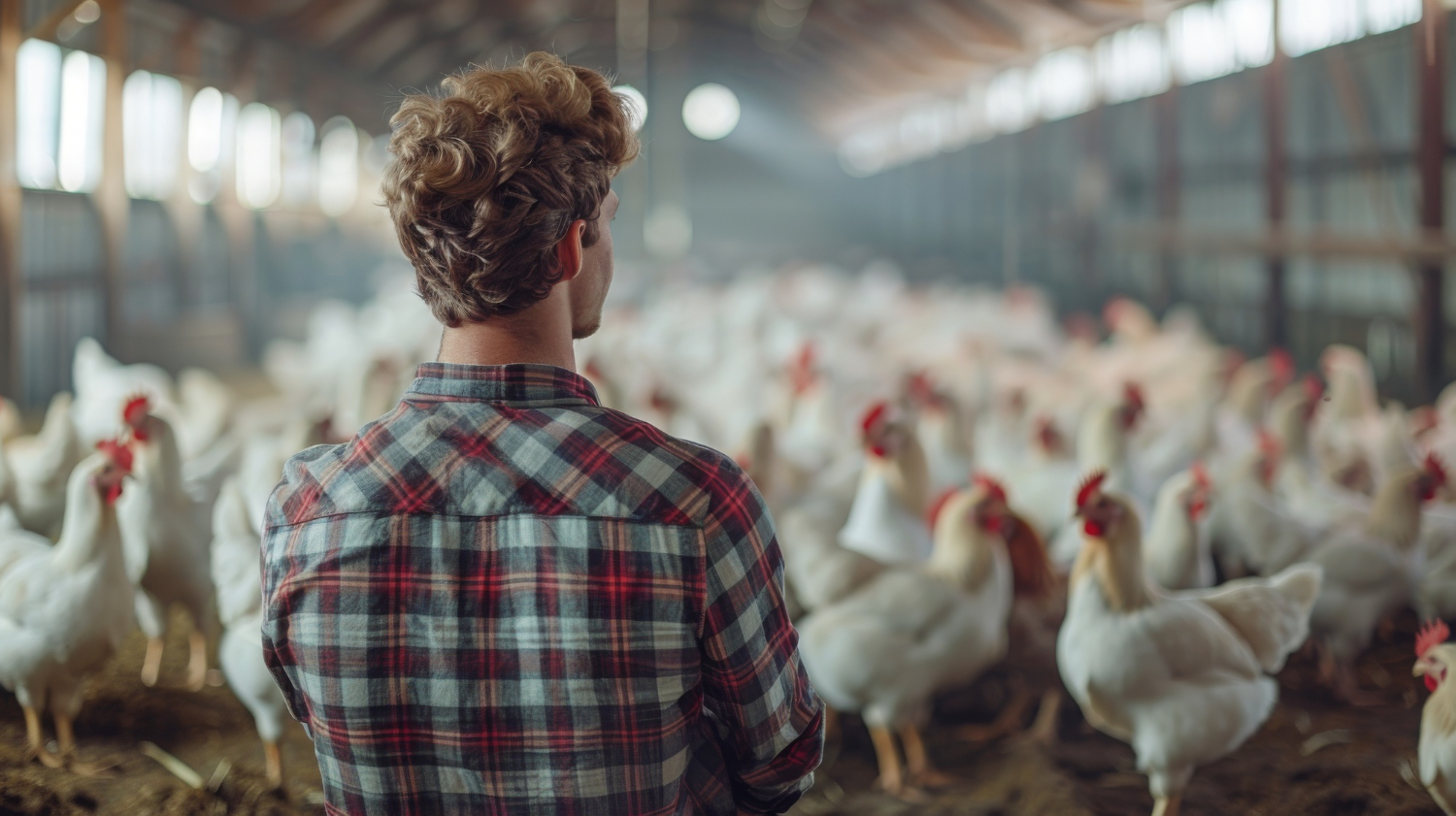

The Gaucho Mission Seeks to Expand Exports and Promote Innovation in Poultry Farming in Rio Grande do Sul During the Eats 2025 Fair Held in Chicago, United States
The poultry farming in Rio Grande do Sul gained international prominence with the participation of the state government in the Eats 2025 Fair in Chicago (USA), from October 28 to 30, according to a report published.
The event is recognized worldwide as one of the most relevant for the food processing and animal protein industry, bringing together companies and experts from various countries.
The presence of the Gaucho delegation reinforces the state’s commitment to expanding markets, strengthening the sustainability of production, and driving technological innovation in the poultry sector.
-
23-Year-Old Brazilian Turns Beekeeping into College Tuition, Harvesting Honey Twice a Year from 50 Hives

-
10-Year-Old Boy Persists After Being Told He’s Too Young, Now Helps Manage Brazilian Farm and Launches New Project
-
Chinese Farmers Develop “Blanket Greenhouses” to Grow Vegetables in Extreme Winter Without Heaters

-
Centuries Before Modern Greenhouses, English Gardeners Used Horse Manure to Grow Pineapples in Cold Climates




The official mission included representatives from the Secretariats of Agriculture, Livestock, Sustainable Production and Irrigation (Seapi) and Economic Development (Sedec), as well as the Gaucho Poultry Association (Asgav) and egg and meatpacking industries.
The Secretary of Agriculture, Edivilson Brum, highlighted that the sector is one of the pillars of the Gaucho agribusiness.
Only in 2024, Rio Grande do Sul exported chicken meat to 136 countries, generating US$ 1.26 billion, according to the Radiography of Gaucho Agriculture by Seapi.
Innovation and Technology Strengthen Sustainable Gaucho Poultry Farming
During the Eats 2025 Fair, the central goal of the delegation was to present innovative solutions and strengthen the exchange of knowledge with the international market.
Poultry farming in Rio Grande do Sul has stood out for its continuous pursuit of technologies that reduce environmental impacts and increase productive efficiency.
According to José Eduardo Santos, executive president of Asgav, this is a moment to consolidate the state’s image as a reference in quality and sustainability.
He emphasized that the Gaucho presence in Chicago represents an opportunity to intensify relationships with international partners and stimulate new forms of commercial cooperation, adding value to each link in the production chain.
Poultry Farming in Rio Grande do Sul: Expansion of Exports and Appreciation of Gaucho Agribusiness
The poultry sector is one of the main sources of income generation and jobs in the state, with thousands of families directly involved in production.
Poultry farming in Rio Grande do Sul has been conquering new markets through quality certifications, traceability, and sustainable practices demanded by global consumers.
Participation in the international fair also aims to attract investments for the modernization of meatpacking facilities and increase export capacity.
Focusing on efficiency and technology, the government’s strategy seeks to elevate the competitive standard of the sector, ensuring that Gaucho products maintain global recognition for excellence.
Institutional Cooperation and Strengthening International Relations
The official mission included the Secretary of Agriculture, Edivilson Brum, and his chief of staff, Joel Maraschin, representing Seapi. From Sedec, Roger Pozzi, general director, and Carolina Santana, international advisor, participated.
The group emphasized the importance of the union between government, industry, and class entities to promote the development of agribusiness.
Poultry farming in Rio Grande do Sul maintains a strategic role in the state and national economy, and its presence at an event like the Eats Fair reinforces the state’s position as a reference in innovation, sustainability, and exports in the animal protein sector.
With this initiative, the government reaffirms its commitment to strengthen the production chain and expand commercial opportunities in the international market.