






 Portuguese
  Spanish
  4 min of reading
  0 comments


Central Bank Sounds Alert Signal With New Law That Threatens Its Autonomy: “This Is the Work of a Banana Republic,” Says Journalist
Proposal Under Discussion in Congress Reignites Debate on Central Bank Autonomy, Threatens Economic Stability and Sparks Criticism from Experts Amid Political Interference Risk in One of the Country’s Most Important Institutions.
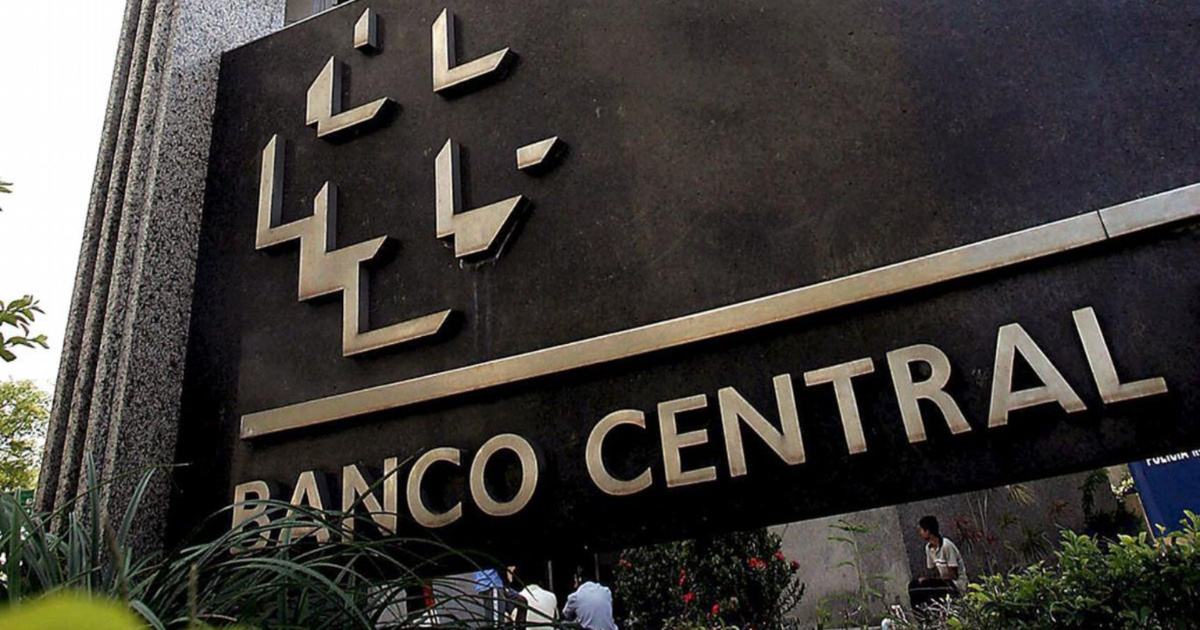
Four years after gaining formal autonomy, the Central Bank of Brazil is once again the target of a political clash in the National Congress.
Deputies and senators are discussing a proposal that expands the grounds for the dismissal of the president and directors of the institution, reducing the guarantees of independence established in 2021.
According to journalist Leonardo Sakamoto, this offensive represents a concrete risk to economic stability.
-
Brazil’s BNDES Allocates $65 Million to Fund 85,000 E-Bikes for App-Based Delivery Workers, Offering Purchase Discounts and Leasing Options to Boost Income and Improve Delivery Operations

-
JBS Invests Nearly $160 Million in Texas Megaproject to Expand Beef Production and Operations Through 2027

-
The urgent need to implement a severe cut in public spending and a massive increase in taxes, in addition to drastically compromising the quality of basic services and the purchasing power of the population, could result in social unrest in the country, with the population leading protests, strikes, and frequent disturbances.
-
FIRJAN’s mega plan of R$ 526.3 billion for Rio de Janeiro aims to revive Brazil’s largest industry, with two-thirds of the investments going to oil and gas.



“This Is the Work of a Banana Republic,” he stated, referring to the possibility of parliamentarians approving rules that weaken the leadership of the monetary authority.
What Is at Stake in Congress
The autonomy of the Central Bank was approved in February 2021, during Jair Bolsonaro’s government.
The law set four-year terms for the president and directors, not coinciding with the presidential term, precisely to reduce political pressures.
Dismissals can only occur in specific situations, such as a judicial conviction, resignation, insufficient performance, or severe illness.
The new project under discussion in Congress, however, seeks to broaden the situations in which these leaders could be removed, allowing for broader interpretations.


According to critics, this would allow for interference from momentary political or economic interests in the conduct of monetary policy.
For Sakamoto, the movement of the legislature gained momentum after the Central Bank blocked Mastercard’s acquisition by the Bank of Brasília, a decision that contradicted the interests of political groups.
“We don’t know exactly what is driving Congress at this moment. What is evident is that after the Central Bank denied the operation, an offensive to relax the rules for the president and directors’ permanence arose,” he explained.
Financial Market on Alert
Historically, changes in the perception of the Central Bank’s autonomy tend to have a strong impact on the financial market.
During the 2022 election campaign and in the early months of Lula’s government, criticisms from the president against then-head of the institution, Roberto Campos Neto, prompted immediate reactions in the dollar, interest rates, and the stock market.
Sakamoto recalled that, even without concrete actions to dismiss him, Lula’s criticisms were sufficient to increase tension among investors.
“The market would get nervous when Lula criticized, even without taking concrete measures to remove him. It was as if he just moved a lavender soap from the shelf, and investors reacted excessively,” he said, ironically.
The difference, according to the journalist, is that now there is a legislative offensive with the potential to produce real changes.
“The risk is much greater because we are talking about rules that can be approved, not just speeches. This creates much greater insecurity, and the major market players still need to react accordingly,” he assessed.
The Importance of Predictability in the Economy
The credibility of the Central Bank is seen as one of the pillars of the Brazilian economy since the establishment of the inflation targeting regime in 1999.
The monetary authority must convey predictability in its decisions regarding interest rates, exchange rates, and regulation of the financial system.
For Sakamoto, any sign of institutional fragility compromises this trust.
“Credibility means predictability, ethics, posture — including in the way of communicating. When this foundation is shaken, the entire system suffers,” he stated.
He also compared the current situation with recent episodes of attacks on regulatory institutions, such as the spread of misinformation about Pix and the political pressures surrounding the regulation of fintechs.
“Just as in that episode, we now see an attempt to use political pressures to interfere in regulatory institutions. It’s the same tactic: withdrawing autonomy through law. And this is concerning,” he said.
Political and Economic Consequences
If autonomy is reduced, the effects can be felt on different fronts, the journalist explained. Foreign investors tend to demand higher returns to invest resources in countries with institutional instability.
This means higher interest rates, lower capital flows, and consequently, an impact on economic growth. Additionally, domestic confidence may also be affected.
Businesspeople and consumers make decisions based on expectations regarding inflation, credit, and exchange rate stability.
Drastic changes in the rules of the game increase uncertainty. In the political sphere, Sakamoto assesses that the parliamentary offensive may have multiple objectives.
“Congress may be acting out of specific interests from groups that feel harmed, or simply to create additional difficulties for the Lula government in this final stretch of its term,” he noted.
International Comparison
The independence of central banks is a recurring topic in democracies. Institutions such as the Federal Reserve in the United States and the European Central Bank have strong shielding against political interference.
In emerging countries, however, there are still frequent attempts by governments or parliaments to directly influence monetary decisions.
By weakening the newly acquired autonomy, Brazil could distance itself from best international practices, which would reduce its credibility among global investors.
“A change of this nature affects Brazil’s predictability in the international scenario. Investors need to trust the rules of the game. Without that, the country loses competitiveness and pays more to attract capital,” Sakamoto explained.





-

1 person reacted to this.