Portuguese
  Spanish


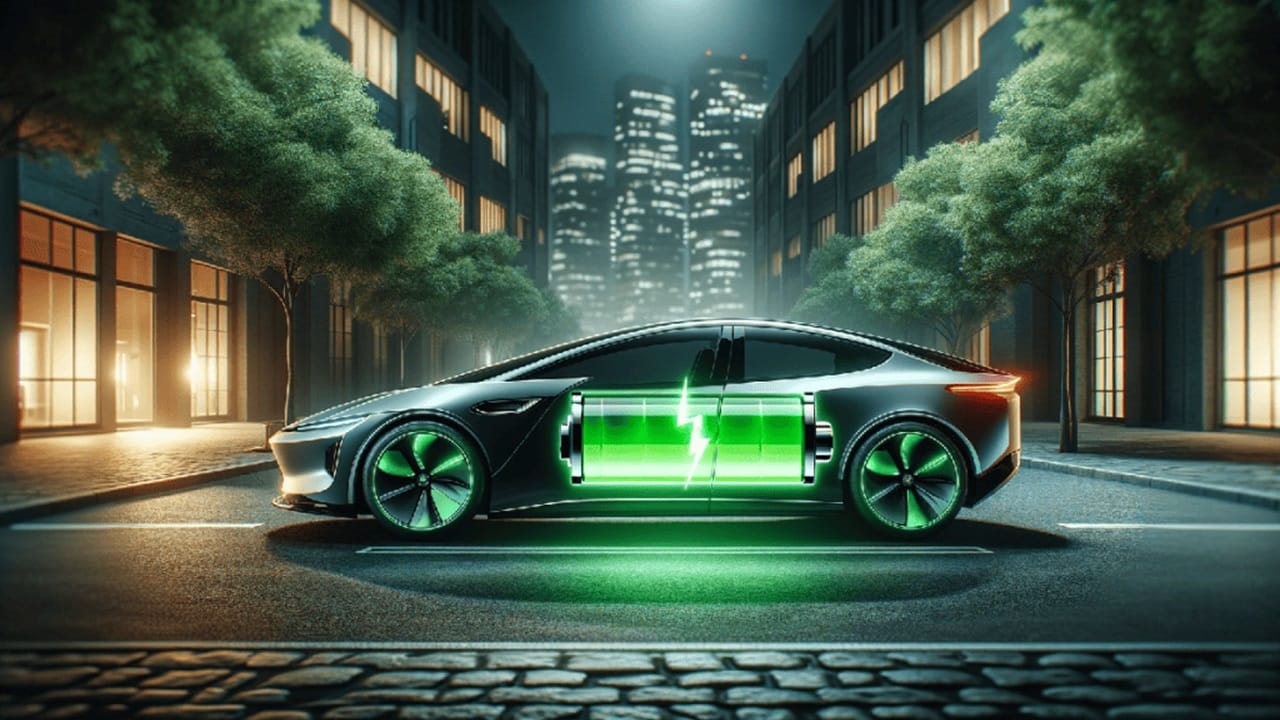

Solid Lithium Battery: Fast Charging and Exceptional Durability Transform the Automotive Industry
According to the website Olhar Digital, recently, the Harvard School of Engineering and Applied Sciences conducted an innovative research that is about to revolutionize the electric vehicle automotive industry. The renowned scientists at the institution developed a lithium battery with the incredible ability to be charged and discharged up to six thousand times in just ten minutes.
This promising discovery, which promises to transform the future of electric vehicles, opens new possibilities for the efficiency and durability of batteries in this sector.
Challenges Overcome: Harvard Faces Obstacles to Create More Efficient Lithium Battery
The journey toward the creation of the solid lithium battery was filled with challenges for Harvard researchers. Facing obstacles, mainly related to the formation of dendrites on the anode surface, the team did not let themselves be deterred. By utilizing silicon particles, they were able to overcome these barriers, achieving a remarkably more durable and efficient battery. Explore how this technological advancement can have significant positive impacts on the automotive industry of electric vehicles.
-
Spain Launches World’s Largest Floating Dry Dock: 56-Meter Giant Produces Massive Concrete Structures in A Coruña Using Technology Proven in Brazil

-
AI-powered toys that talk, recognize faces, and collect data face scrutiny from Brazilian government over children’s privacy concerns

-
4,000-Year-Old Child’s Skull Unveils Ancient Burial in 7,500-Year-Old Norwegian Rock Shelter, Impressing Archaeologists

-
Norway Defeats Brazil in World Cup but Invests Billions to Preserve the Amazon, Strengthens Amazon Fund, and Joins Brazil in Leading Global Effort Against Tropical Deforestation





Exceptional Durability: Solid Lithium Battery Keeps High Performance
The solid lithium battery developed by Harvard has demonstrated exceptional performance. By using silicon particles at the negative pole to prevent dendrite formation, the battery maintained 80% of its original capacity after six thousand cycles of discharge and charge. This result not only surpasses other existing solid batteries but also opens doors for the creation of smartphone-sized batteries. Explore the possibilities of this revolutionary invention.
Durability is a central concern in the development of batteries for electric vehicles, and Harvard’s research offers a promising solution. With the use of silicon particles at the negative pole, the battery maintained 80% of its original capacity after six thousand cycles of discharge and charge.
This discovery not only surpasses other existing solid batteries but also points to the possibility of developing smartphone-sized batteries in the future. Discover how this development can influence the automotive landscape of electric vehicles in the coming years.