Portuguese
  Spanish


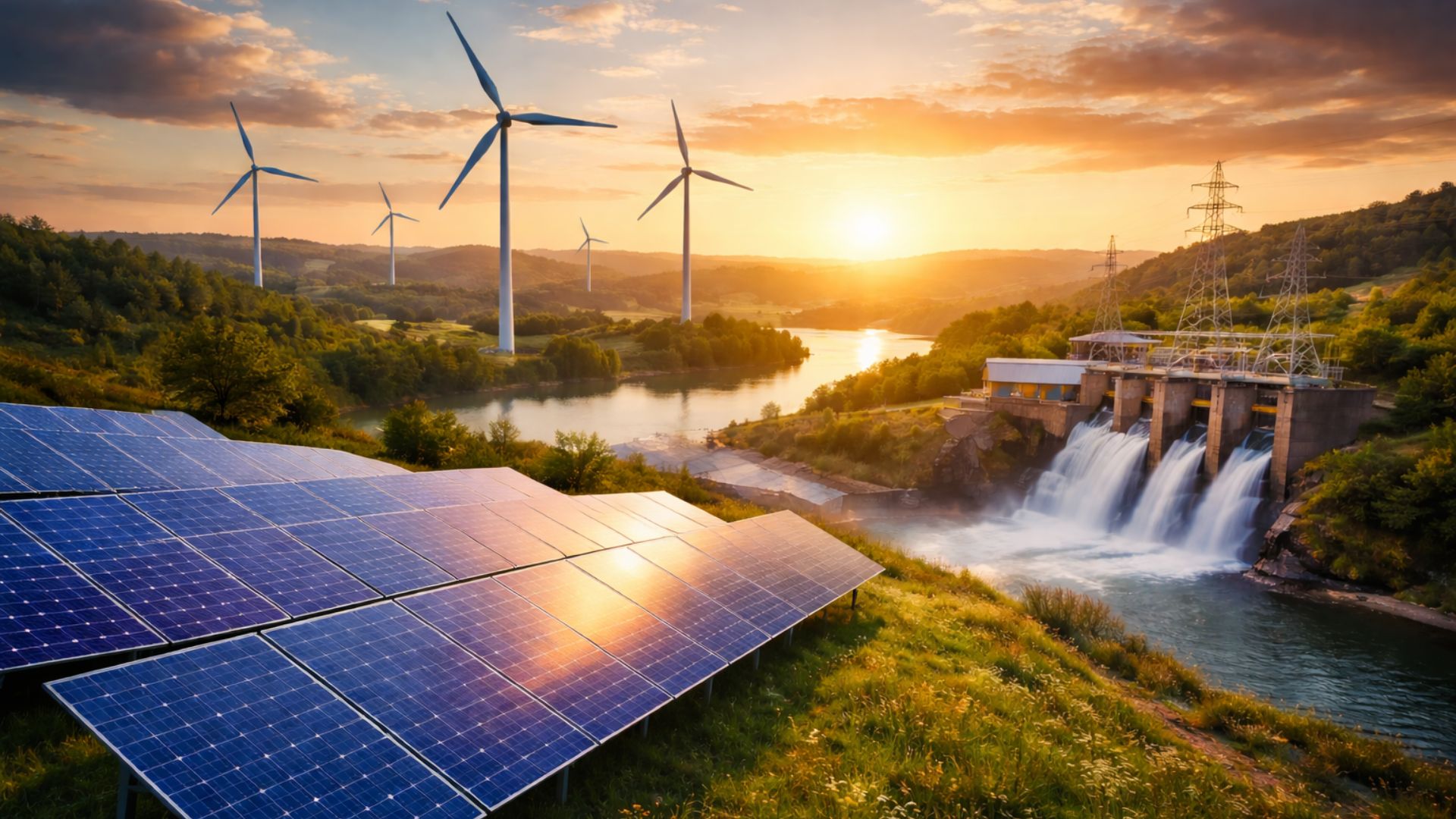

BBCE Ends 2025 With Significant Growth in Negotiated Renewable Energy, Strengthening the Free Market and Accelerating the Energy Transition in Brazil, With Data Indicating Maturity and Sustainable Progress in the Electric Sector.
In 2025, BBCE (Brazilian Energy Trading Center) closed the year with R$ 11.6 billion in negotiated renewable energy, establishing a new milestone for the national electric sector and reinforcing the progress of the free market and the energy transition in Brazil.
According to a statement released by BBCE on February 5, 2026 on its website, the data represents a significant jump compared to 2024, when the financial volume was R$ 6.91 billion, highlighting not only economic growth but also structural maturation of clean electricity negotiations in the country.
Over 47 Thousand GWh of Negotiated Renewable Energy Were Traded in 2025
Right at the beginning of the analysis, the figure draws attention due to its direct impact on the sector’s dynamics: the value nearly doubled in just one year, even with a reduction in the number of contracts signed. This behavior indicates that the negotiation environment has become more strategic, concentrating larger and more financially relevant operations.
-
Green Hydrogen Projects in Northeastern Brazil Stalled for 18 Months Awaiting Government Decree, Delaying Billions in Investments

-
Brazil Concludes Largest Energy Auction in History, Secures 18.97 GW and Mobilizes $12.8 Billion to Ensure Supply Until 2031
-
How Norway Produces More Energy Than It Consumes with Nearly 1,800 Hydropower Plants and Over 1,100 Reservoirs

-
Axia Energia Invests $280 Million in Q1, Increases Investments by 36%, and Turns Loss into $740 Million Profit


At the same time, it shows that electricity from sustainable sources is no longer an alternative and has begun to play a central role in the Brazilian energy economy.
In addition to the financial amount, the traded energy volume also remained robust. A total of 47,098 GWh was sold in 2025, a figure similar to that recorded in 2023 and higher than what was observed in 2024.
This balance between stable volume and financial growth reinforces the consolidation of a more mature and predictable market, capable of attracting investors and strengthening decarbonization policies.
BBCE Boosts Negotiated Renewable Energy and Redefines the Electric Trading Scenario
The performance of BBCE in 2025 highlights a significant change in how electricity is traded in Brazil. The growth in financial value is directly linked to the increased confidence of economic agents and the expanded participation of wind, solar, small hydropower plants, and cogeneration sources. This combination of energy diversity and financial volume reinforces the perception of security and stability in the sector.
Furthermore, the advance demonstrates that negotiated renewable energy has ceased to be a niche and now represents an increasingly important share of operations. The digital and transparent environment of the platform contributes to faster and more efficient negotiations. Consequently, companies find better conditions for cost predictability and long-term planning.
Another determining factor is the growing corporate interest in sustainable contracts. Large consumers seek not only savings but also alignment with environmental goals and ESG indicators. This movement transforms clean energy into a strategic asset, increasing corporate competitiveness and driving new investment opportunities in the Brazilian electric sector.
Free Market Presents More Robust Contracts and Strategic Negotiations
Although the number of contracts decreased from 6,888 in 2024 to 6,315 in 2025, the financial result indicates qualitative evolution of operations. Fewer contracts do not signify a contraction but rather a concentration on agreements of greater value and duration, a typical characteristic of mature markets.
In the free market, companies seek supply security, price predictability, and contractual flexibility. This dynamic favors broader negotiations, with high energy volumes and more advantageous conditions for both parties. Thus, the environment becomes more professional and structured, distancing itself from the volatility observed in previous periods.
Moreover, the reduction in the number of contracts may be associated with strategies for business consolidation and reviews of energy portfolios. Many companies opted for longer and financially robust agreements, which increased the total negotiated value. This behavior reinforces the perception of stability and credibility of the Brazilian trading system.
Clean Energy Gains Ground and Consolidates Economic Protagonism
The increase in the financial volume of energy from renewable sources demonstrates that the sector has ceased to be solely environmental and has also become economic. Clean energy has become a real competitive advantage for both industries and investors.
This protagonism is related to the gradual decrease in the costs of solar and wind generation, technological advancements, and an increased supply of sustainable projects. Additionally, international interest in green investments has directed capital toward emerging markets with great expansion potential, such as Brazil.
Confidence in the segment is also reflected in the stability of the volumes traded. Even amid regulatory fluctuations and operational challenges, the sector maintained consistent trading levels. This balance indicates maturity and reinforces the credibility of the national energy business environment.
Brazilian Energy Transition Advances With Volume Stability and Financial Growth
The performance observed in 2025 demonstrates that the energy transition in Brazil depends not only on the increase in contracts but also on the quality and value of the negotiations. The volume of negotiated renewable energy remained high while the financial amount reached record levels. This scenario indicates structural solidity and a continuity of sustainable expansion.
However, the period also recorded an intensification of the so-called curtailment, a phenomenon that occurs when there is a need to limit generation due to technical restrictions or excess supply. Nevertheless, the impact did not compromise financial growth or the relevance of operations. On the contrary, the sector demonstrated adaptability and resilience in the face of operational challenges.
Another relevant point is the strengthening of public policies and incentives aimed at decarbonization. Companies and consumers have begun to see sustainability as a strategic factor rather than merely reputational. This mindset shift accelerates investments and expands the reach of clean sources in the country.
Incentivized Energy Trading Evolution and Maturation of the Electric Sector
Data indicates that 2023 saw the peak of contracts and volumes, followed by an adjustment in 2024 and stabilization in 2025. This trajectory reveals a natural cycle of market maturation. What was once rapid expansion has transformed into strategic consolidation, focusing on efficiency and quality of negotiations.
The incentivized energy trading evolved significantly, driven by digitization, increased transparency, and integration among agents. Additionally, the professionalization of operations has contributed to reducing risks and enhancing revenue predictability. This advancement strengthens the competitive environment and stimulates new investments in infrastructure and technological innovation.
Another important factor is the alignment of the sector with international sustainability standards. Brazil is positioning itself as a highlight in clean energy trading, increasing partnership opportunities and attracting foreign capital. The combination of these elements shows that the financial growth recorded is not isolated but part of a long-term structural movement.

What BBCE Numbers Reveal About Brazil’s Energy Future
The financial result achieved in 2025 represents more than an isolated record. It signals a change in how the country produces, trades, and consumes electricity. The combination of volume stability, revenue growth, and institutional strengthening shows that the Brazilian electric sector is moving toward a more sustainable and competitive model.
The consolidation of larger contracts, the prominence of renewable sources, and the growing interest from investors indicate a continuity of expansion in the coming years. Furthermore, the pursuit of energy efficiency and emission reductions will further enhance the relevance of sustainable negotiations.
The record shows that Brazil is increasingly aligned with global demands for clean energy, creating a favorable environment for innovation, job creation, and economic development. Thus, BBCE’s performance in 2025 not only reflects significant numbers but symbolizes the strengthening of a new energy paradigm based on sustainability, predictability, and continuous growth.