






 Portuguese
  Spanish


Before becoming CEO of Starbucks, Laxman Narasimhan wore the green apron and trained as a barista for about six months. He promised to pull a shift in the store every month, a leadership gesture designed to keep the top connected to the reality of the counter. But the script did not end as planned.
Imagine the future president of one of the largest chains in the world learning to pull espresso and make frappuccino behind the counter. This is exactly what Laxman Narasimhan did before sitting in the highest chair at Starbucks: instead of going straight to the boardroom, he spent months in an apron, learning the trade from those who serve the customer every day. The question this case raises is simple: why would an executive of this stature choose to start on the shop floor?
According to the The Washington Post, the answer lies in a management bet on proximity. Upon taking command in March 2023, replacing Howard Schultz, the new CEO of Starbucks announced in a letter to employees that he would continue working part-time per month in a store, and urged the entire leadership team to also stay connected to the reality of the counter.
Six months in an apron before the CEO chair
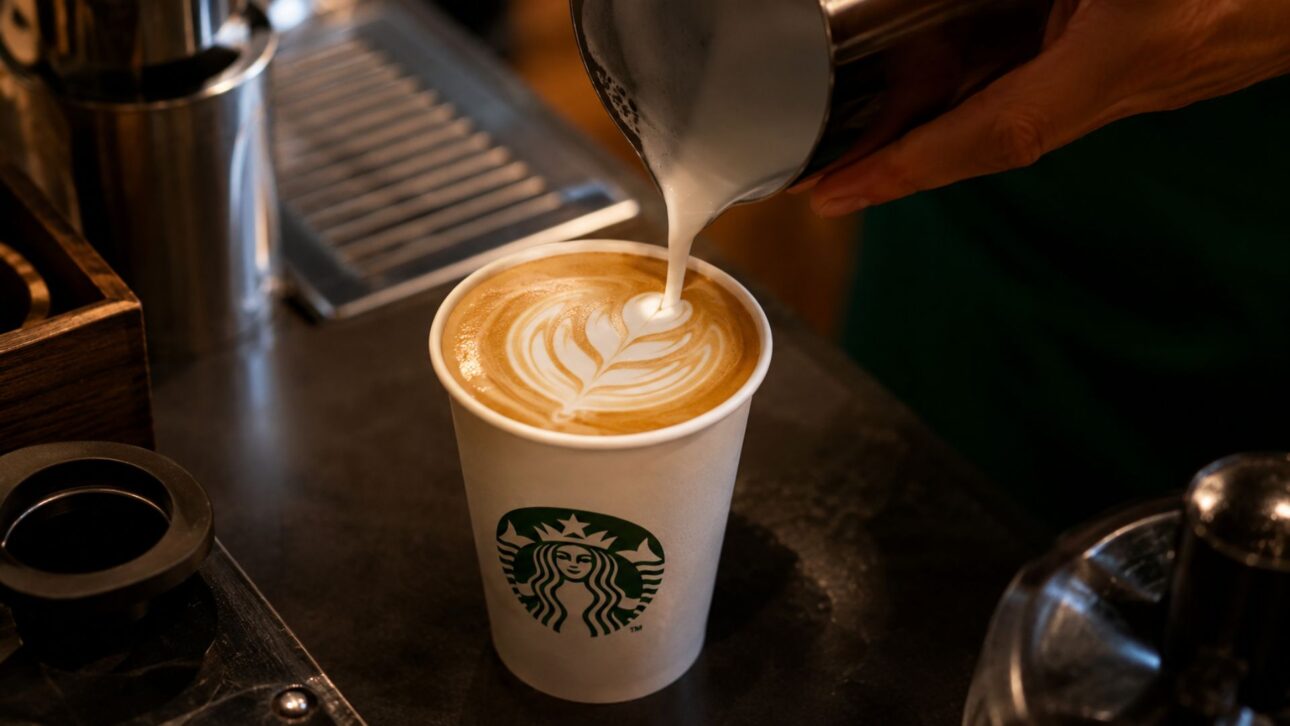
Before officially taking over, he spent about six months preparing for the position, a period that included dozens of hours of formal barista training and wearing the iconic green apron of the chain. The idea was to understand, in practice, what operational adjustments the company needed to make, based on the premise that only those who truly operate the machine see where the process stalls.
-
Lufthansa CEO Jens Ritter Takes on Flight Attendant Role, Uncovers Overlooked Issue in Economy Class

-
7-Year-Old Estela Wins Ballet Qualifier; Family Crowdfunds for Argentina Finals in October

-
After Selling Meetup for $200 Million, Founder Scott Heiferman Spent Nine Months Working at an Amazon Distribution Center to Reconnect with the Everyday Worker
-
The Atlantic Journalist Given $10,000 to Bet on NFL Season Ends Experiment as Compulsive Gambler with Just $109 Left, Family Says


This type of preparation reverses the usual logic of the succession of a CEO at Starbucks or any giant company. Instead of arriving with a ready-made plan in presentations, Narasimhan wanted first to feel the weight of the tray, the rhythm of the line, and the pressure of a peak hour. By training as a barista before managing the baristas, he tried to build authority not only through his position but through experience, showing that he knew the work he would demand from thousands of employees worldwide.
Who is Laxman Narasimhan
To understand the choice, it helps to know the trajectory of the one who made it. Laxman Narasimhan is a global career executive, with stints at major consumer corporations before arriving at the coffee chain, including years in senior positions at companies like PepsiCo and the consumer goods group Reckitt. He was, therefore, an experienced manager in mass brands when he was chosen for one of the most visible positions in global retail, that of CEO of Starbucks.
His arrival had an extra symbolic weight because of whom he was replacing. Narasimhan took over the position left by Howard Schultz, the historical figure who transformed Starbucks into a cultural phenomenon and who had returned to the company on an interim basis. Taking the baton from a name so identified with the brand required the new CEO of Starbucks to make a strong gesture of identification with the company’s culture, and the barista apron was the way he found to signal this right from the start.
The promise of the monthly shift in the store
The most talked-about commitment, however, was not the training, but what would come after it. In an open letter to employees, Narasimhan promised to continue working part-time every month in some unit of the network, turning the stint at the counter into a routine, not an isolated event. The promise of a shift in the store per month served as an anchor, a way for the CEO of Starbucks to obligate himself to periodically feel what the customer and the employee feel, instead of governing only by reports.
More than a personal vow, he extended the expectation to the entire leadership. In the same message, he made it clear that he expected each member of the leadership team to also maintain direct contact with the reality of the stores, to fuel discussions and improvements. It was an attempt to institutionalize operational humility, making the shift in the store not a whim of an executive, but a leadership principle to be followed by all the company’s leaders.
Why a CEO of Starbucks becomes a barista
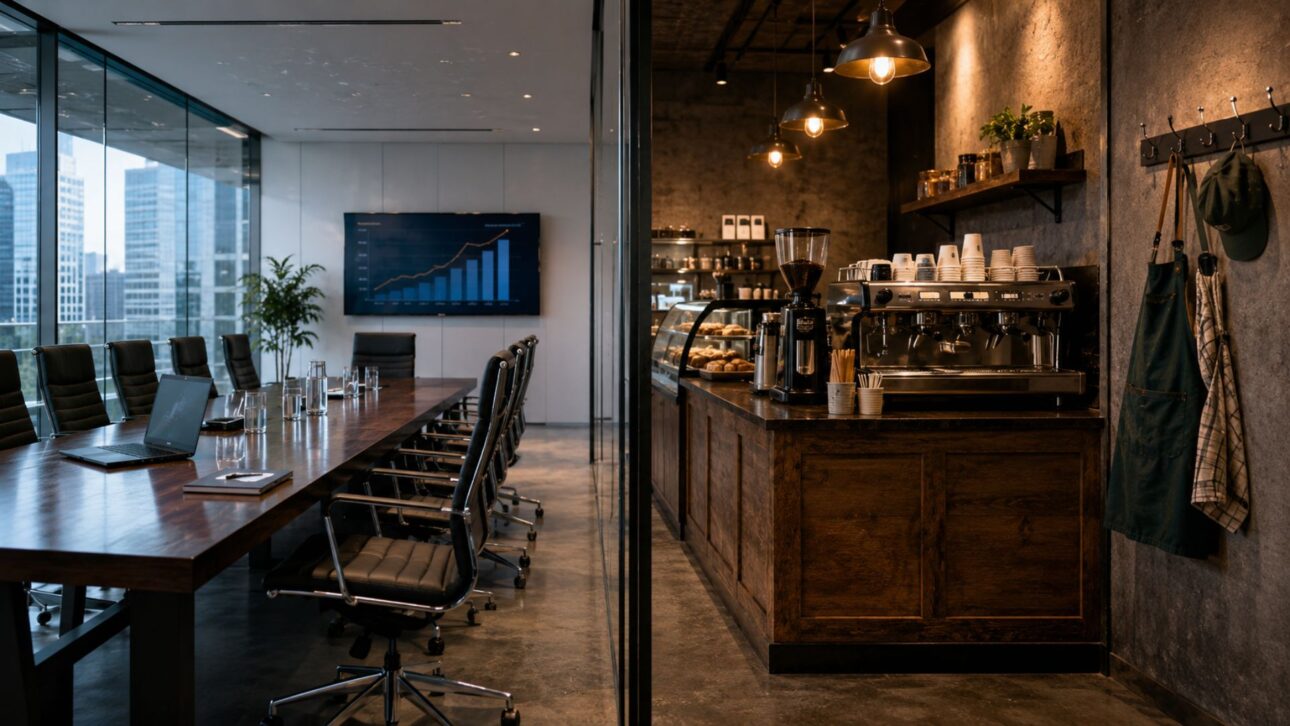
Those who decide on menu, goals, and technology rarely feel, firsthand, the effect of these decisions at the front line, where a poorly positioned button or an unrealistic goal turn into queues, stress, and irritated customers. By taking a shift in the store, the CEO of Starbucks exposes himself precisely to this invisible layer of operation, capturing frictions that no performance spreadsheet could reveal with the same clarity.
There is also a cultural and internal messaging component that cannot be ignored. In a company that has always sold the image of treating its partners well, as it calls its employees, seeing the number one in an apron sends a message of valuing grassroots work. For the brand’s leadership discourse, few images are as effective as that of the CEO of Starbucks behind the coffee machine, sharing the same counter with the hourly-paid barista.
The skepticism: real gesture or image play?
Not everyone, however, bought the act without suspicion. As pointed out by the magazine Fortune, the gesture came amid a tense wave of unionization in Starbucks stores, and much of the base was not charmed by the new boss’s apron. For many employees, one shift in the store per month sounded like cheap symbolism in the face of concrete issues like wages, schedules, and the recognition of the right to organize in a union.
The criticism has a legitimate basis and deserves space in an honest reading. Working half a day per month, knowing that one can return to the comfortable president’s office at any moment, is very different from depending on that salary to live. For this reason, some observers treated the initiative as an image play, a way for the CEO of Starbucks to appear close to the workers without necessarily addressing the demands that mattered most to them.
The shift that did not prevent the fall
The irony of the story is that all this symbolic proximity did not guarantee the success of the management. About seventeen months after taking over, in August 2024, Narasimhan was replaced at the helm of Starbucks, amid disappointing financial results and pressure for a turnaround in the numbers. The green apron and the promise of a shift in the store were not enough to hold the position, and the company brought in Brian Niccol, former president of Chipotle, to try to recover performance.
This outcome offers the hardest lesson of the case. As valuable as it is to know the shop floor, a CEO is ultimately judged by sales, profit, and strategy, and no gesture of empathy replaces these results. Narasimhan’s lightning-fast tenure shows that leading by example is important, but not enough on its own, and that staying in touch with the counter does not immunize an executive from the relentless demands of the market.
What the case of the Starbucks CEO barista shows
Laxman Narasimhan’s story is rich precisely because it supports both interpretations at the same time. It shows the admirable side of a Starbucks CEO who trains as a barista and obliges himself to a shift in the store to not lose touch with reality, an example of leadership that many executives should emulate. But it also shows the limits of the gesture, because the same proximity that yields a good image does not, by itself, resolve either the demands of the employees or the pressure for results that ultimately cost him his job.
The true learning lies in the balance between symbol and substance. Wearing the apron is a great start, but it only becomes true leadership when it translates into concrete decisions that improve the lives of those at the counter and the company’s performance. Even so, few cases summarize so well the distance between seeming close and being effective: it took a Starbucks CEO taking a shift in the store to make headlines, and weak results were enough for the same apron not to prevent his departure.
And you, do you think seeing the boss behind the counter really changes anything or is it just a good photo for the press? Comment here if you would like the president of the company where you work to spend a shift in the store doing your job, like the Starbucks CEO did.


