






 Portuguese
  Spanish
  4 min of reading
  0 comments


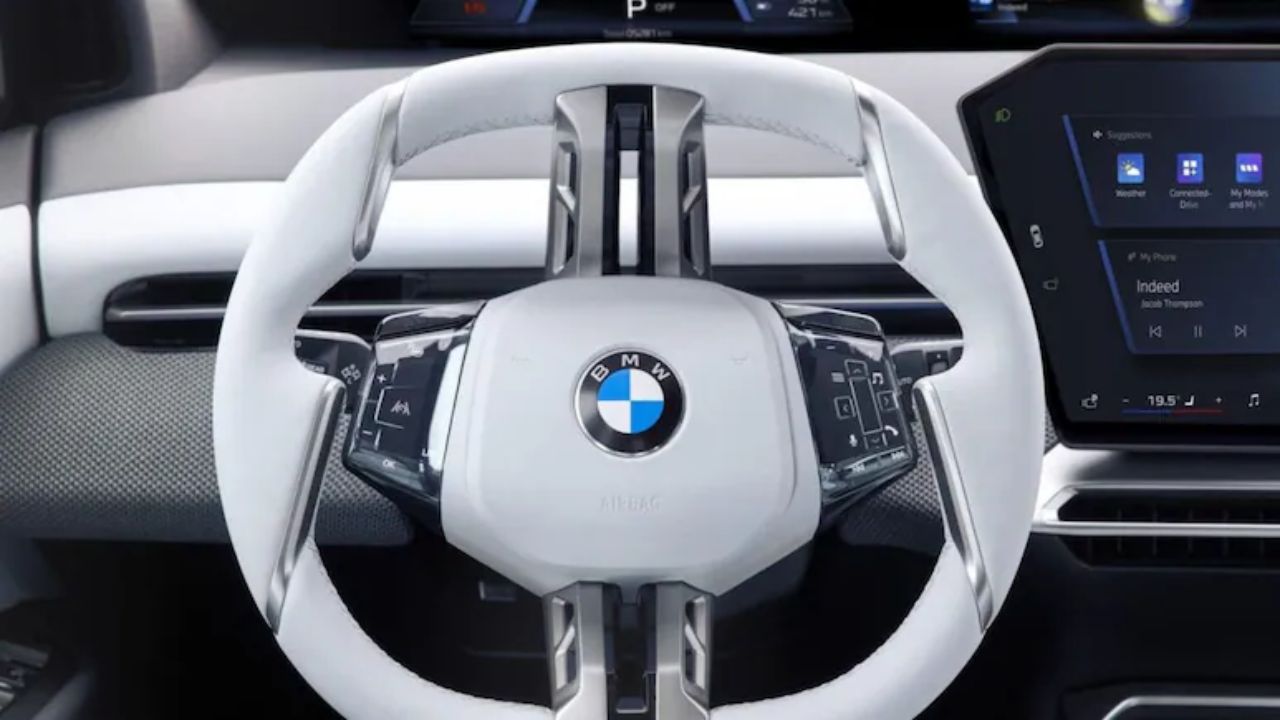
After Recall of 1.5 Million Brakes, German Giant BMW Calls Owners Due to Defect That Can Cause Fire in Starter Motor.
The BMW faces a new and serious quality crisis, recalling at least 331,000 vehicles globally due to a defect in the starter motor that poses a fire risk. The measure, confirmed by the German automaker on Friday and reported by the NDTV portal, deepens the challenges faced by the brand, which is still dealing with the repercussions of recent failures in its high-end products.
This setback adds to a massive recall of 1.5 million cars the previous year, related to defective brake systems. The accumulation of costly failures has already led the company to issue a profit warning, calling into question the manufacturer’s reputation for reliability at a crucial moment of transition to electrification and intensified competition in the global market.
Understand the Failure: Why BMW Cars Can Catch Fire?
The technical problem that prompted the massive recall is located in a component essential for the vehicle’s operation: the starter motor. According to the BMW statement, the failure allows water to infiltrate the component in models manufactured between 2015 and 2021. This moisture can lead to internal corrosion of the parts, creating the ideal conditions for an electrical short circuit.
-
Two new 300cc models from QJ Motor are expected to arrive in Brazil as SBM to target the CB 300F and shake up the low-displacement market, with more power and liquid cooling than Honda.

-
Camaro may reappear in 2027, but not as you remember: Chevrolet prepares the return of the icon with four doors, manual transmission, and an extreme performance version to face the new era of sports cars.

-
Is the BYD Song Pro worth it? The Anderson Sincero channel says it doesn’t exceed R$ 140,000, and the price dropped by R$ 47,000, reinforcing the depreciation of the plug-in hybrid in the Fipe table.
-
Caoa Changan CS75 arrives for R$ 199,990 with 4.77 m in length, a trunk of up to 1,620 liters, 8-speed Aisin transmission, 180 hp, 37.2 inches in screens, and Zero Gravity seat with massage.


In the “worst-case scenario,” as described by the company itself, this short circuit can overheat the system and cause a fire in the engine compartment. Given the gravity of the risk, BMW issued an urgent recommendation to owners of the affected vehicles: park the cars outdoors and at a safe distance from buildings and other structures until repairs are completed. The repairs will be free of charge, and the automaker will replace the starter motor and, in a “small number of vehicles,” also the battery.
The Global Impact of the Recall and the Costs Involved
Although BMW has not disclosed the total number of affected vehicles worldwide or the estimated cost of the operation, partial data already reveals the scale of the problem. As detailed by NDTV, the recall includes 195,000 vehicles in the United States and another 136,000 in Germany, the two largest markets involved so far. The absence of a global figure suggests that the numbers may increase as other national subsidiaries assess their inventories.
This episode is not an isolated case. It comes shortly after BMW was forced to recall 1.5 million cars due to a defect in brake systems manufactured by Continental AG. The recurrence of safety issues in such a significant volume of units has a direct financial impact, reflected in the profit warning issued by the company. More than the cost of repairs, the main damage is concentrated on the image of a brand that built its reputation on the promise of superior engineering and reliability.
Critical Moment: Competition and the Bet on Electrics
The recall crisis strikes BMW at a moment of strategic vulnerability. The automaker is undergoing a profound restructuring of its product line, investing over £10 billion (about R$ 64 billion) in the “Neue Klasse” platform, its major bet to compete in the electric vehicle market. The recent launch of the electric SUV iX3 at the Munich Motor Show was a crucial step in this direction.
However, while BMW tries to project an image of innovation with advanced software and greater battery range, quality issues in its combustion fleet undermine this narrative. The situation is worsened by the rise of Chinese competitors like BYD, who not only dominate the mass market in China but also expand their presence in Europe with affordable and technologically advanced electric vehicles. The struggle to regain market share in China and defend at home becomes much more difficult when the reliability of the brand is publicly questioned.
The repetition of serious failures in a short period raises questions about BMW’s quality control at one of the most competitive moments in the automotive industry. While the brand bets billions on its electric future, consumer confidence in its current products is put to the test.
Are you a BMW owner or considering the brand for a future purchase? Do you think these recalls affect your trust in German engineering? Share your opinion in the comments; we want to hear from those who experience this firsthand.


-

1 person reacted to this.