Portuguese
  Spanish


BNDES Approves Financing Of R$ 1 Billion For Atlas Renewable Energy To Build 11 Photovoltaic Plants In Arinos (MG). Project Foresees Operation In 2026 And Generation Of 2,100 Jobs.
On last Monday, 07/28, the National Bank for Economic and Social Development (BNDES) approved financing of R$ 1 billion intended for the construction of 11 photovoltaic plants by Atlas Renewable Energy, in Arinos, in the northwest of Minas Gerais. The investment, recently announced, aims to accelerate solar energy generation in the country and strengthen the commitment to a more sustainable energy matrix. The forecast is that construction will begin soon and the operation of the complex will start in the first half of 2026.
Solar Complex Draco: Clean Energy With Job Generation
The project, named Solar Complex Draco, will have an installed capacity of 505 MWac (579 MWdc) and is expected to generate 2,100 jobs during the implementation phase.
According to the company, the energy produced will be marketed in the Free Contracting Environment (ACL), serving large consumers who choose to negotiate their own energy.
-
Brazilian scientists are simultaneously advancing two research projects on clean hydrogen and driving solutions that could transform the energy matrix, enhance industrial competitiveness, and accelerate large-scale emission reduction targets.

-
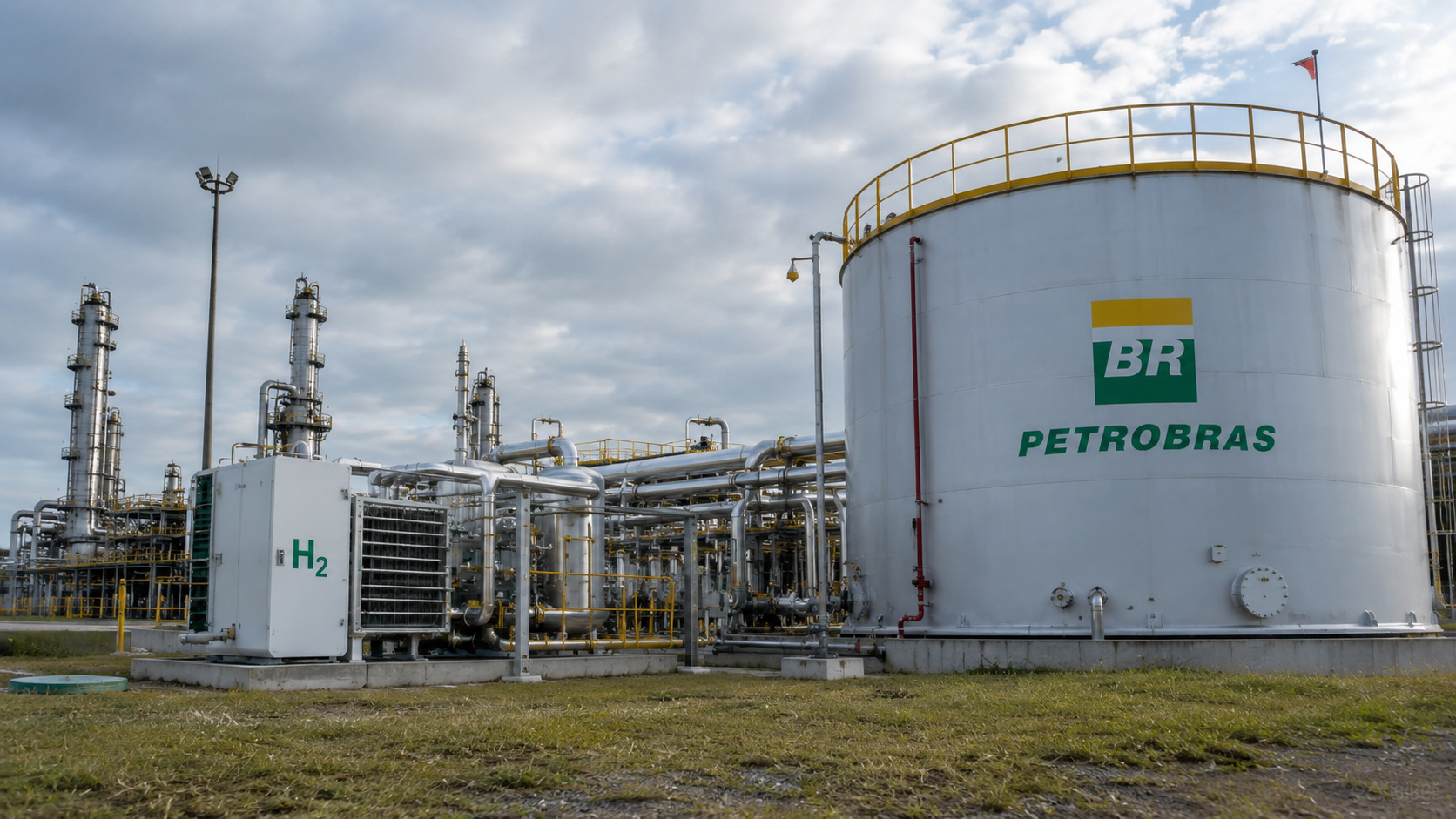
Advancement in renewable energy: A R$ 150 million project launched by Petrobras and Finep aims to create state-of-the-art electrolyzers for green hydrogen, strengthening national research and preparing Brazil to compete in a billion-dollar energy market.
-
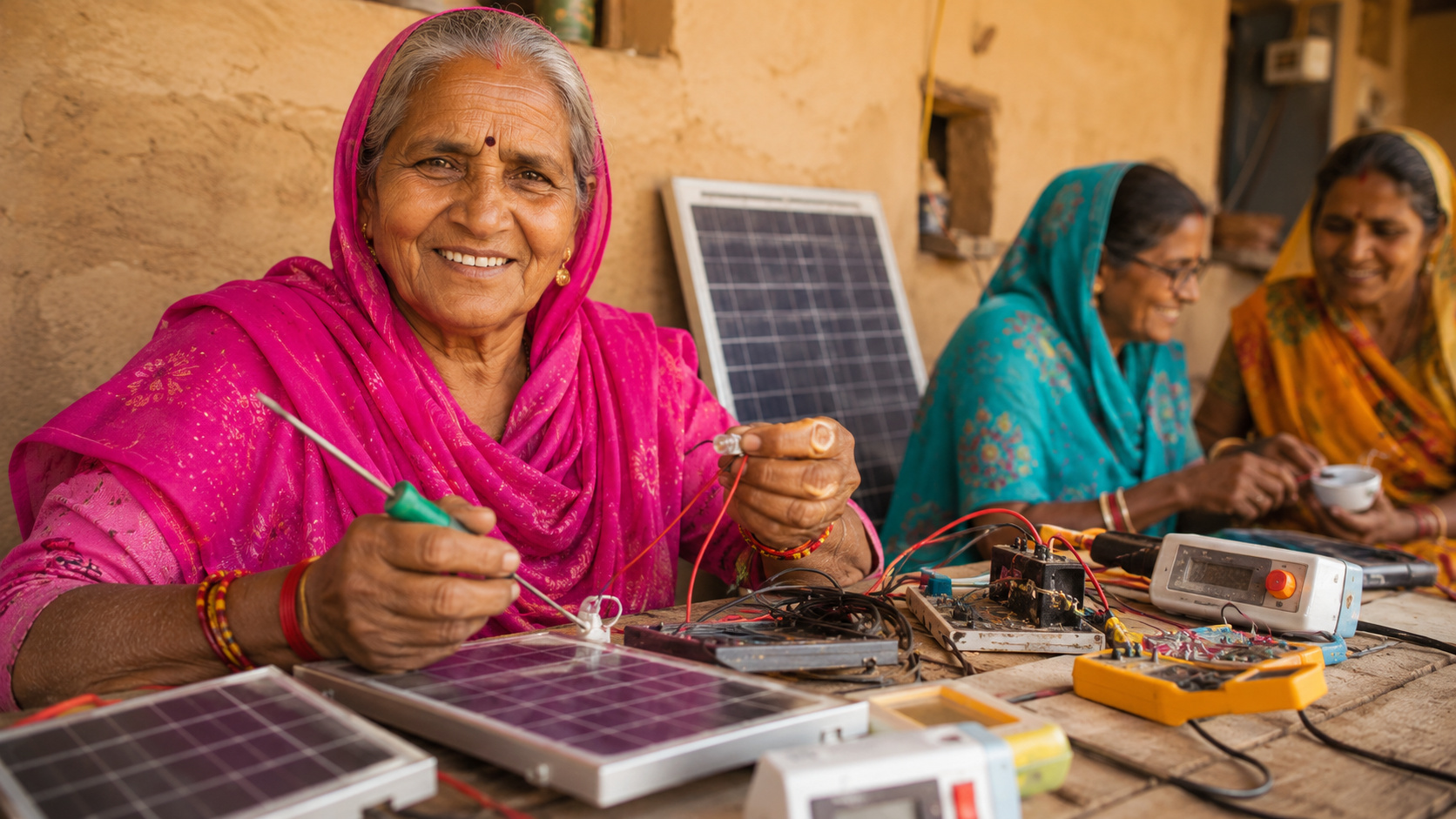
Illiterate or semi-literate grandmothers were trained to repair solar systems, open rural workshops, and light up homes that still depended on kerosene.
-
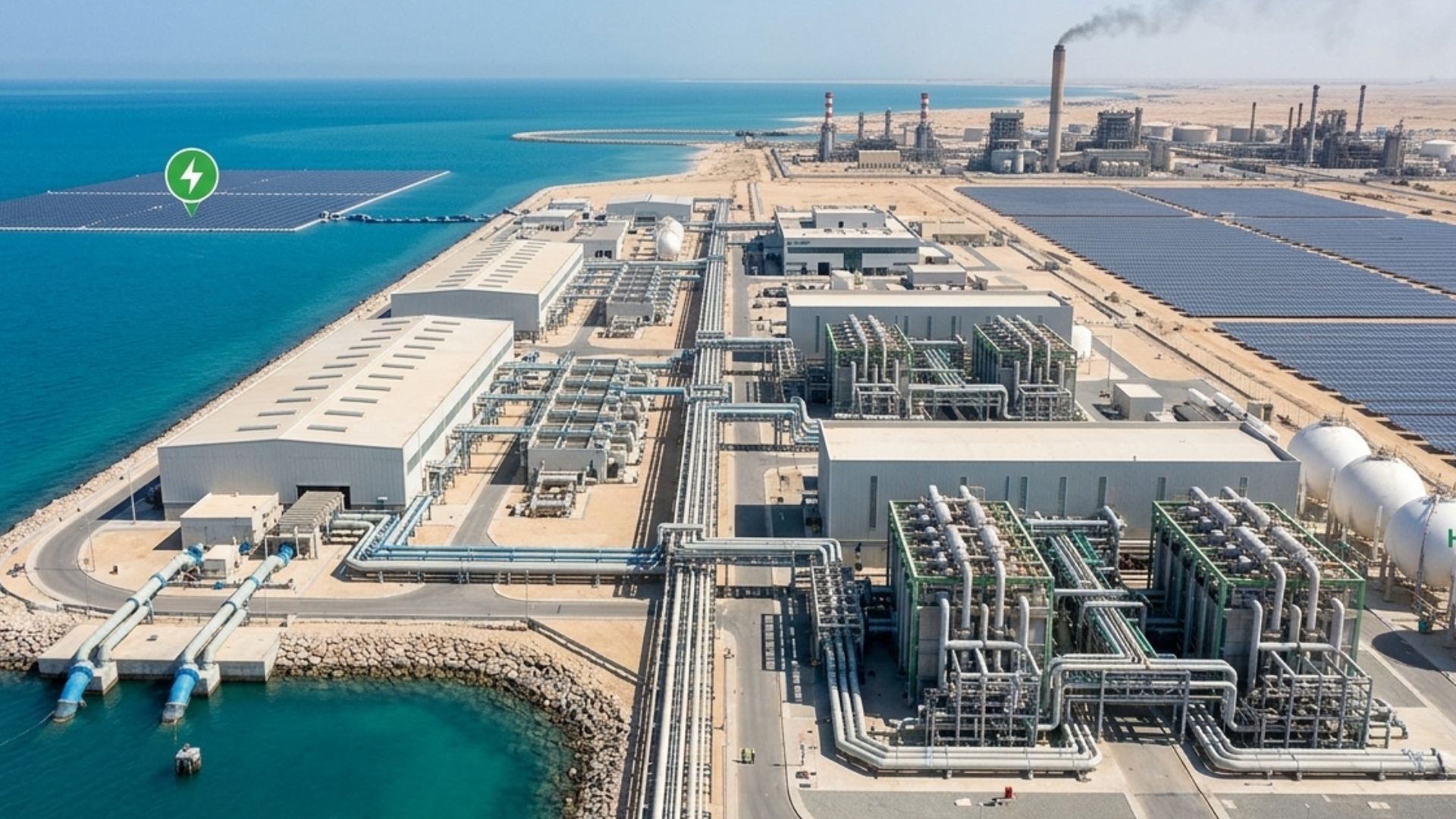
The world has bet on green hydrogen as the fuel of the future, but now faces the side effect: producing 1 kilogram requires about 9 liters of ultrapure water, and the largest projects on the planet are precisely in the driest regions of the Earth, where water is already scarce for people.


The construction of the 11 photovoltaic plants is part of a joint effort between the public sector and the private initiative to increase the presence of solar energy in the Brazilian matrix.
The Solar Complex Draco will also include a 500 kV substation and a transmission line of approximately 15 km, linking production to the National Interconnected System (SIN).
Besides promoting the use of renewable sources, the project by Atlas Renewable Energy will have a positive impact on the local economy.
The creation of more than two thousand jobs is an important opportunity for the municipality of Arinos and the region, encouraging regional development alongside the energy transition.
Atlas Renewable Energy Strengthens Presence In The Brazilian Solar Sector
With international headquarters and a growing presence in Brazil, Atlas Renewable Energy was founded in 2017 and currently operates a portfolio of 8.4 GW in renewable energy projects, of which 3.6 GW are already in operation and 2.5 GW are ready for contracting.
“We believe that the Solar Complex Draco represents more than an investment in solar energy, but the commitment of Atlas to support the development of the Brazilian industry based on sustainable energy, and marks our presence in the data center sector,” said Fabio Bortoluzo, the company’s general director in Brazil.
BNDES Expands Operations In The Green Agenda And Combat Against The Climate Crisis
The BNDES financing for the photovoltaic plants of Atlas Renewable Energy reinforces the strategic role of the bank in facing climate change.
According to BNDES President, Aloizio Mercadante, support for clean energy is a priority in the institution’s environmental policy.
“The world is experiencing a climate emergency and BNDES has played a relevant role in this area, acting on different fronts, such as energy, decarbonization of productive processes, and reforestation actions. The green agenda is at the center of the bank’s strategic actions,” declared Mercadante.
Solar Energy Grows In Brazil And Attracts New Investments
Brazil has established itself as one of the world leaders in solar energy. In May 2025, the national solar park — totaling centralized and distributed generation — reached 39 GW of installed capacity.
With incentives like BNDES financing and the growth of companies like Atlas Renewable Energy, the trend is toward continuous expansion.
The photovoltaic plants have become key pieces in the transition to a cleaner, more efficient, and socially responsible energy model.