Portuguese
  Spanish


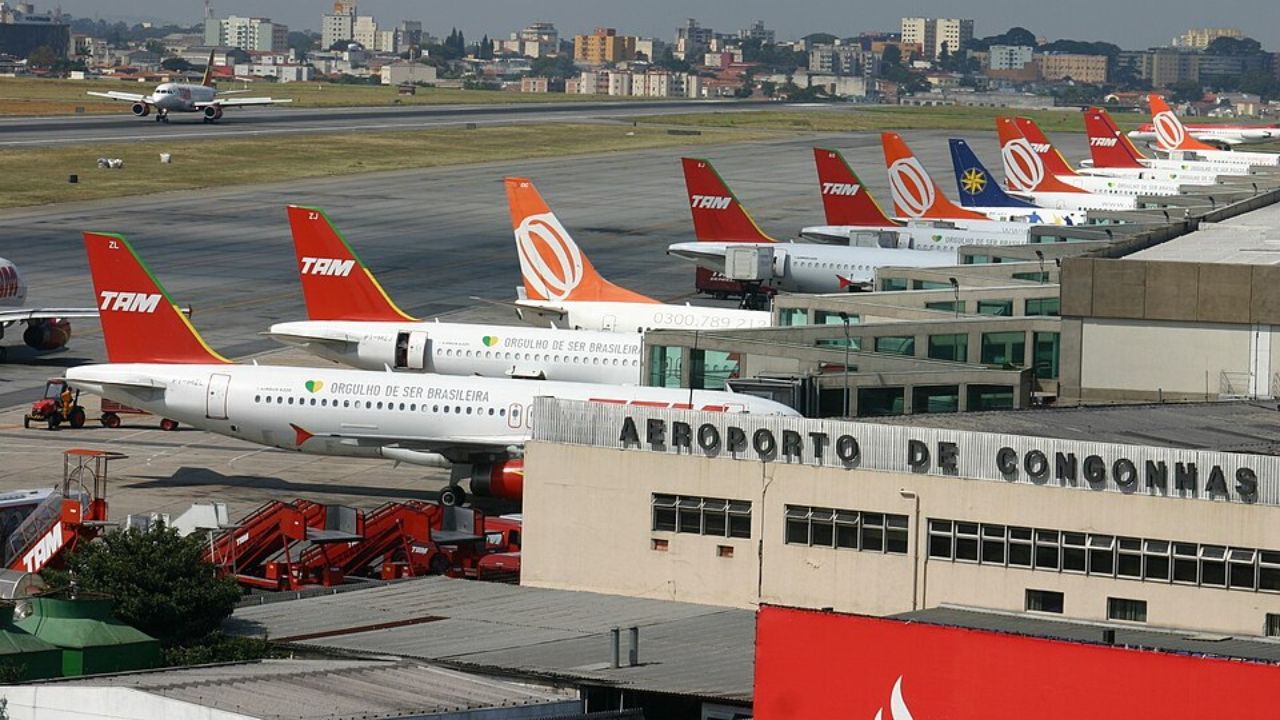

The Financing of BNDES Promises to Modernize 11 Airports Operated by Aena, Expand Congonhas’ Capacity with a New Giant Terminal, and Boost the Economy with Thousands of Jobs by 2028.
Congonhas is one of the busiest airports in the country and has been struggling with long lines, cramped spaces, and infrastructure at its capacity limit for years. With the release of R$ 4.64 billion from BNDES to Aena, Congonhas enters the center of a large investment plan that promises to expand the terminal, improve passenger experience, and better organize the boarding and disembarking flows.
At the same time, these funds will support a set of projects at 11 airports, distributed over several years. The forecast is that the investment package for Congonhas and the other terminals managed by Aena will create thousands of direct and indirect jobs by 2028, especially in construction, services, and tourism, helping to stimulate the regional economy in various cities.
Why Congonhas Became a Priority for Investments
Congonhas is a strategic piece in the Brazilian air network. Besides the large volume of passengers, it connects business, tourism, and rapid travel between capitals. It is no surprise that any change at Congonhas affects the routine of those who frequently travel for work or leisure.
-
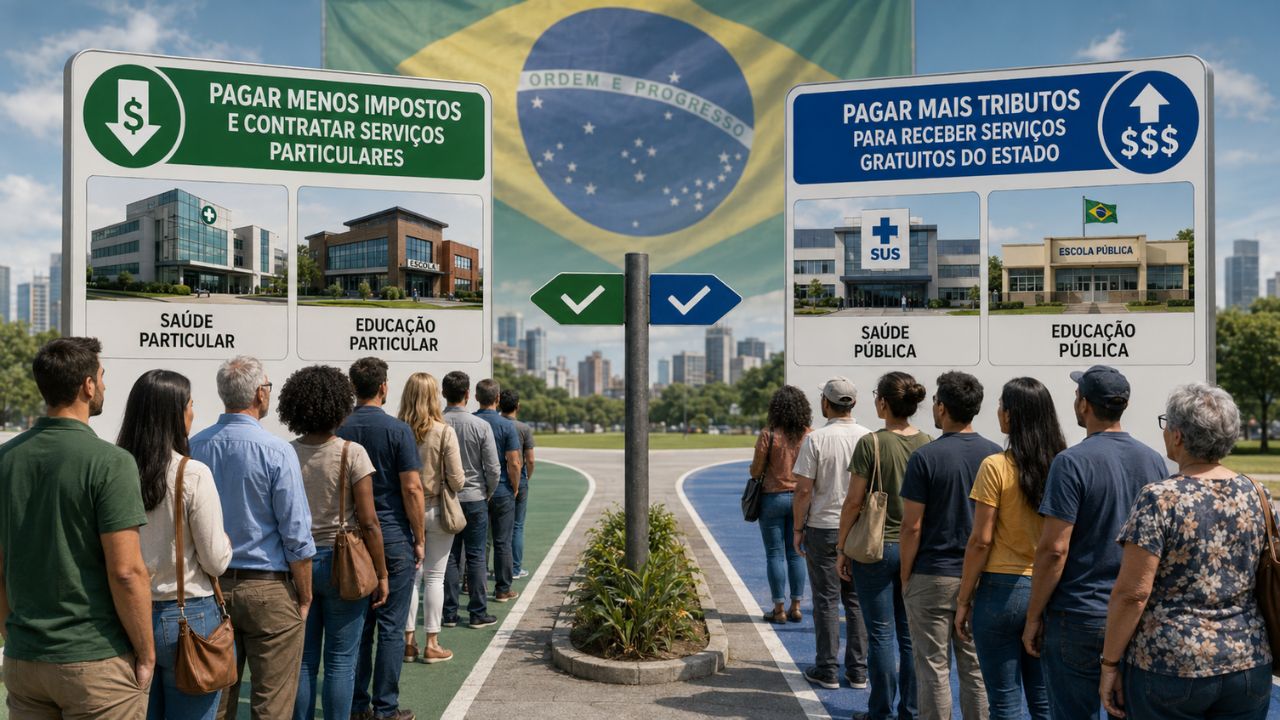
Half of Brazilians Prefer Lower Taxes with Private Health and Education, While 44% Opt for Higher Taxes for State-Provided Services, Datafolha Survey Reveals

-
Brazil’s Most Expensive Toll Rises to R$ 40.60 on Route from São Paulo to the Coast, Nearly Matching Bus Fare to Santos

-
As Brazil Expands Social Welfare, Survey Reveals 40% Blame Poverty on Laziness, While 58% Cite Lack of Opportunities

-
China Tightens Control on Antimony, Driving Prices from $22,000 to Nearly $40,000 per Ton as U.S. Rushes to Bolster Strategic Reserves



During peak hours, it’s common to see crowded boarding lounges, long lines, and limited circulation space. The idea of the new investment cycle is to specifically address these bottlenecks.
By expanding and reorganizing Congonhas’ spaces, the goal is to make the airport more comfortable, efficient, and prepared for growth without losing service quality.
The New Giant Terminal at Congonhas
The highlight of the package is the expansion of Congonhas with a new giant terminal, designed to increase capacity and modernize the structure. Aena and BNDES position the airport as a showcase for improvements, taking advantage of the potential for visibility and direct impact on the daily lives of millions of passengers.
With the new terminal, expectations include:
More boarding and disembarking areas, expanded waiting lounges, new commercial and service spaces, and better organization of lines and internal flows.
Even without delving into technical details, the message is clear: Congonhas should leave behind the feeling of a cramped airport and start offering a more spacious, functional environment, in line with the standards of major urban hubs.
Modernization at 11 Airports Managed by Aena

Although Congonhas is the symbol of the package, the R$ 4.64 billion released by BNDES goes far beyond a single airport. The financing reaches 11 airports managed by Aena, focusing on:
Structural interventions;
Terminal modernization;
Improvements in aprons and runways;
Updating operational systems and technology.
In addition to Congonhas Airport (São Paulo/SP), the following are included: Campo Grande (MS), Ponta Porã (MS), Corumbá (MS), Santarém (PA), Marabá (PA), Carajás (PA), Altamira (PA), Uberlândia (MG), Uberaba (MG), and Montes Claros (MG).
By raising the standard of the terminals, the intention is to strengthen the network as a whole. When Congonhas and the other airports operate more efficiently, connections become smoother, delays tend to decrease, and the travel experience improves at multiple points in the passenger journey.
Job Creation and Economic Impact by 2028
Works of this scale do not only affect infrastructure; they impact the real economy. From project to execution, investment in Congonhas and the other 10 airports is expected to mobilize the construction, engineering, architecture, technology, and services sectors.
Throughout the cycle until 2028, the forecast is to create thousands of direct jobs on construction sites and in technical teams, in addition to indirect positions in sectors such as:
Hospitality, food service, urban transportation, and local commerce.
Each completed stage tends to attract more passengers, events, and business to the served cities. As Congonhas becomes more modern, the entire network of services surrounding the airport also transforms, with new enterprises and opportunities.
What Changes in the Passenger Experience at Congonhas
For frequent users of Congonhas, the big question is: what changes in practice? The answer involves several key points:
- More comfort in waiting areas
- More organized internal circulation
- Potential reduction of queues during peak hours
- More food, shopping, and service options
- More modern infrastructure to accommodate flights and passengers
The idea is for Congonhas to stop being seen solely as a practical and conveniently located airport and instead become a more pleasant environment, with infrastructure compatible with the real flow of people passing through every day.
Why to Follow the Timeline Until 2028
As it is a large-scale investment plan, the timeline extends until 2028. This period allows the works to be carried out in phases, with less impact on daily operations. Still, it is important for passengers to stay alert to possible temporary adjustments in accesses, parking, and internal circulation.
With each partial delivery, the trend is to notice gradual improvements in the routine of those boarding or disembarking at Congonhas. Following the progress of the interventions helps to understand how the airport will transform and what concrete benefits will arrive for users in the coming years.
And you, what do you hope to see first in the changes at Congonhas and the other airports by 2028: more comfort, shorter lines, or new job and business opportunities?