






 Portuguese
  Spanish


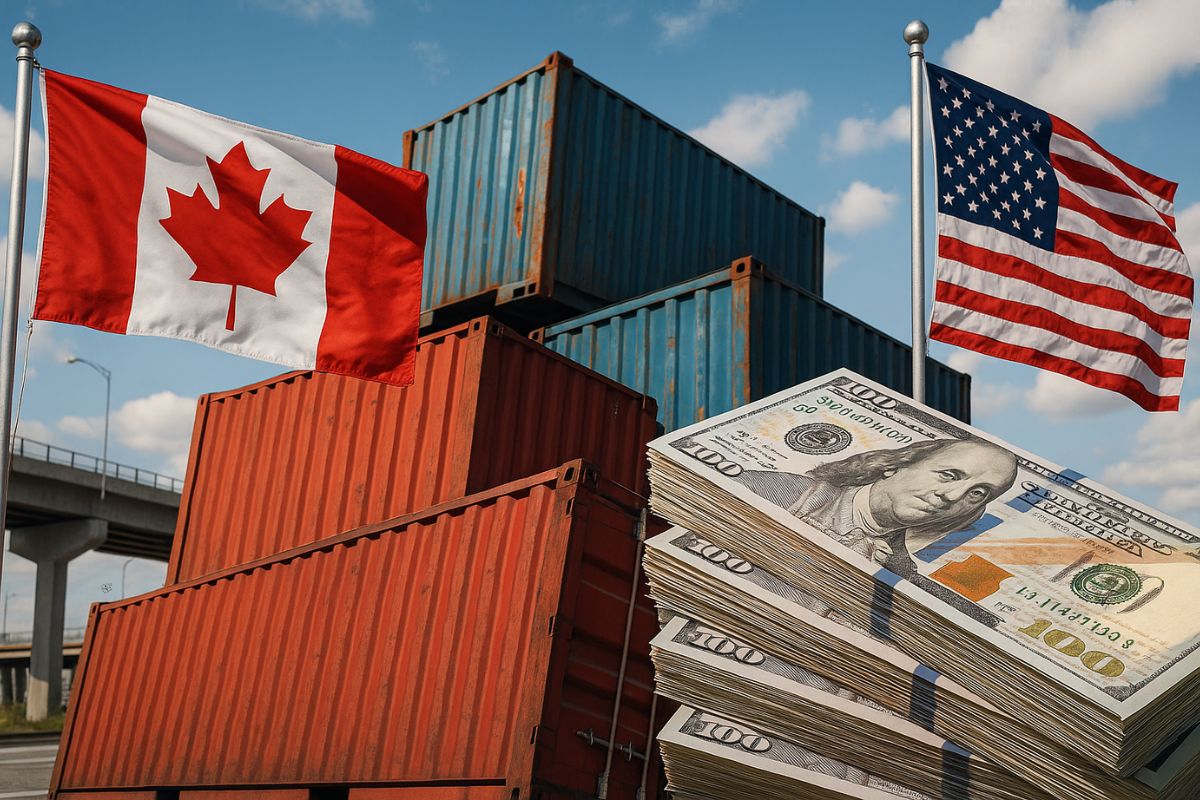


Canadian Consumers’ Reaction May Impact US$ 90 Billion and Change Trade and Tourism Flow Between the Two Countries.
According to a special report from CNBC Originals, the boycott in Canada against American products and services is already a reality with significant economic impact. The measure arose after Donald Trump’s government increased import tariffs from 25% to 35% on Canadian items. Even before the rule came into effect, 71% of consumers had stated that they intended to reduce purchases of American products.
The effect goes beyond store shelves. It is estimated that the US GDP could lose up to 0.3% — about US$ 90 billion — by 2025, also considering the decline in tourism. The movement is described by experts as a visceral reaction to American trade policies, with the potential to reshape consumption and travel habits.
How the Boycott Gained Strength
The reaction started in retail. Chains like Vince’s Market, with four stores in Canada, reported clear changes in customer behavior. American products are being replaced by Canadian alternatives whenever possible, particularly fruits, vegetables, wines, and spirits.
-
Brazilian Steel Giant Partners with USP to Develop 40% Stronger Rebar for World’s Tallest Residential Building in Brazil’s Senna Tower

-
Oil Prices Drop to $72 as 20 Million Barrels Pass Through Strait of Hormuz in 24 Hours, Easing Supply Fears but Regional Tensions Keep Market on Edge

-
Brazil’s Ministry of Justice Investigates CazéTV for Betting Ads During World Cup Broadcasts

-
Brazilian Retail Giant Americanas Faces $10 Billion Asset Freeze Amid Investigation into Hidden Debts


To facilitate the choice, stores began to highlight “Made in Canada” flags and labels, while apps help consumers identify the origin of products. Even so, items like berries and citrus fruits remain difficult to substitute due to limited domestic production.
Direct Impact on Trade
The Canada is the second largest food export market for the US, generating US$ 28.4 billion annually. However, iconic brands like Coca-Cola and Lay’s have had to strengthen the image of local production to maintain sales, as part of the manufacturing occurs on Canadian soil.
Some sectors have been more affected. The wine market saw a drop of up to 40% in sales of American labels, replaced by options from France, South Africa, Australia, and New Zealand. The imposition of a 25% tariff on alcoholic beverages imported from the US accelerated this switch.
Tourism Decline
In addition to goods, the boycott in Canada has extended to tourism. In 2024, 20 million Canadians visited the US, spending over US$ 20 billion. Now, travel searches for American destinations have dropped by 50%, and vehicle traffic at the border decreased by nearly 30% in March. Air travel saw a smaller drop, but the combined movement resulted in a 15% contraction.
The impact is not restricted to North America. European tourist bookings for the US fell by 25% in the summer following Trump’s remarks about the annexation of Greenland, intensifying the rejection of American products and services.
Global Effect and Affected Brands
Companies like Tesla also felt the repercussions. The brand’s car sales in Europe plummeted nearly 28% in May, influenced by both increased competition and the negative political reputation associated with Elon Musk.
Economists warn that the trade war could reduce global growth by up to 0.5 percentage points, representing a significant cut compared to the annual average of 3.5% to 4%. American manufacturers have already begun adjusting prices to compensate for the decline in international sales.
Trend or Temporary Reaction?


Analysts believe that the boycott in Canada may lose strength if trade tensions decrease, but it is unlikely that all consumers will return to previous habits. Part of the population has become accustomed to prioritizing domestic products and brands, which could lead to a structural change in the market.
Do you think this boycott is a temporary message or that it will permanently transform commercial relations between Canada and the United States? Leave your opinion in the comments.





Nós brasileiros deveríamos fazer o que o povo canadense estão fazendo, boicotar produtos estadunidenses
É só nós brasileiros forçar a barra e precionar o governo federal a não mais comprar nada dos estados unidos da América, aqui temos tudo,coisas que os americanos não tem,e vender nosso produtos a outros países e comprar deles tbm, aí estados unidos vai pra lama
Agora sim, seria a hora de patriotas provarem que são mesmo patriotas, defendendo a economia do país, independente de polaridade política. As nossas questões políticas nós resolvemos internamente, não precisamos de meia dúzia de brasileiros que se dizem patriotas e estão tentando ferrar com o país, por interesses próprios, e um presidente americano que ao que tudo indica está metendo os pés pelas mãos nas sua própria nação e fica interferindo na soberania de países alheios..
Não podemos deixar esses traidores de nosso país, formam uma dinastia, é o que se pode claramente observar.