Portuguese
  Spanish


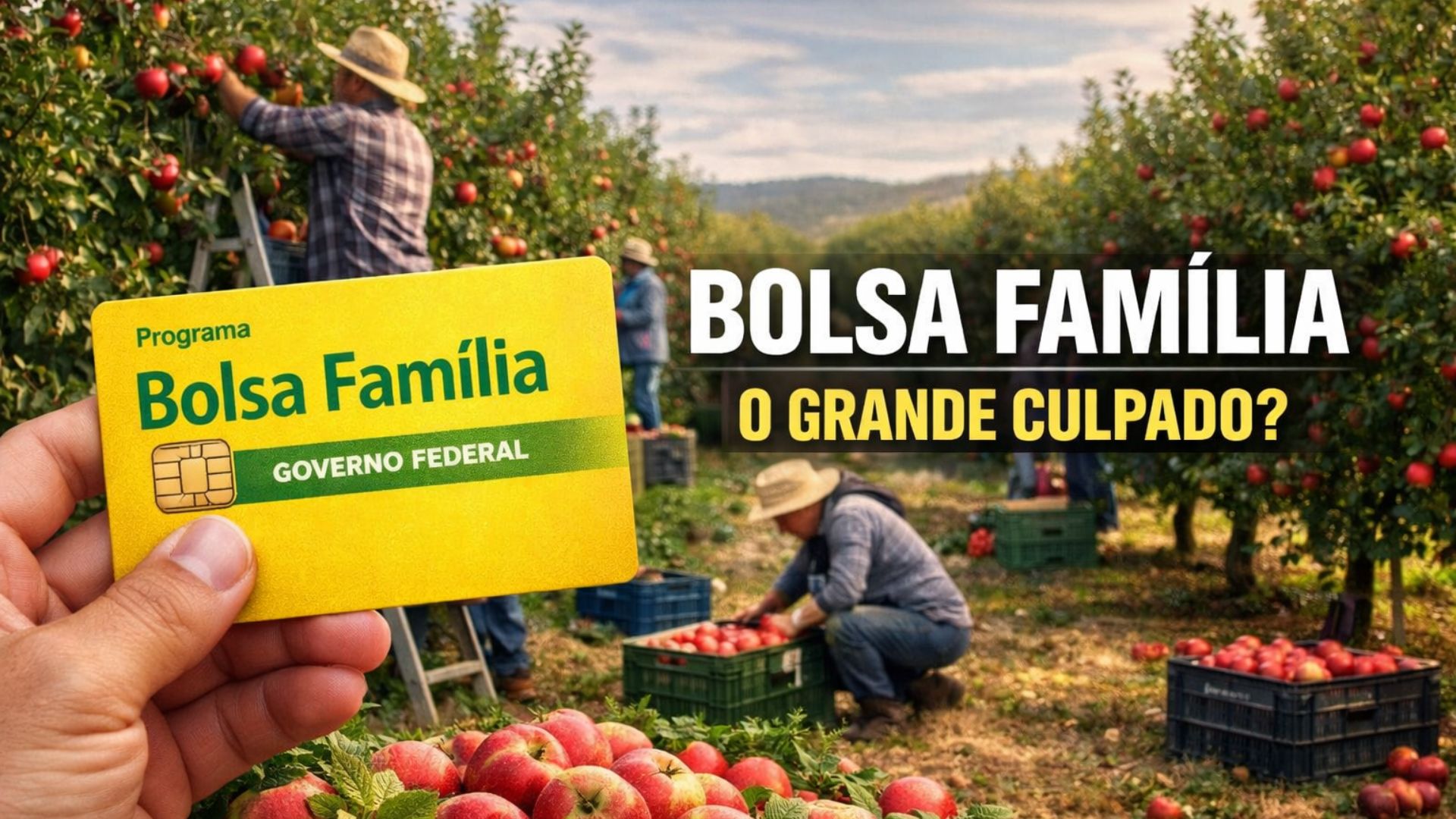


Record Apple Harvest Contrasts With Labor Shortage in the Field, as Producers Warn of Growing Losses, Risk to Exports, and Chain Economic Impact Amid Fear of Bolsa Família Beneficiaries Losing Income if Accepting Formal Employment.
The Brazilian apple harvest 2025/26 began with expectations of a strong recovery, with projections of up to 1.15 million tons and shipments nearing 60 thousand tons, but producers report increasing losses due to a lack of people to pick at the required pace.
Estimates released by industry associations and media indicate that the volume should remain between 1.05 million and 1.15 million tons, which represents a significant increase over the previous season, when the harvest was cited at around 850 thousand tons.
Despite the focus mainly on the domestic market, exporters and industry associations have been signaling an expansion of external sales for 2026, with more markets served and a target of 60 thousand tons, a level well above recent Brazilian history.
-
Brazilian Farmer Invents Low-Cost Tractor Using Motorcycle Parts, Efficiently Working 2 Acres on 1 Liter of Diesel

-
Regenerative Farmers Use Keyline Plow to Improve Pasture Hydration, Storing 1 Gallon of Water Every 30 Centimeters

-
Bicolor Pumpkin Resembling Hand-Painted Art Discovered by Brazilian Researchers in the Capital Due to “Spontaneous Mutation”

-
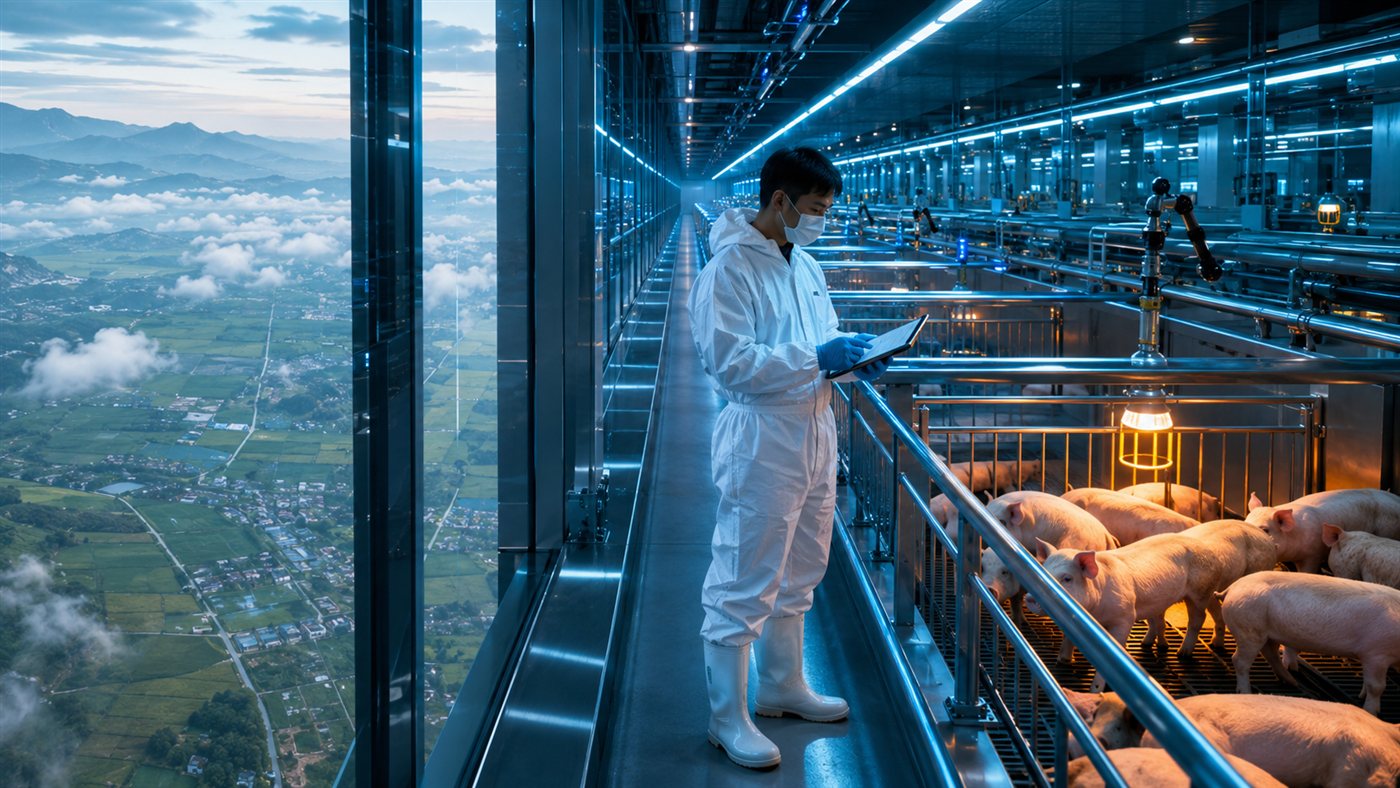
In China, a 26-story building produces 1.2 million pigs annually, revolutionizing livestock farming with tube feeding and AI surveillance.


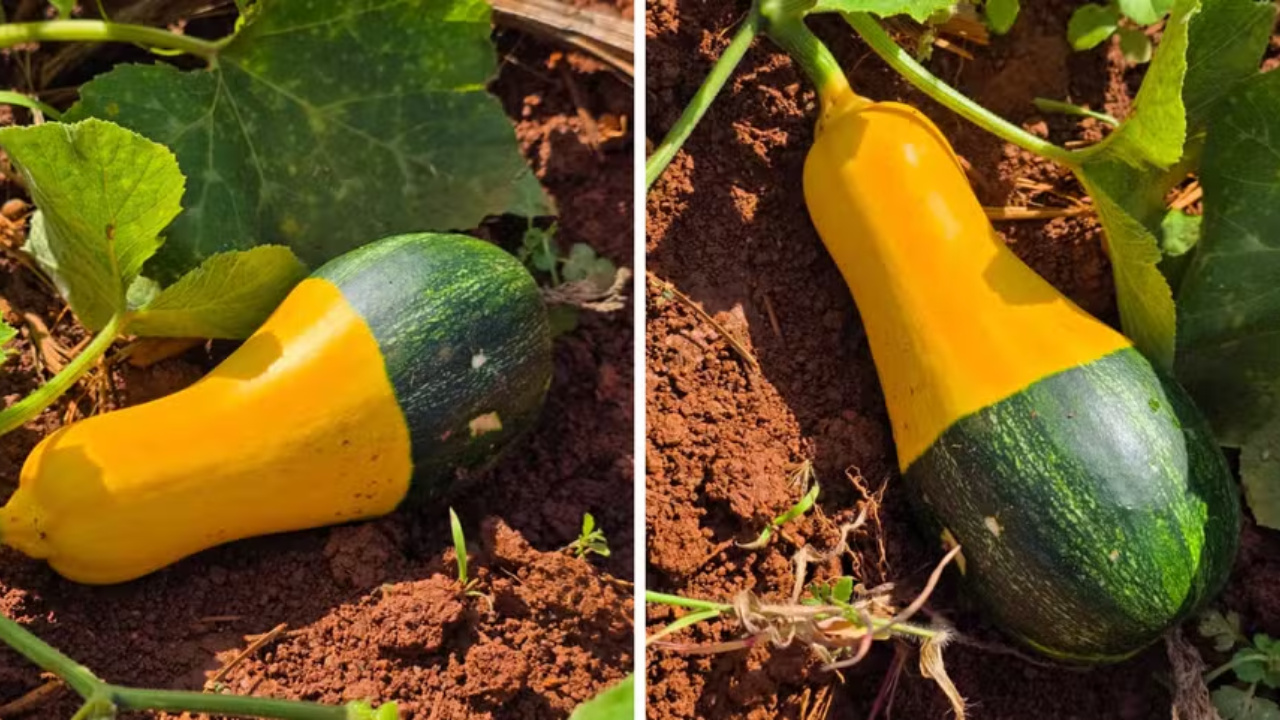
Labor Shortage in Apple Harvest Worries Producers
The initial euphoria has faded as the harvest progressed, and videos on social media began showing apples accumulating on the ground, a scenario attributed by producers to the lack of available workers, especially in the traditional areas of Serra Catarinense.
Although reports appear more frequently in Santa Catarina, the Brazilian Association of Apple Producers states that the labor shortage is recurring more regularly each year and affects different production hubs.
According to the executive director of the entity, Moisés Lopes de Albuquerque, the absence of a minimally adequate workforce for the harvest causes part of the production to be lost, increasing the cost per unit and pressuring prices for consumers.
In his assessment, a central factor is the fear of workers receiving income transfer programs.
“The biggest problem we identified is the fear of workers who are beneficiaries of government social programs, such as Bolsa Família, of losing benefits [if they accept formal work],” he stated.
Bolsa Família and Formal Employment in Agriculture
Bolsa Família has a Protection Rule that allows families that increase their income and exceed the entry limit to remain receiving part of the benefit for a period, as a form of transition and encouragement for financial autonomy.
The rule was updated in 2025, with changes for new entrants from mid-year, including income limits per person and different stay periods depending on the group, maintaining the goal of avoiding immediate cuts.
Still, the association advocates for an arrangement that reduces the fear of formalization in seasonal activities and proposes that families under social programs could retain benefits even with formal contracts, arguing that this would increase income and labor supply.
Producers Report Difficulties in Hiring for the 2025/26 Harvest
In Urubici, in the Santa Catarina mountains, producer Mariozan Correa states that he began the harvest with fewer workers than he considers necessary for an area of 14 hectares, during a time when the orchard’s calendar demands speed to reduce losses and maintain quality standards.
He says he managed to hire ten people, when ideally it would be at least twelve, and reports that he formalizes the team under the CLT.
“I hire under CLT, with a signed contract, with all rights assured and pay between R$ 2,500 and R$ 3,000 monthly,” he said.
According to the producer, the bottleneck has intensified in the last three years and is also associated with social benefits, as some workers avoid short contracts for fear of losing their monthly income.
“They don’t want to risk losing that money for a short-term contract,” he reported.
Correa states that, in his case, there has been no direct loss of production so far, but he knows fruit growers who have already incurred losses.
He also describes differences between varieties and states that the Fuji apple requires more intensive harvesting due to ripening faster, unlike the Gala apple, which stays on the tree longer.
Technology Advances But Does Not Replace Manual Harvesting
At the same time, the entity points to investments in orchard management technologies, harvesting platforms, and industrial modernization to increase productivity and reduce waste, an attempt to compensate for a labor market less available during peak periods.
Even with this movement, Albuquerque maintains that harvesting remains dependent on human labor on a commercial scale.
“There is still no technology in the world that allows for an industrial-scale replacement of human labor to harvest fruits in the field,” he said.
The executive also states that the sector offers positions with signed contracts and support structure for workers, mentioning training, protective equipment, assistance, and accommodations within labor standards, as part of the effort to attract and retain teams.
Apple Exports and Economic Impact on the Production Chain
The projection to export 60 thousand tons in 2026 was mentioned in events and reports from the sector, with expectations of greater Brazilian presence in markets such as India, the United Kingdom, and Middle Eastern countries, in addition to other destinations pointed out by specialized publications.
In Santa Catarina, state data also indicates a relevant recovery in supply, with an estimated increase of 27.9% in production in the main producing regions compared to the previous harvest, reinforcing the importance of the harvest in the local economic outcome.
For the association, the labor shortage is not limited to the orchard and can affect the entire chain.
The entity argues that less activity reduces the demand for inputs and services, with repercussions in commerce, providers, and indirect jobs related to production and logistics.
The report informed that it sought the Ministry of Labor and Employment to inquire about discussions on social benefits and formal contracts, but no response was received by the publication, keeping the space open for statements while producers continue in full harvest.