






 Portuguese
  Spanish


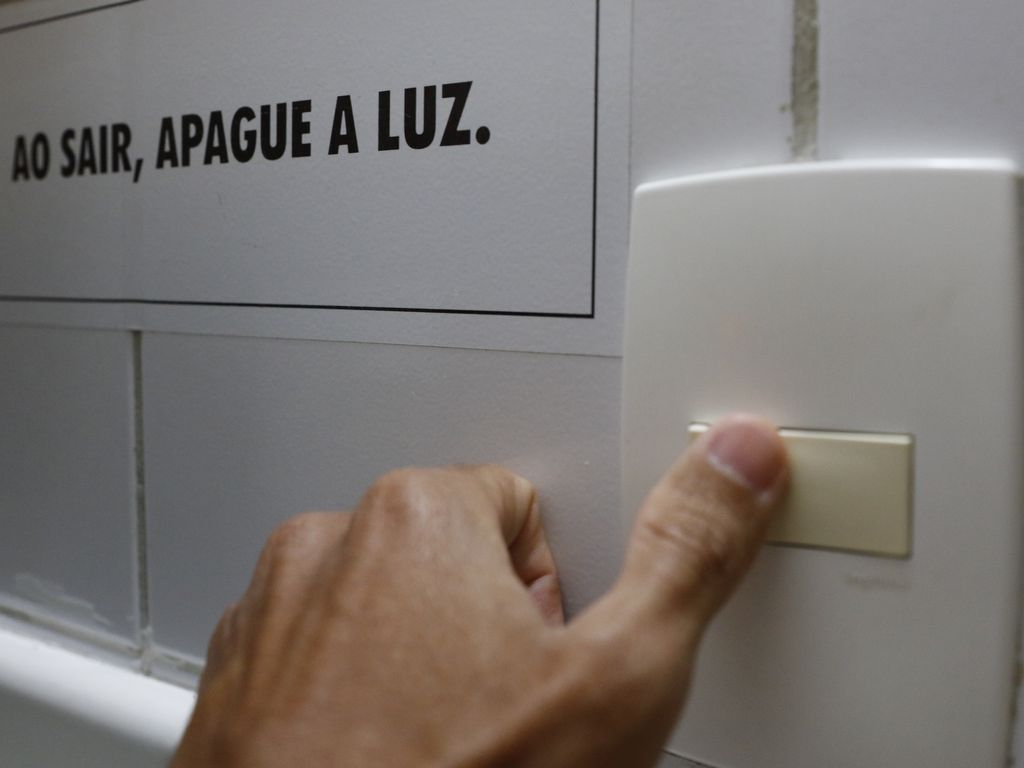

Discount For The Consumer Who Can Save Will Be Less Than R$ 1 Real Per kWh.
The energy crisis in Brazil is concerning, with experts stating that if nothing is done, there is a real risk of blackouts. The federal government is under pressure and, because of this, has been seeking alternatives to reduce energy consumption. One of the proposed solutions was the possibility of granting a discount for customers who save energy, allowing for a cheaper electricity bill.
According to information from Broadcast, the government has not yet defined the amount that will be discounted for customers who can save. However, the government of Jair Bolsonaro considered giving a discount of R$ 1 real for each kilowatt-hour of energy saved. However, the proposal was quickly dismissed due to the fact that it would not have financial balance for the country’s energy sector.
Exaggerated Value in Electricity Bill Discount?
Industry technicians stated that the value is exaggerated as it represents an amount of R$ 1,000 for each megawatt-hour. Today, the Brazilian consumer pays an average rate of R$ 607.60 for each MWh. The country’s water situation is concerning; however, the understanding is that it is not worth giving such a high discount to save energy.
-
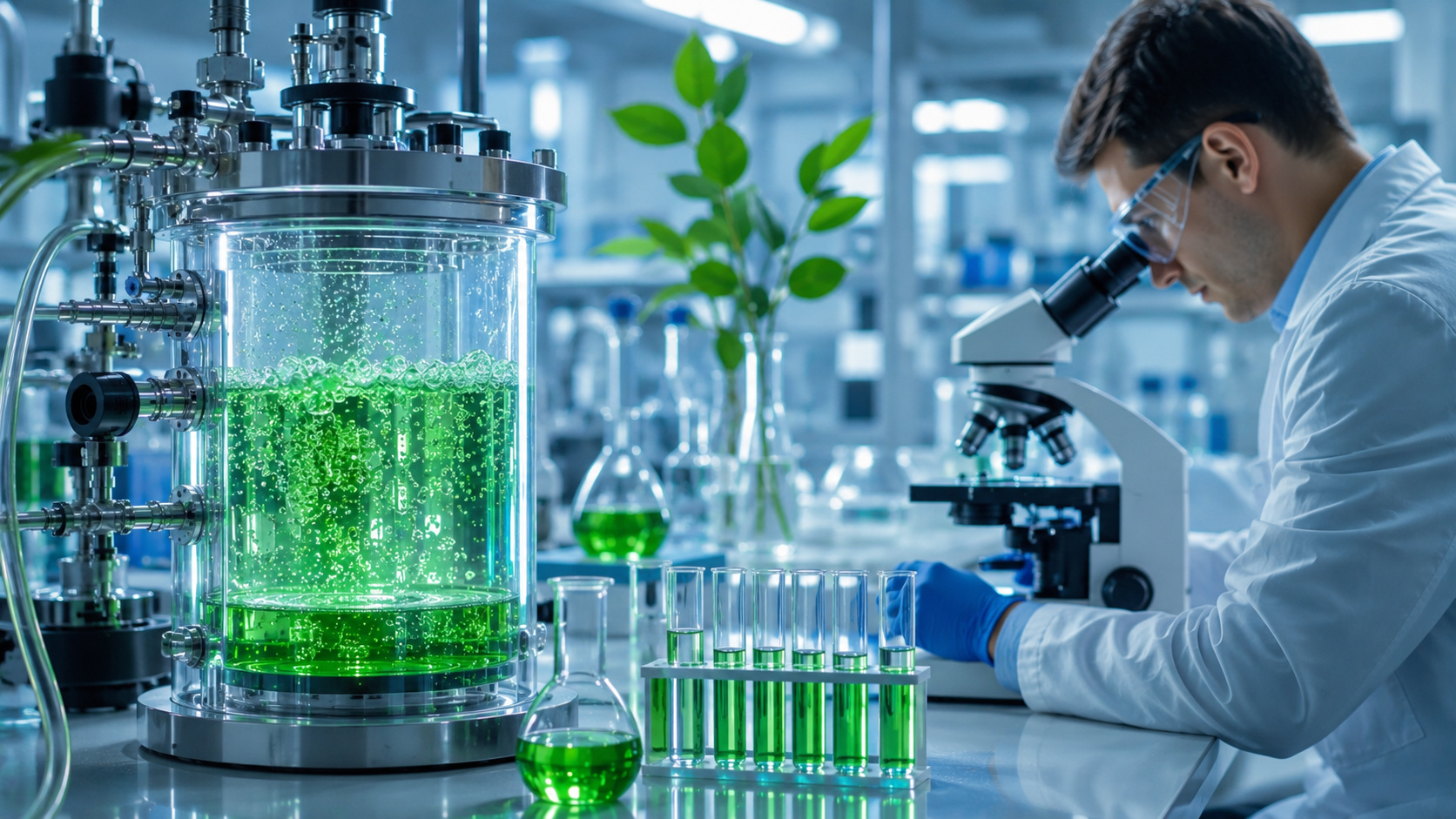
Brazilian scientists are simultaneously advancing two research projects on clean hydrogen and driving solutions that could transform the energy matrix, enhance industrial competitiveness, and accelerate large-scale emission reduction targets.

-
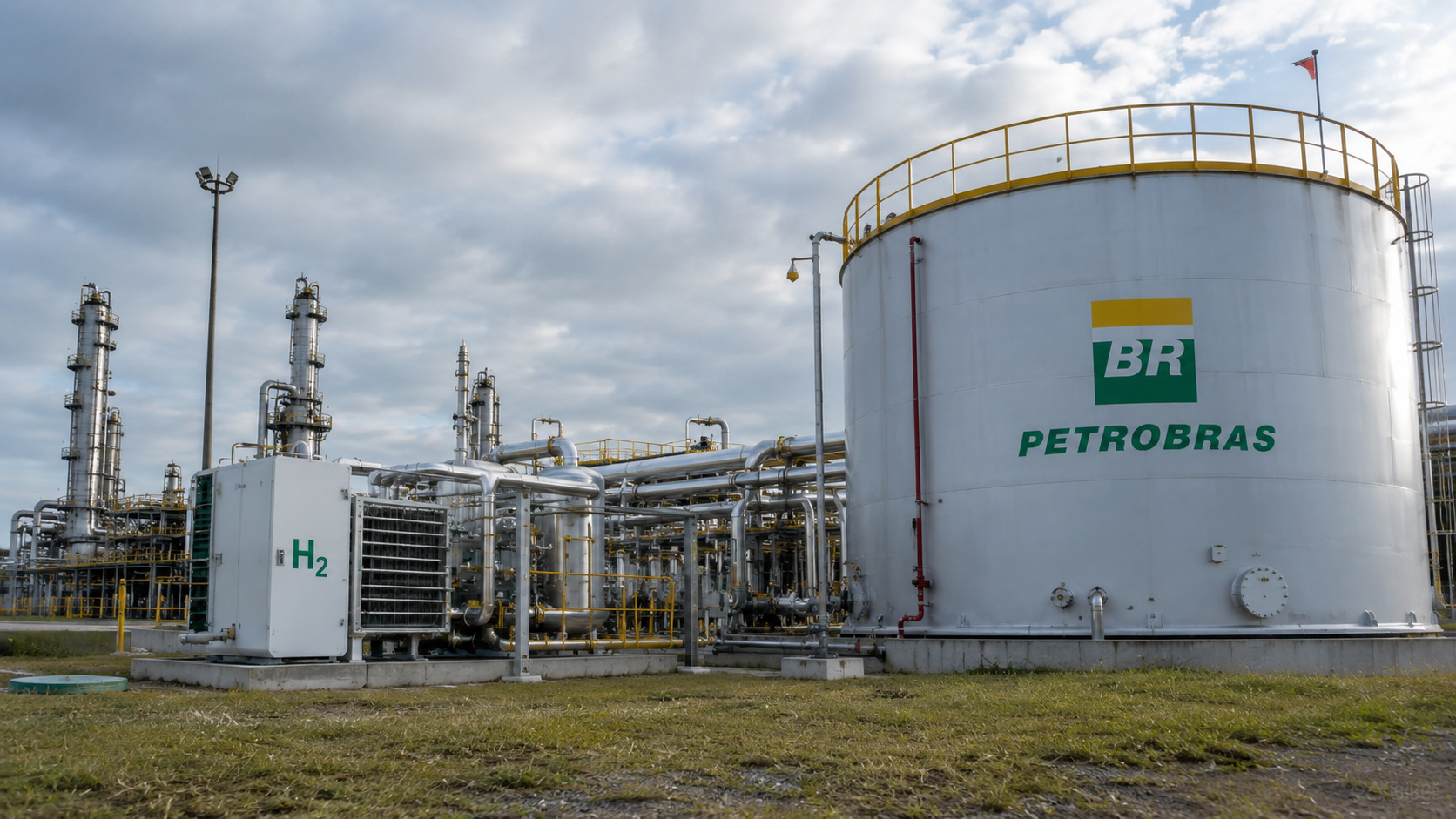
Advancement in renewable energy: A R$ 150 million project launched by Petrobras and Finep aims to create state-of-the-art electrolyzers for green hydrogen, strengthening national research and preparing Brazil to compete in a billion-dollar energy market.
-
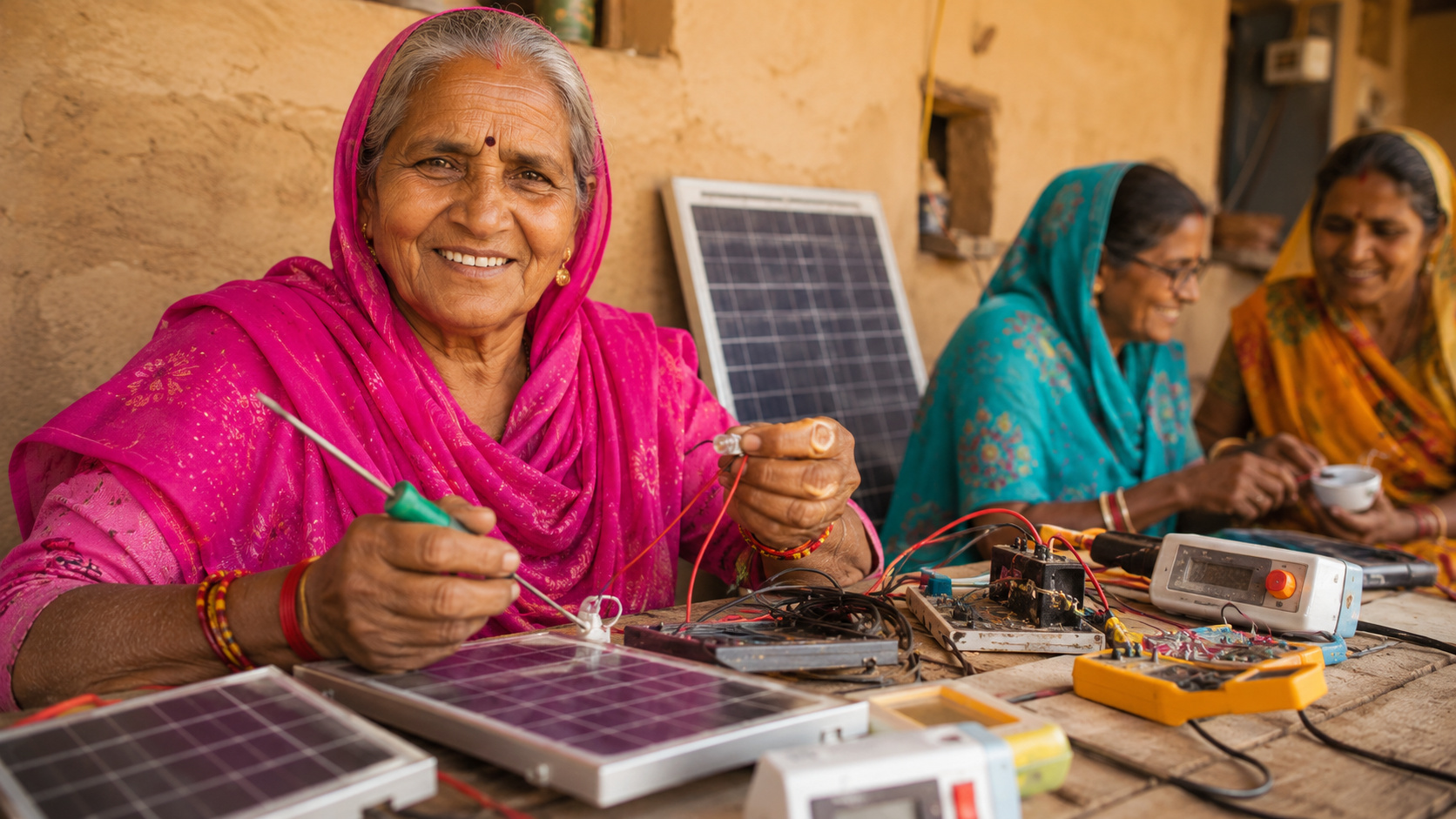
Illiterate or semi-literate grandmothers were trained to repair solar systems, open rural workshops, and light up homes that still depended on kerosene.
-
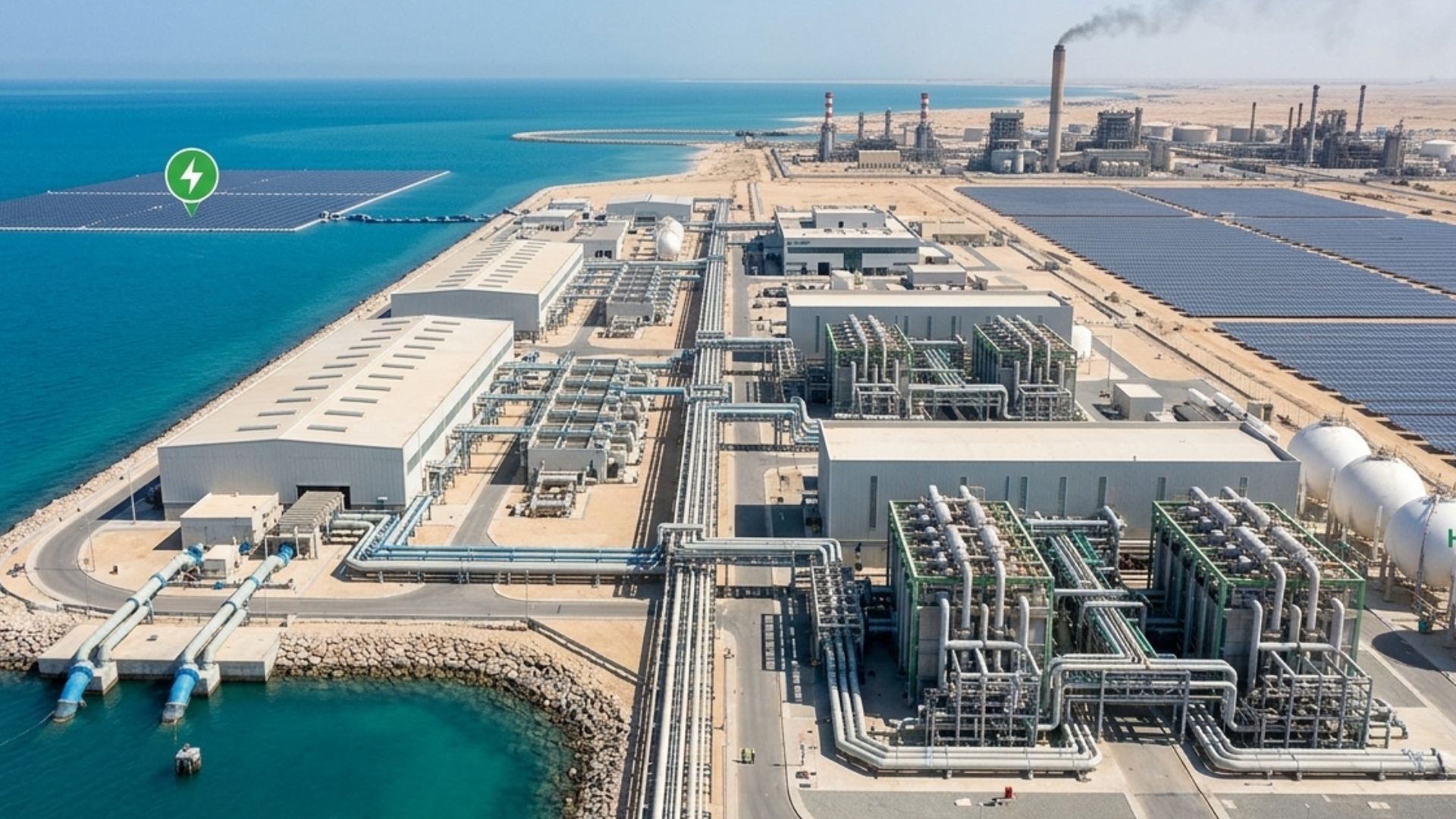
The world has bet on green hydrogen as the fuel of the future, but now faces the side effect: producing 1 kilogram requires about 9 liters of ultrapure water, and the largest projects on the planet are precisely in the driest regions of the Earth, where water is already scarce for people.

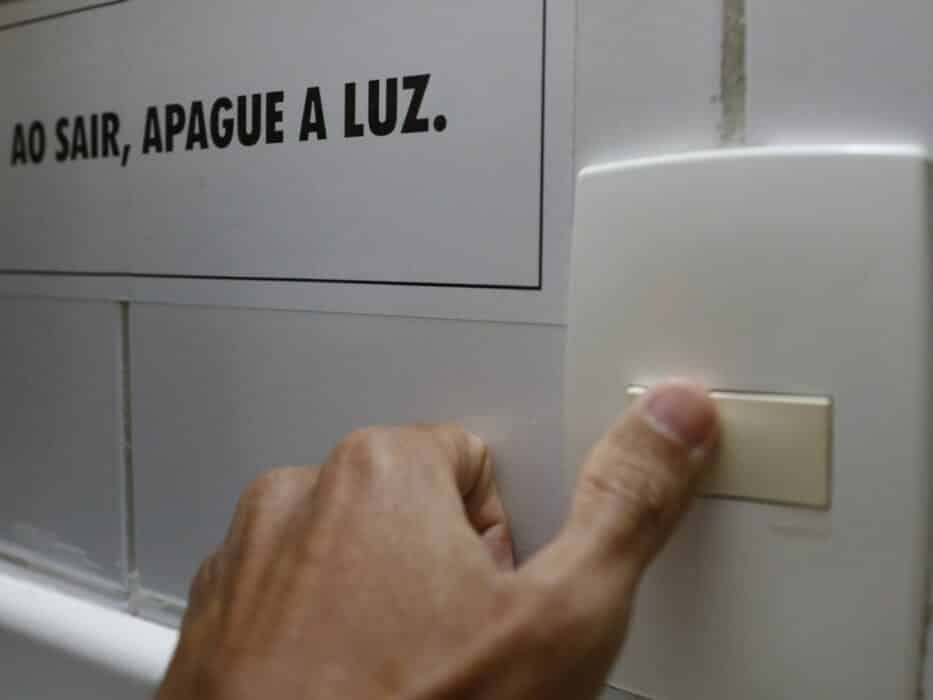
The energy consumption reduction incentive program was announced by Bento Albuquerque, Minister of Mines and Energy. The program will have a minimum energy savings target for the consumer to be eligible for the credit. The program’s proposal is not yet finalized, however, the expectation is that consumers who save between 10% and 20% of energy would receive discounts.
The discounts for customers who manage to reduce energy consumption will be funded through the System Service Charge, the ESS – a fee charged on the electricity bill itself. The project aims to primarily avoid blackouts during peak energy usage times. If the program is successful, the reduction in demand will enable lower generation costs.









