Portuguese
  Spanish


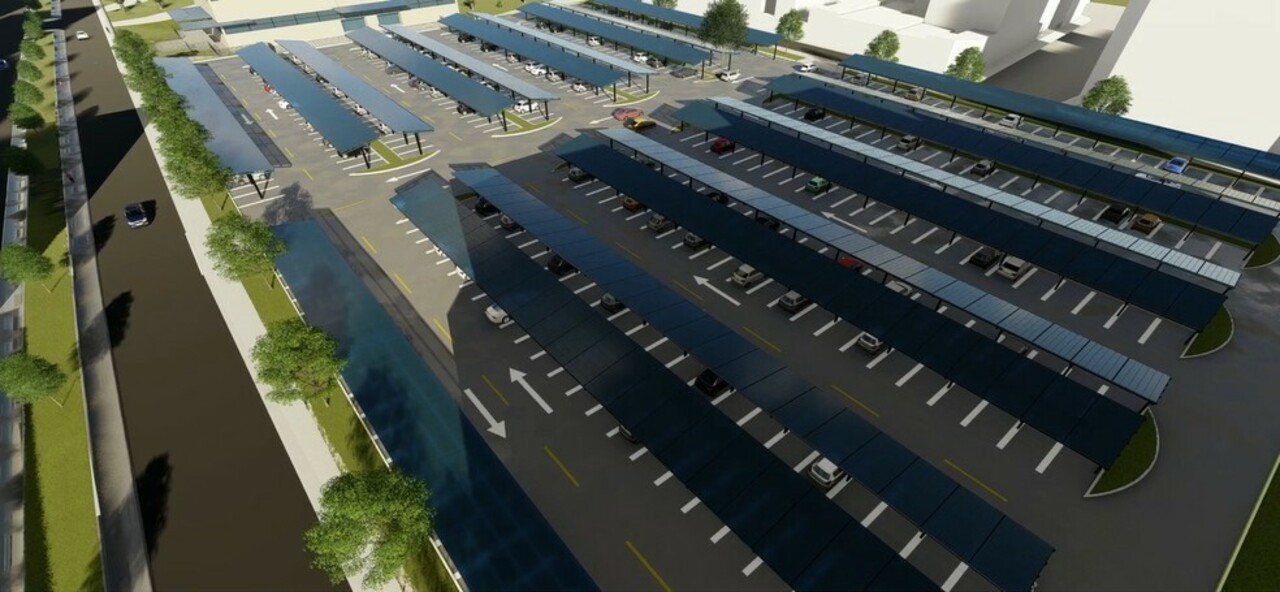

In the Capital of Roraima, Boa Vista, the Seventh Solar Power Plant Has Been Installed, Having the Capacity to Generate Over 7 Million kWh Per Year.
The solar power plant in Roraima is expected to save the public coffers about R$ 5 million a year, and over the next 25 years, about R$ 125 million – the lifespan of the entire system. Overall, more than 14,000 solar panels were installed at KM 516 of BR-174, in the rural area of Boa Vista, Roraima. The Roraima city hall has not yet reported on the investment in purchasing equipment, however, Mayor Teresa Surita states that the investment in the solar power plant should be paid off in five years, based on the savings in electricity for municipal buildings.
Read Also
Brazil has already reached R$ 4.8 billion in investments in distributed solar energy, with solar energy in the distributed generation modality becoming one of the most attractive areas for both domestic and foreign capital in the country.
Roraima City Hall Claims That the City Will Be the Largest Generator of Clean Energy in the Country
The Mayor of Roraima highlights that the new solar power plant completes a generation of 6.7 MW, which is equivalent to the total consumption of 9,000 houses in Boa Vista, thus making the city the largest generator of clean and renewable energy in the country.
-
After a Year of Success in Switzerland, Solar Railway Attracts Italy’s Interest for Clean Energy Transformation

-
Robots Clean Solar Panels in Desert Power Plants Without Water, Preventing Energy Losses
-
Brazil’s Offshore Wind Energy Potential Worth $1 Trillion Stalled by Long-Delayed Agreement

-
World’s Largest Engie Solar Plant in Brazil Highlights Billion-Dollar Energy Waste Issue: Company Considers Batteries and Bitcoin Mining to Avoid Wasting Production



“The savings are immediate, and from the moment of adopting this system, you show that there are other alternatives, there is a sun that generates high-quality energy, which pays off the investment in five years,” said Mayor Teresa.
The production of such energy through the plant, according to the municipality, is also used to serve 455 out of 600 consumer units of the municipal government, these points being buildings and bus stops.