





 Portuguese
  English
  Spanish
  4 min of reading
  0 comments


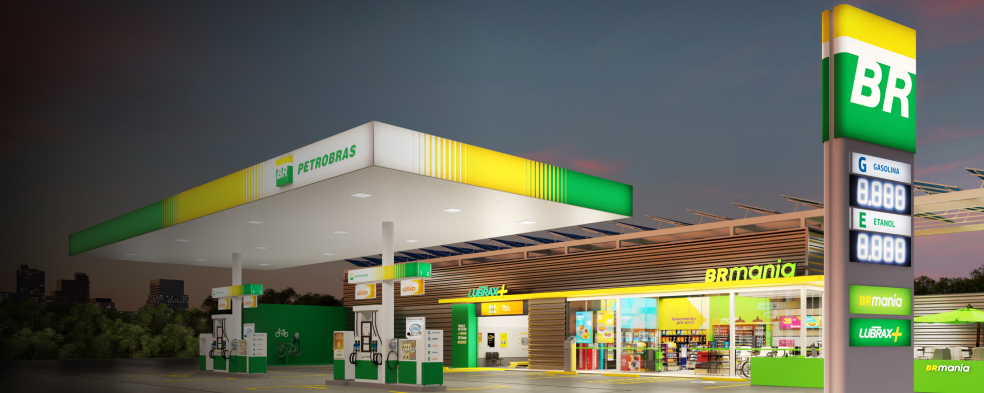
BR Petrobras Leads Fuel Station Market with 30.6%, Followed by Ipiranga (29.5%). Vibra Energia Faces Rebranding Challenge to Win Consumers.
BR Petrobras maintains its leadership position in the fuel station sector in Brazil. With a market share of 30.6%, the company stands out as the most used by consumers. Main competitors, Ipiranga and Shell, also perform strongly, but BR Petrobras continues to lead with a significant margin. Customer preference for BR Petrobras demonstrates the trust and quality of services it offers.
BR Petrobras is adapting to the new demands of the market, not only maintaining its leadership but also innovating in its services. Recently, BR Distribuidora, now known as Vibra Energia, has been facing the challenge of rebranding to attract a new audience. The strategic vision and marketing actions have been crucial for the company to reinvent itself, seeking not only to retain its existing customers but also to acquire new consumers in the competitive market.
Research Reveals Fuel Market Overview in Brazil
CVA Solutions’ research revealed that 80.9% of respondents do not know the Vibra Energia brand. BR Petrobras still has a strong market presence, but its brand strength has diminished. Three brands dominate 82% of the fuel station market. It is noteworthy that Vibra Energia faces the challenge of winning over consumers, as many Brazilians are not familiar with the brand.
-
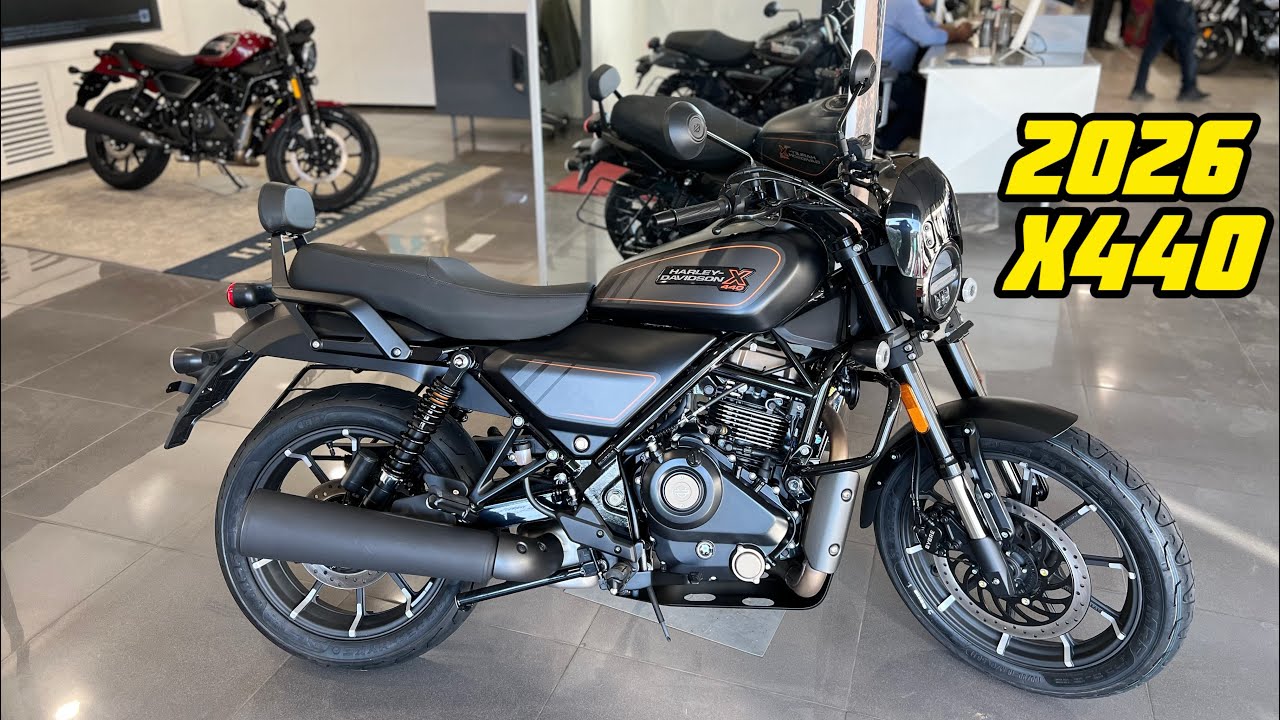
Harley-Davidson created an entry-level motorcycle that seems impossible for those who only know the brand’s big bikes: the X440 uses a 440 cc single-cylinder engine, delivers 27 hp, 38 Nm, a declared fuel consumption of 35 km/l, and showcases a small, rational, and much more accessible Harley in India.

-
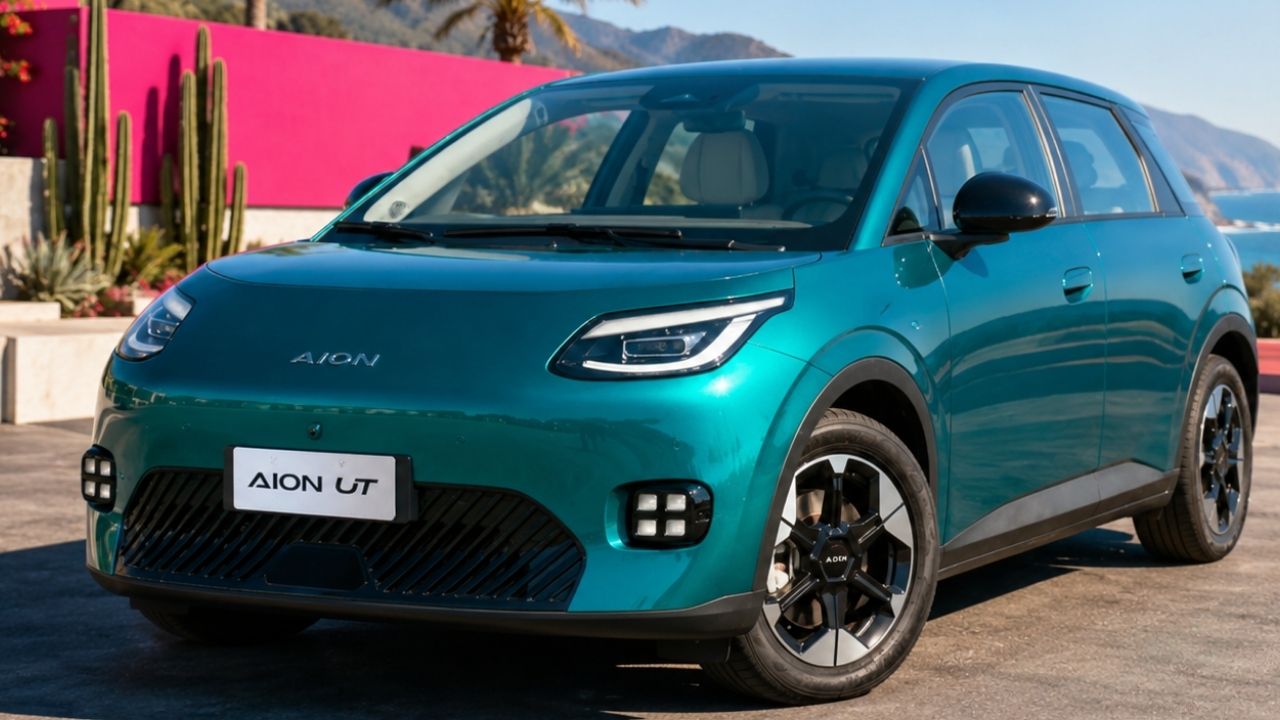
GAC Aion UT lands in Brazil for R$ 135,990 as the most affordable electric car in the country with over 200 hp, surpasses BYD Dolphin in size, features a 360 camera, and offers up to 310 km of range to challenge Chinese rivals.
-
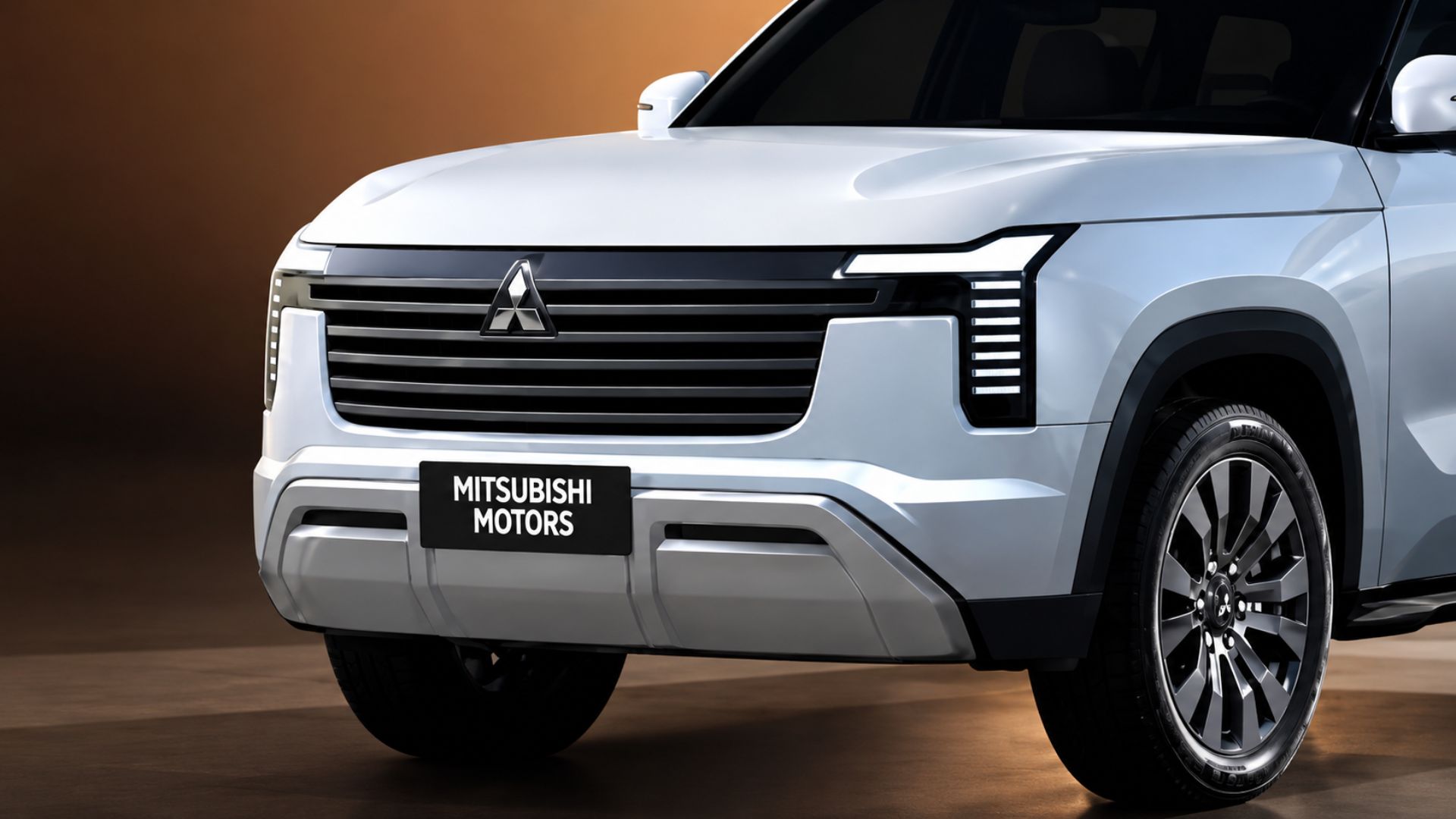
Mitsubishi confirms the triumphant return of a car beloved by Brazilians that was discontinued after almost 40 years, based on the Triton, 4×4, and targets rival Toyota Land Cruiser in a plan of 13 SUVs.

-
With a twin-cylinder engine of 49.6 hp and a range exceeding 400 km, the new Honda NX500 2027 debuts with a 5” TFT panel, Showa suspension, HSTC torque control, dual-channel ABS, and unlimited mileage warranty.

The main fuel station brands are driven by the growth of convenience stores and automotive services, but the price of fuel remains a decisive factor in consumer choice. The study was conducted through a comprehensive online survey, covering 4,266 people from across Brazil and all income and age groups.
The Strength and Regional Preferences of Brands
CVA Solutions, a subsidiary of the American CVM Inc., has been conducting research for 23 years in Brazil and 28 in the USA. The study indicated that BR Petrobras remains the national preference, with 30.6%, but very close to Ipiranga, which holds 29.5%. BR Petrobras is more chosen in the Northeast, North, and Central-West regions, while Ipiranga dominates the South and Southeast. Regarding the fuel station market, three brands – BR Petrobras, Ipiranga, and Shell – account for about 82% of consumers.
Currently, Brazil has over 40,000 fuel stations and about 8,000 convenience stores that sell fuels, lubricants, automotive services, food, beverages, and more. Factors such as location, affordable prices, brand strength, and good facilities are decisive in consumers’ choices.
Perceived Value and NPS in Consumers’ Choices
Leading brands have a greater number of stations, have been in the market longer, and excel in investment in communication, convenience stores, and loyalty programs. The Perceived Value, which measures the cost-benefit perceived by consumers, showed that benefits account for 33% of this perception, highlighting location, reputation, and fuel quality.
On the other hand, costs represent 67% of the perceived value, with emphasis on the price of fuel. Consumers seek to save but trust the quality of fuel and the convenience of service. The NPS metric, which measures brand recommendation, is led by Ipiranga with 64.5%, followed by Shell and BR Petrobras, among others.
The Challenge of Vibra Energia in the Market
BR Distribuidora, composed of more than 8,300 stations, was acquired by Vibra Energia in 2021. In January 2024, Petrobras informed Vibra Energia that it would not renew the brand usage license after the contract expires in June 2029. CVA’s research showed that the Vibra brand is little known, with only 19.1% overall recognition. The BR Petrobras brand has lost its leadership and has a lower recall level compared to Ipiranga and Shell.
This is a decisive moment for Vibra Energia. There is a dilemma regarding investment in the communication of BR Petrobras, as there is a risk of not being able to use the brand in the future. One solution may be rebranding, transitioning BR Petrobras to Vibra Energia over five years.
Convenience Stores and Automotive Services as a Strong Strategy
Convenience stores and automotive services significantly increase the profitability of stations, with 40.8% of fuel station consumers visiting these stores. These stores boost the use of services such as oil changes and car washes. Ipiranga leads in these services, followed by Shell and BR Petrobras.
Lubrax, from BR Petrobras, is the leader in lubricating oil sales, followed by brands such as Mobil, Castrol, and Ipiranga. In loyalty programs, Ipiranga leads, followed by Shell and BR Petrobras. The fuel retail sector is still less digitized, making convenience stores and loyalty programs important strategies to engage consumers.
Source: © paula@difattocom.com.br







Be the first to react!