






 Portuguese
  Spanish



Putin’s Energy Empire Is Crumbling: Gazprom, Once in Control of Europe’s Gas, Is Liquidating Its Assets in the Russian Capital to Prevent an Unprecedented Financial Collapse.
The Gazprom, Russia’s state energy giant and one of the largest natural gas producers in the world, is experiencing one of the critical moments in its recent history. After reporting billion-dollar losses and facing a sharp decline in exports to Europe, the company announced the sale of various properties in Moscow, including commercial buildings, a hotel with a spa on the outskirts of the capital, and even an industrial building.
Deep Crisis Shakes Russia’s Energy “Heart”
According to the Reuters in March 2025, Gazprom reported a net loss of 1.076 trillion rubles (approximately US$ 12.9 billion) in 2024, according to Russian accounting standards. This is the worst result since 1999, driven by factors such as the decline in the market value of Gazprom Neft shares and the drastic drop in exports to the European Union.
In a statement published on the official Gazprom Telegram, the company lists the assets for sale and invites interested parties to contact directly by phone. The move is seen by analysts as an emergency liquidation of assets to contain financial damage.
-
Why Gasoline Prices Remain Stable: How Petrobras’ Subsidies and Pricing Policies Control Fuel Costs in Brazil

-
SpaceX Plans 13 km Pipeline to Reduce Truck Reliance and Speed Up Starship Rocket Launches in the U.S.
-
Petrobras Begins Drilling Controversial Oil Well in Brazil’s Equatorial Margin Near the Amazon River Mouth
-
Petrobras Sets Record with 2.66 Million Barrels Per Day in Brazil’s Pre-Salt Oil Production



Gas Exports Plummet with Sanctions and European Route Change
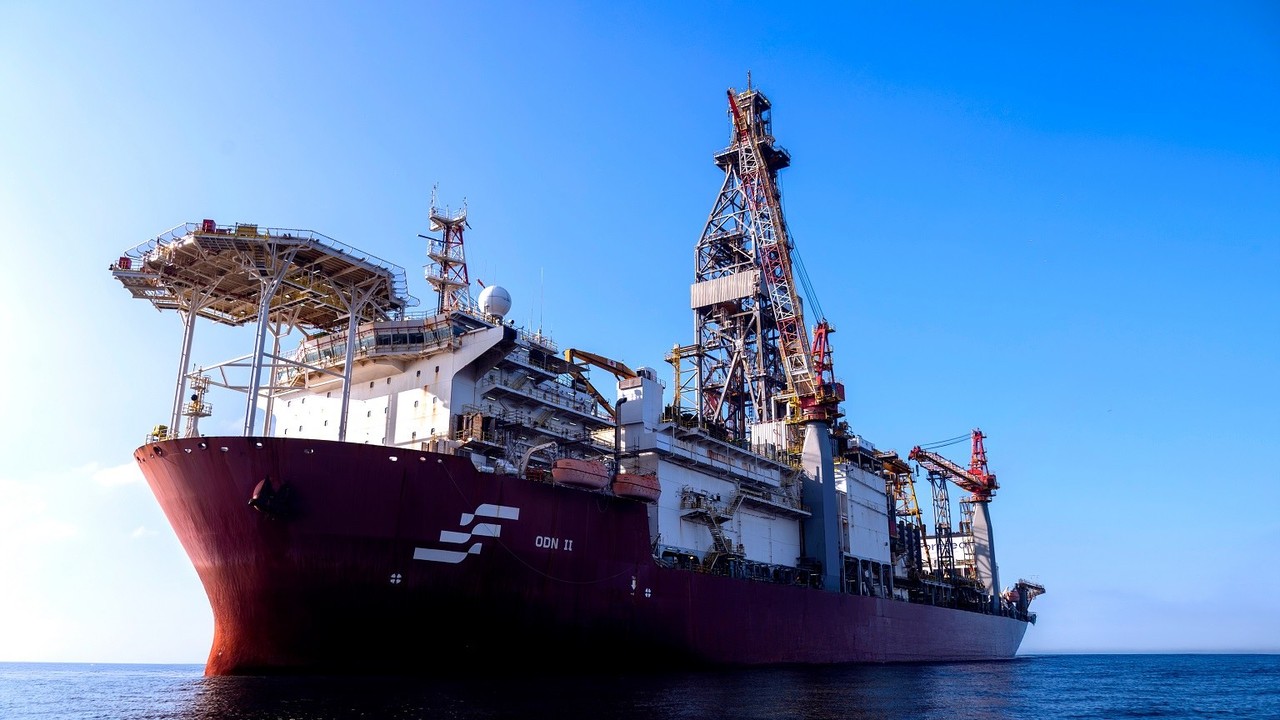
In 2023, Gazprom’s exports to Europe fell by 56%, totaling only 28.3 billion cubic meters — the lowest level since the Soviet era. In 2024, the decline continued: according to data from energy consultancy Anas Alhajji, exports to Europe were reduced by another 13%, reaching 31 billion cubic meters.
This is mainly due to the sanctions imposed on Russia due to the war in Ukraine and the Ukrainian government’s decision to not renew the gas transit contract, which expired on December 31, 2024. At the same time, European countries have accelerated investments in alternative sources and renewable energy to reduce dependence on Russian gas.
Putin Underestimated the Impact of Retaliation
According to geopolitical analyst Tom O’Donnell, interviewed by Newsweek, Vladimir Putin’s strategy to cut supplies from the Nord Stream pipeline was a significant miscalculation. The intention was to force an energy crisis in Europe and pressure countries to abandon support for Ukraine, but it backfired. “Current Gazprom production is at the same level as in 1970,” O’Donnell states.
Restructuring and Mass Layoffs
In light of the collapse in profits, the company has initiated a comprehensive restructuring plan. According to the newspaper El País, Gazprom plans to lay off up to 40% of its executives, reducing from 4,100 to about 2,500 leadership positions. The measure aims to cut fixed costs and adapt the company’s structure to a new market reality.
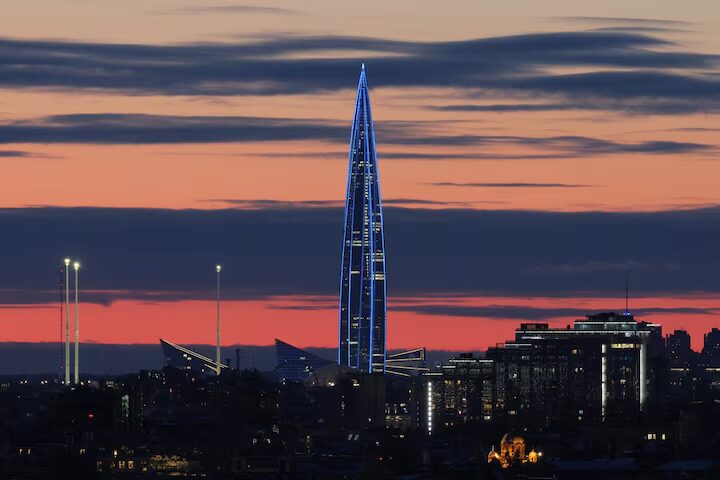
Additionally, the company’s headquarters have been moved to a modern skyscraper in Saint Petersburg, with the goal of reducing operational costs and concentrating strategic activities away from the capital.
Eastern Alternatives Are Not Yet Sufficient
Gazprom has been trying to redirect part of its production to Asia, especially to China. However, projects like Power of Siberia 2 have not yet been formally approved and face diplomatic and technical challenges. According to ChemAnalyst, agreements with Beijing are progressing slowly, and the contracted volumes are far from compensating for the loss of the European market.
Uncertain Future and Dependence on State Subsidies
With revenues declining and investments down, Gazprom is increasingly reliant on subsidies from the Russian government. Nonetheless, experts say the company is unlikely to maintain its former geopolitical influence. The European Union has already outlined a plan to completely eliminate the use of Russian gas by 2027, with a ban on new contracts starting in 2025 (Reuters).

An Empire in Decline
What we are witnessing is the gradual decline of an energy empire that, for decades, was used as an instrument of geopolitical influence by the Kremlin. Gazprom now needs to reinvent its business model in a landscape of sanctions, increasing competition, and an accelerating global energy transition.




Very well presented. Every quote was awesome and thanks for sharing the content. Keep sharing and keep motivating others.