Portuguese
  Spanish


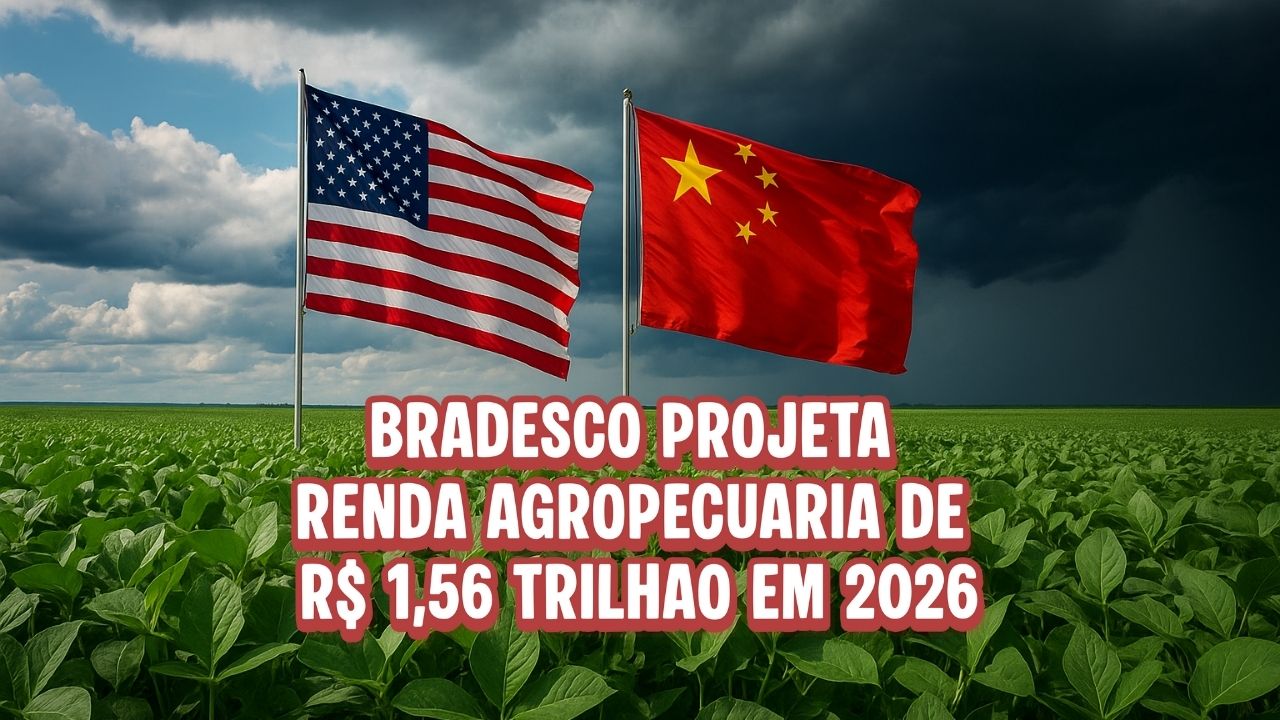

Bradesco Projects Agricultural Income of R$ 1.56 Trillion in 2026, but Risks Like Agreement Between the U.S. and China and La Niña May Impact the Sector.
Agricultural Growth Will Be More Moderate in 2026
The Brazilian agribusiness is expected to record more modest expansion in 2026. According to projections from Bradesco, the sector’s income is expected to reach R$ 1.56 trillion, which represents a growth of 3.5% compared to 2025.
Despite the progress, the pace will be lower than this year, when the estimate is a rise of 5.2%, totaling R$ 1.50 trillion.
The slowdown is linked to external and internal factors. Among them are the possible effects of a trade agreement between the United States and China, as well as the influence of the climatic phenomenon La Niña on Brazilian agricultural production.
-
Producer receives news and had to cull almost the entire herd, bounced back with the help of compensation, and is now producing 450 liters of milk per day in SC.

-
Quail Eggs Reveal a “Secret Code” on Their Shells Explaining Unique Patterns and Colors

-
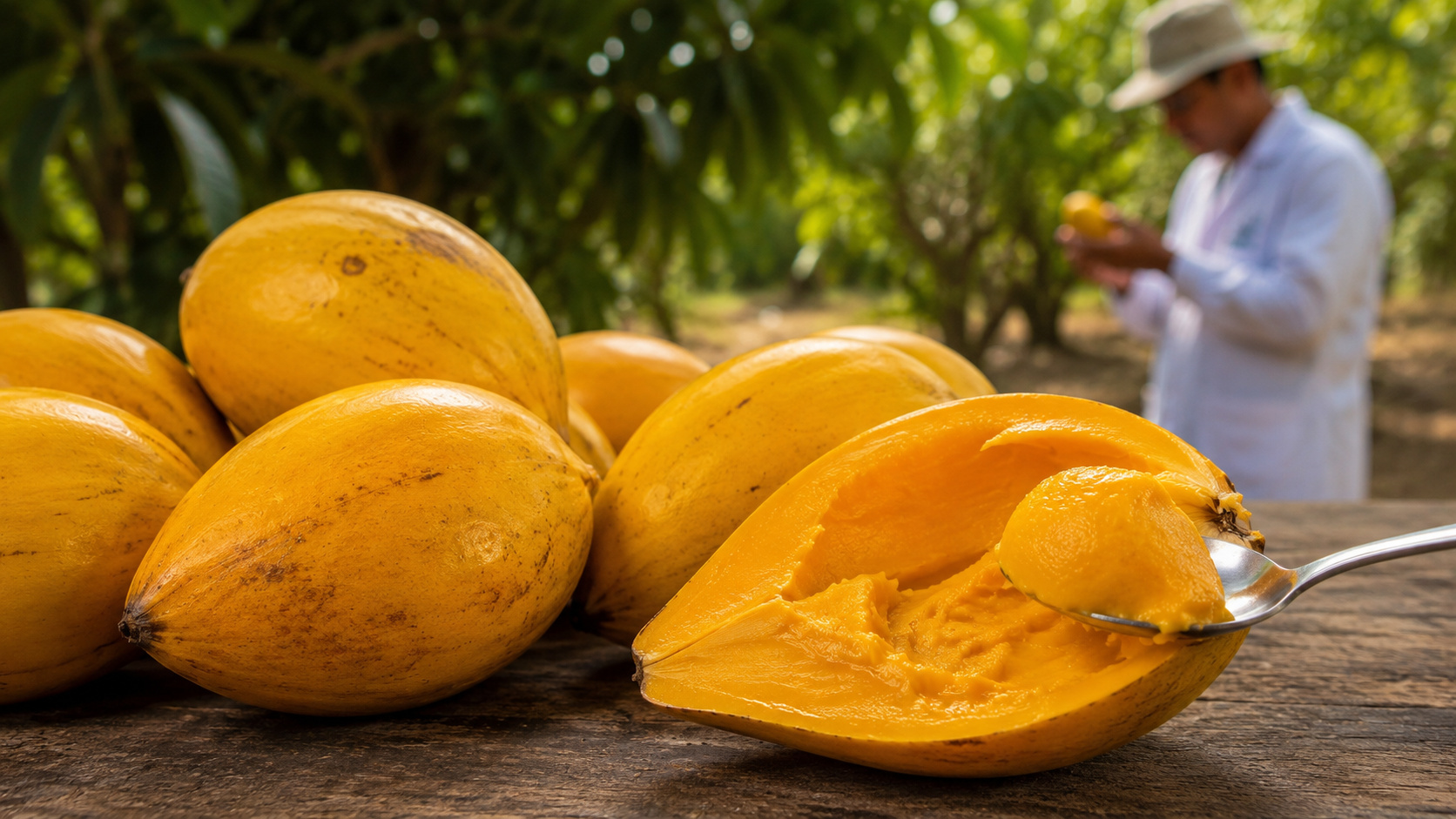
Rare Tropical Fruit Canistel, with Egg Yolk Color and Caramel Flavor, Gains Interest from Researchers and Small Producers in Brazil
-
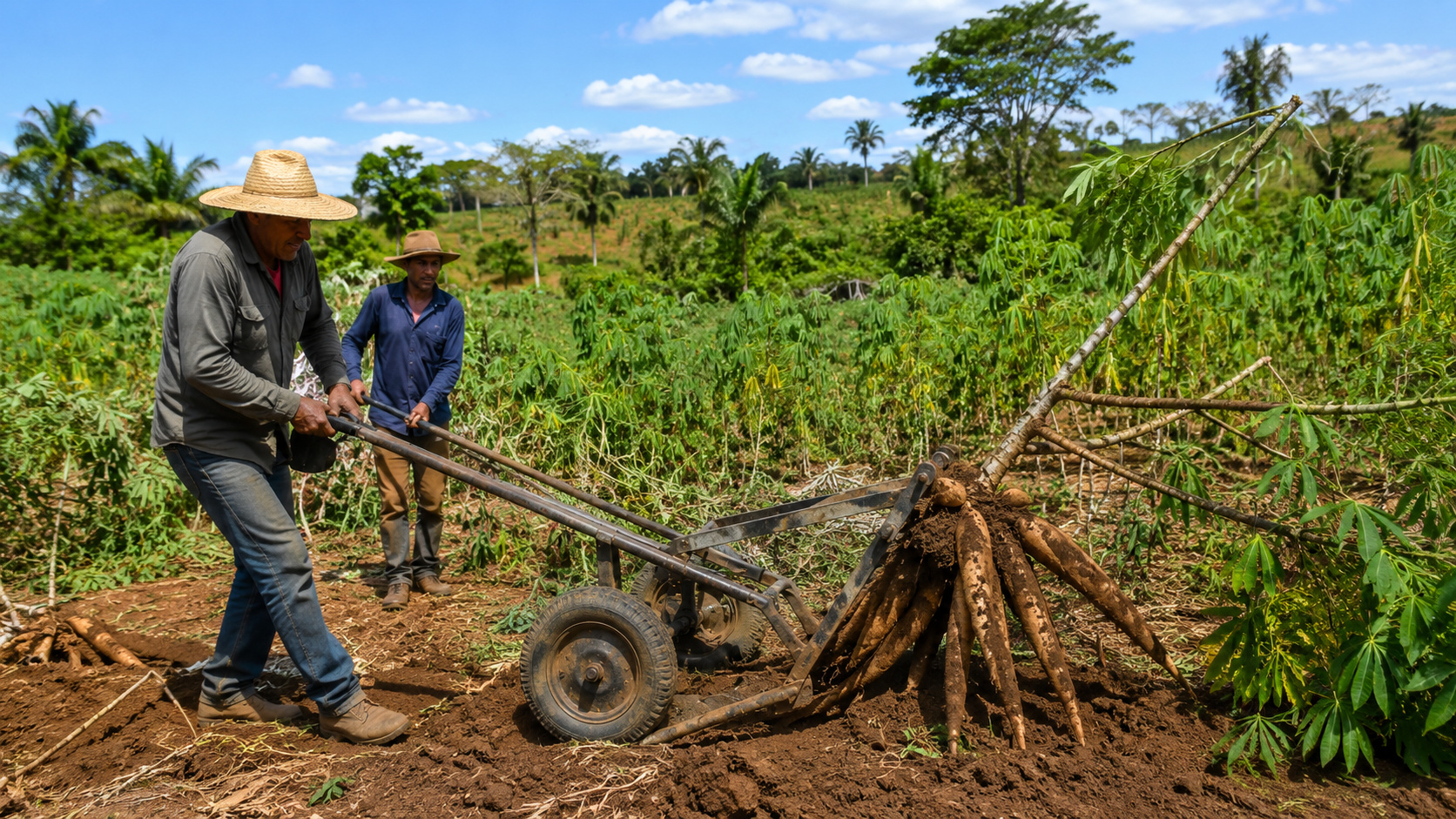
Brazilian Farmers Develop Wheeled Metal Lever to Ease Cassava Harvesting Without Heavy Machinery


U.S., China, and the Risk for Brazilian Exports
Bradesco’s chief economist, Fernando Honorato, highlighted during the 25th Business Strategic Planning Seminar of Abimaq, that the biggest threat to the agro sector in 2026 would be a shift in China’s purchasing route.
“The biggest risk for this performance is if China strikes a trade agreement with the United States to purchase soy and oil and stops buying from Brazil. But my perception is that China does not want to become dependent on the U.S. again,” said Honorato.
According to the economist, although the risk exists, the U.S. faces land limitations for expanding soybean planting, which may reduce the chance of a deeper impact on Brazil.
Still, any change in trade flow between the global giants could directly affect the balance of Brazilian agribusiness.
La Niña: A Climatic Threat on the Horizon
Another point of concern is La Niña, a phenomenon that causes climate changes capable of impacting harvests.
Honorato emphasized that if the intensity is greater than expected, the Brazilian harvest could be harmed, bringing effects on agricultural income.
Although considered a lesser risk compared to international geopolitics, La Niña has the potential to reduce productivity in some regions, increasing the sector’s challenges in 2026.
Global Economic Scenario and Its Reflections on Agribusiness
Honorato drew attention to the global instability, marked by U.S. trade policy and the slowdown of the Chinese economy.
“Internally, China’s demand is cooling off, and the country will need to adopt consumption stimulus policies, which could benefit Brazilian agribusiness,” he assessed.
However, he reinforced that the trend of trade protectionism may create additional pressures on exporting countries, including Brazil.
If China does not advance in agreements with the U.S., it is possible that the volume of products destined for other markets will increase, intensifying competition.
Impacts of American Tariffs
Bradesco’s economist also noted that the effect of the so-called American tariff hike on Brazil tends to be more sectoral than macroeconomic.
“Of the total exported by Brazil, 11% goes to the U.S. This equals 2% of GDP. With the list of product exceptions that were removed from the tariff hike, the impact on the Brazilian economy will be between 0.1% and 0.2% of GDP,” he explained.
Even with seemingly controlled numbers, the sectors directly affected may feel the effects of trade barriers more strongly.
Brazilian Economy in 2026: Resilience and Challenges
In the domestic scenario, Honorato assessed that the Brazilian economy maintains resilience, with growing sectors and the job market at the lowest unemployment rate in history.
Available income for consumption is expected to grow by 4.3% in 2025 and 3.5% in 2026, supporting part of the agribusiness dynamism.
However, the still high Selic rate limits the economy’s breathing space. The economist noted that the reduction in interest rates should occur gradually, allowing for a greater recovery only in the second half of next year.
Bradesco’s Projections for 202
Among the main projections from the bank are:
- Brazilian GDP: growth of 1.4% (compared to 2.1% in 2025).
- Inflation: 3.8% in 2026 (compared to 4.7% this year).
- Selic Rate: expected to end 2026 at 11.75%, below 15% in 2025.
- Dollar: average between R$ 5.15 and R$ 5.25.
- Gross Debt: estimated at 85.3% of GDP, above 80.2% this year.
According to Honorato, it will be essential for the next government to advance in fiscal adjustment measures.
“Leaving the control of inflation on the shoulders of the Central Bank will only cost Brazil a lot,” warned the economist.
Final Perspectives for Agribusiness in 2026
With optimistic projections but surrounded by risks, Brazilian agribusiness will have to deal with climatic and commercial uncertainties.
The role of China in agricultural purchases and the behavior of La Niña will be decisive in determining the sector’s performance.
For Bradesco, despite the slowdown, agribusiness remains one of the pillars of the national economy, sustaining income, jobs, and exports amid global turmoil.