Portuguese
  Spanish


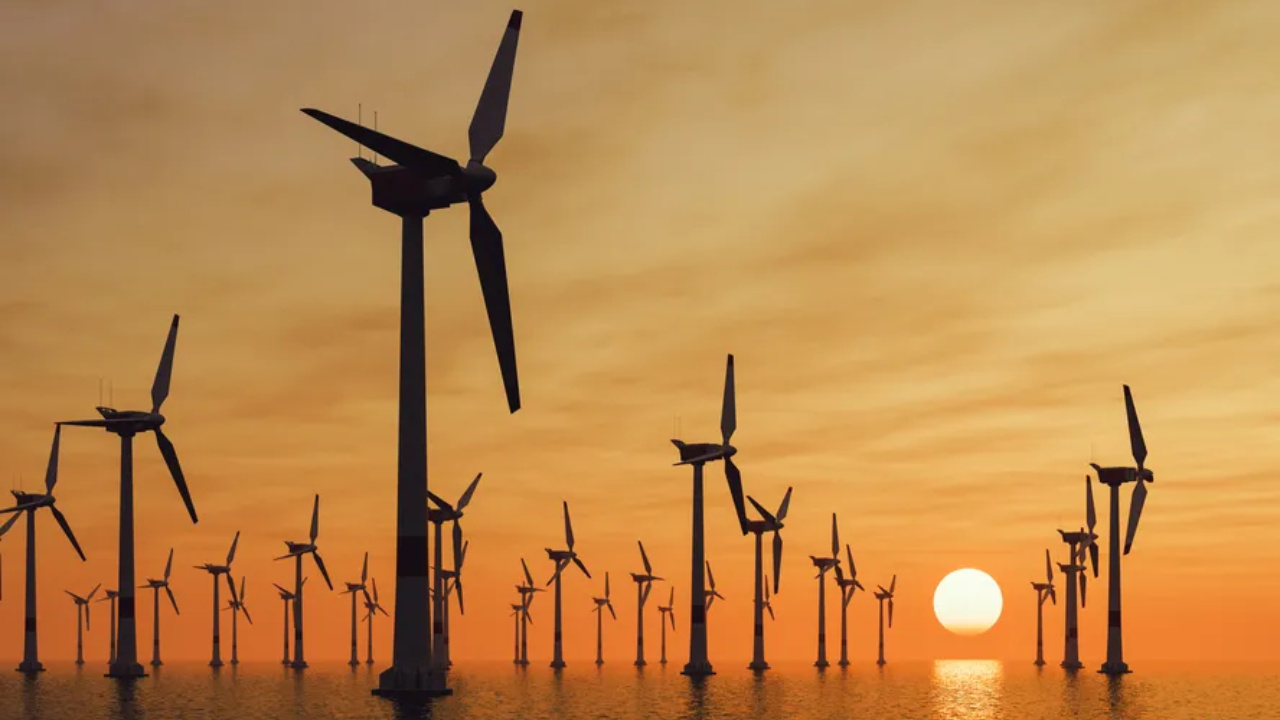


The Formation of the Working Group, Led by the Ministry of Mines and Energy, Marks an Essential Step to Structure Offshore Wind Energy and Transform Brazil’s Immense Potential into Reality
The offshore wind energy has just entered a new chapter in Brazil with the creation of a Working Group dedicated to structuring clear rules for the sector, according to a report published.
The decision was made by the National Energy Policy Council (CNPE) on the last 1st of October and involves the direct coordination of the Ministry of Mines and Energy (MME).
This move is seen as essential to turn the country’s gigantic potential in this renewable energy source into reality.
-
France Revamps 530 Social Housing Units with Large Balconies and Glass Facades Without Demolishing Existing Buildings

-
10-Year-Old Max Makes History with Paris Fashion Show, Launches Own Brand, Hires Staff, and Sets World Record as Youngest Runway Designer

-
Bolivian Female Construction Workers Form Association to Combat Discrimination and 38% Pay Gap in the Industry
-
Near Amsterdam, residents buy land and discover they must also build streets, manage drainage, handle waste, and grow food on half their plot.




Brazil has an estimated capacity of over 1,200 gigawatts of generation in maritime areas, distributed mainly across the Northeast, Southeast, and South regions.
For those unfamiliar with the numbers, this represents a volume that could place the country among the world leaders in clean energy.
How the Working Group Will Act
The new collegiate, called GT-EO, includes the participation of 23 public institutions and may invite representatives from civil society and industry.
Among its functions is the responsibility to create the set of infra-legal norms that will guide everything from the selection of available areas to the technical and economic requirements for the projects.
Points within the group’s scope include the Preliminary Interference Declaration (DIP), penalties in case of non-compliance with rules, and even studies to ensure cohabitation between offshore wind energy, fishing, and navigation.
The creation of a Single Portal for Offshore Area Management is also planned, which should simplify processes and provide more transparency to the projects.
Generation Potential and Economic Opportunities
Studies indicate that, only in areas of the Brazilian coast with up to 50 meters of depth and winds at 100 meters height, it would be possible to harness 697 gigawatts.
Today, Ibama is already analyzing 104 environmental licensing requests for offshore wind energy projects, totaling 247 megawatts in the initial evaluation phase.
The figures reveal not only the strength of this emerging sector but also the size of the regulatory challenge.
According to estimates from MME itself, the expansion could create up to 516,000 full-time jobs by 2050 and contribute around R$ 902 billion to the Gross Domestic Product (GDP) in the same period.
Competitive Costs and New Investments
Another factor that reinforces the industry’s interest is the projected cost of operating offshore wind power plants.
The estimated value ranges from 52 to 64 dollars per megawatt-hour, making the source competitive against other forms of renewable energy.
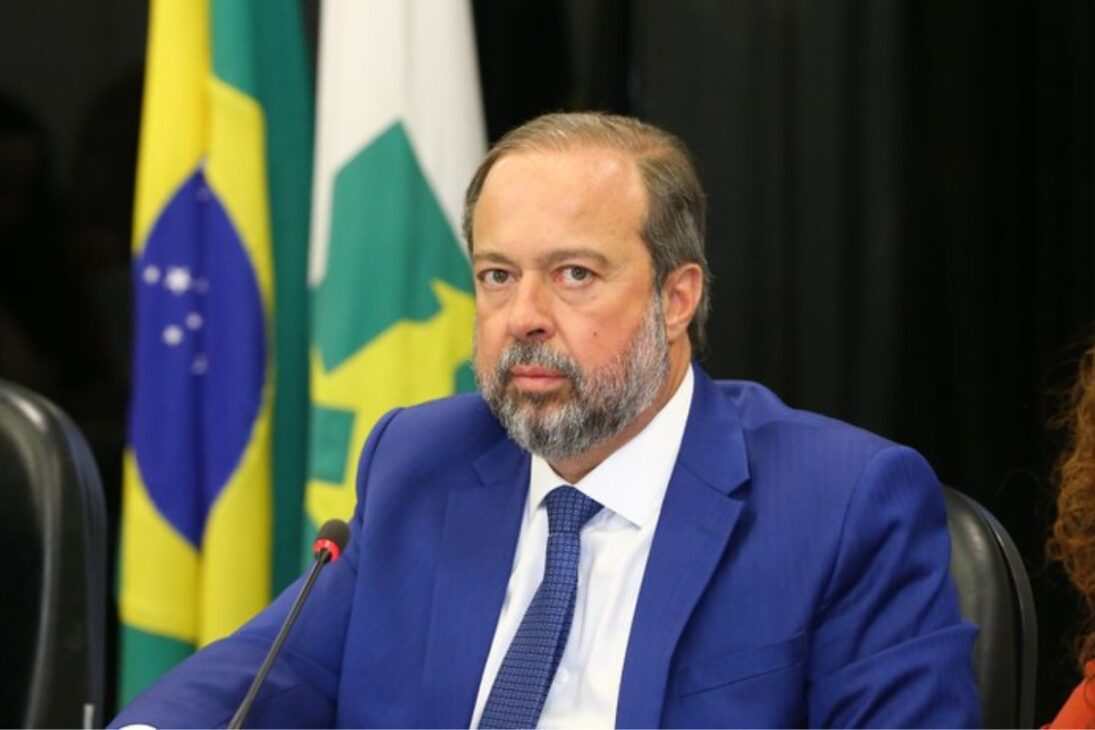
For Minister of Mines and Energy, Alexandre Silveira, the measure reaffirms the country’s commitment to the energy transition, as well as representing an opportunity to attract investments and stimulate the naval and port industry.
With the regulation underway, the space opens up for Brazil to take the first practical steps towards a market that can change the energy matrix and bring positive impacts to various productive chains.