Portuguese
  Spanish




Decadal Energy Plan 2034 Foresees Scenarios With Viable, Lower-Cost Solutions to Reduce Emissions in Transportation
Brazil has outlined a bold and pragmatic strategy to cut emissions in the transport sector. According to the new Decadal Energy Expansion Plan (PDE 2034), the focus is on flexible-fuel vehicles and the use of advanced biofuels as an immediate and feasible solution, while hydrogen is entering the radar as a promising technology for future applications, starting in 2040.
Flexible-Fuel Vehicles and Biofuels Gain Priority
Instead of exclusively following international trends centered on full electrification, Brazil opts for a path more aligned with its current capabilities. As reported by the Eixos Energia portal, the PDE 2034 highlights flexible-fuel vehicles, already widely used in the country, as pillars for the short and medium term of the energy transition.
The plan reinforces the role of second-generation biofuels, such as agricultural waste ethanol and advanced biodiesel, leveraging the existing infrastructure and the Brazilian expertise accumulated over the past decades. The proposal is to promote a real reduction in emissions without relying exclusively on high-cost technologies that are still maturing.
-
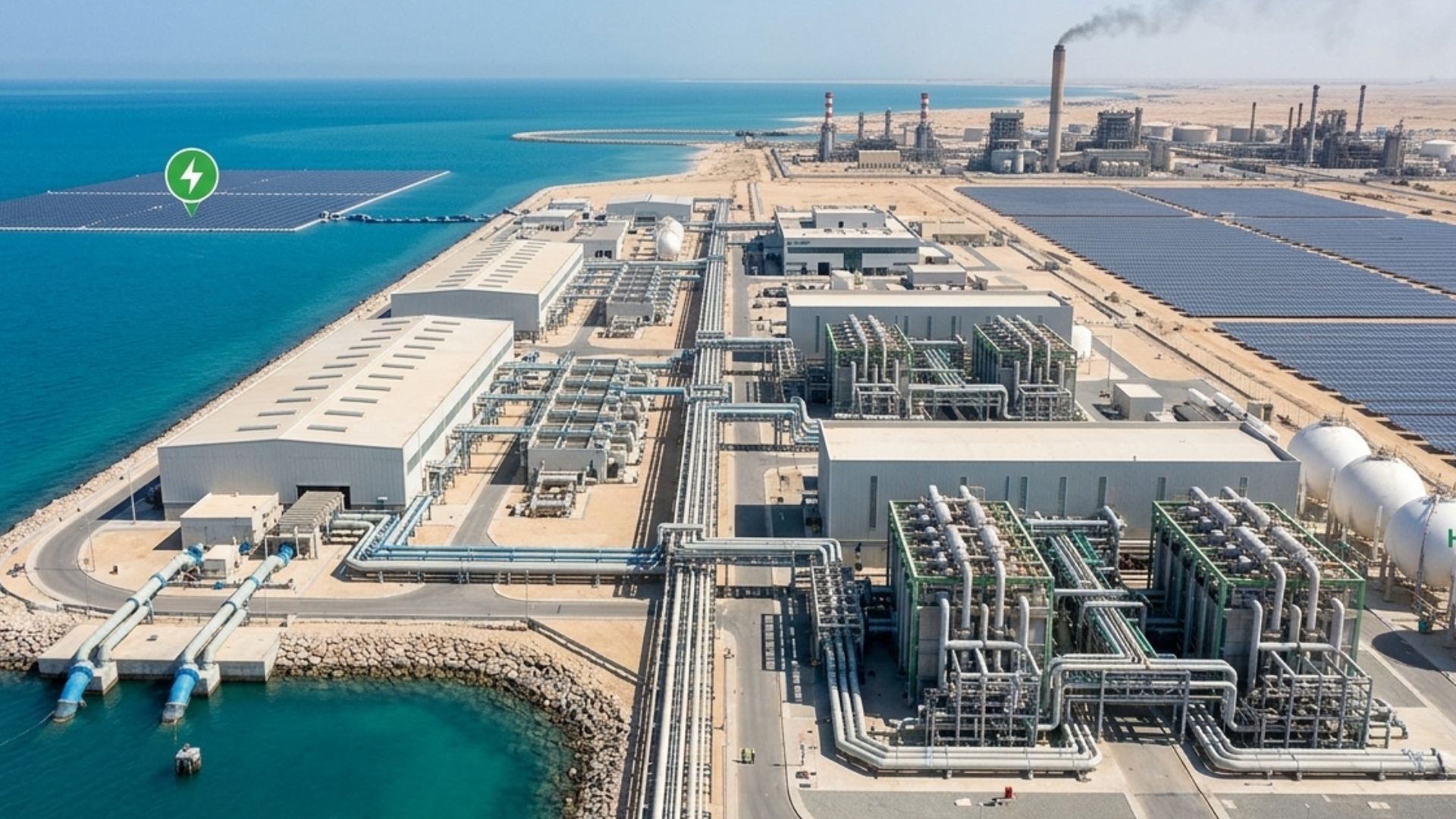
Brazilian scientists are simultaneously advancing two research projects on clean hydrogen and driving solutions that could transform the energy matrix, enhance industrial competitiveness, and accelerate large-scale emission reduction targets.

-
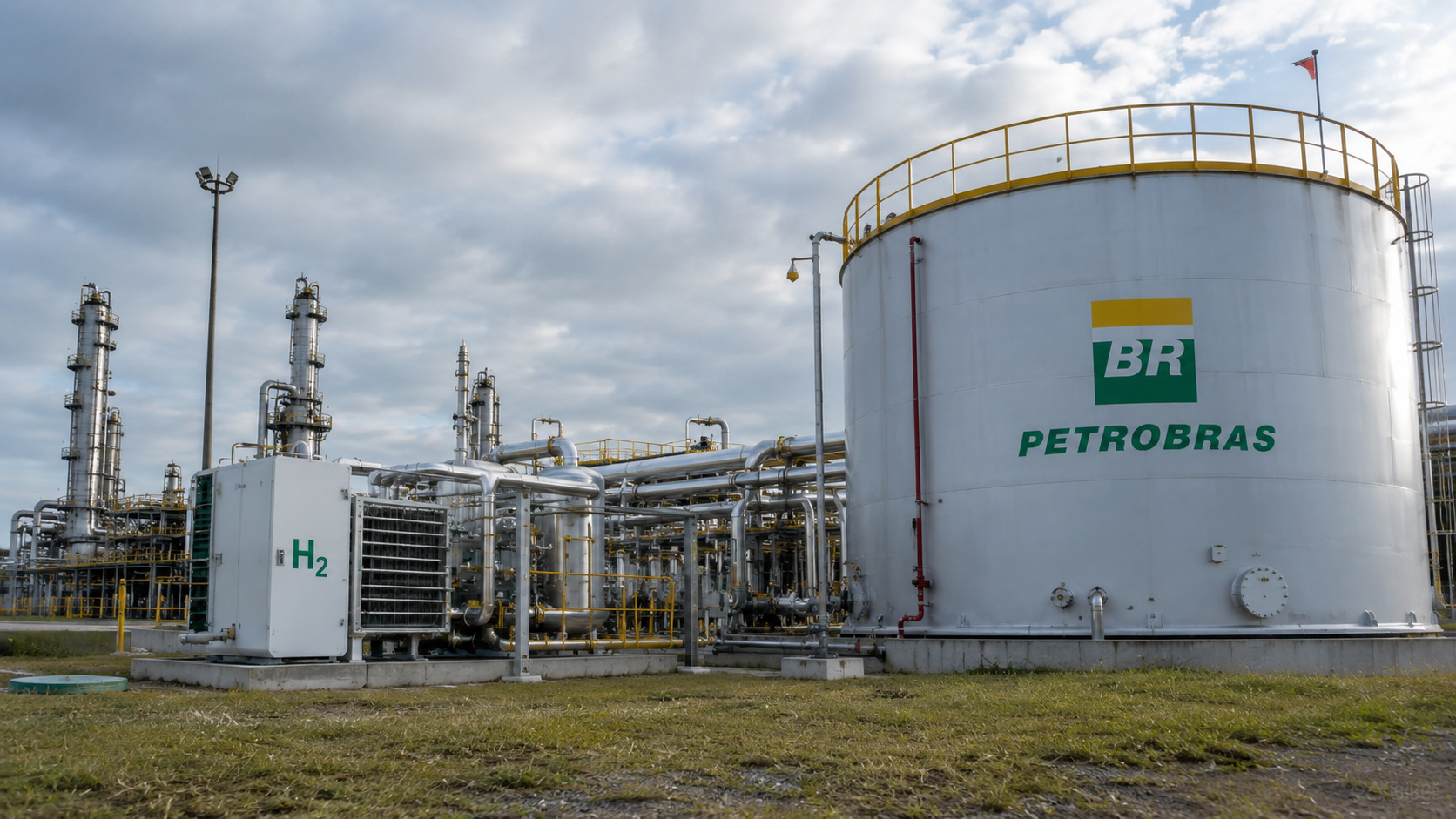
Advancement in renewable energy: A R$ 150 million project launched by Petrobras and Finep aims to create state-of-the-art electrolyzers for green hydrogen, strengthening national research and preparing Brazil to compete in a billion-dollar energy market.
-
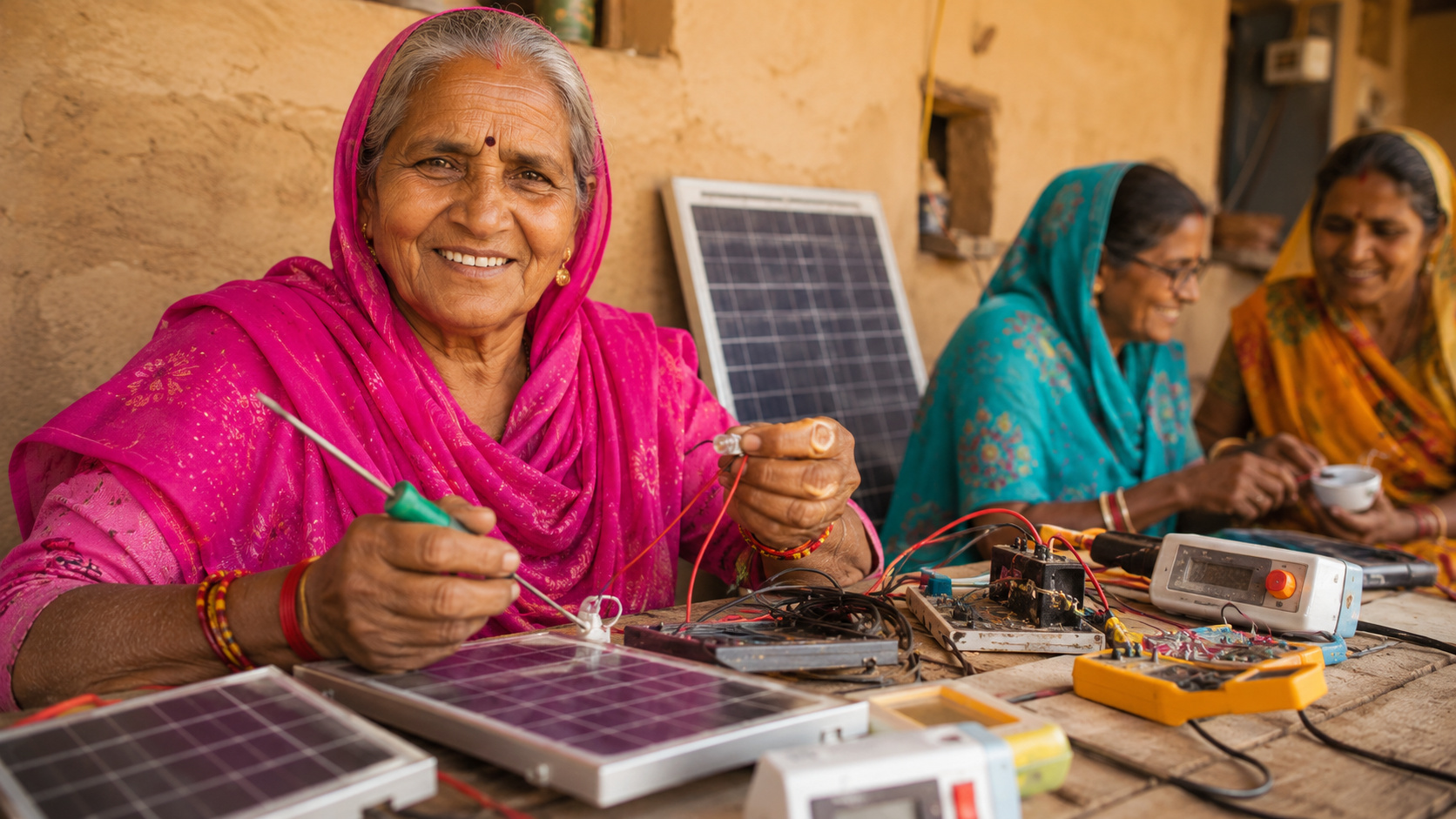
Illiterate or semi-literate grandmothers were trained to repair solar systems, open rural workshops, and light up homes that still depended on kerosene.
-
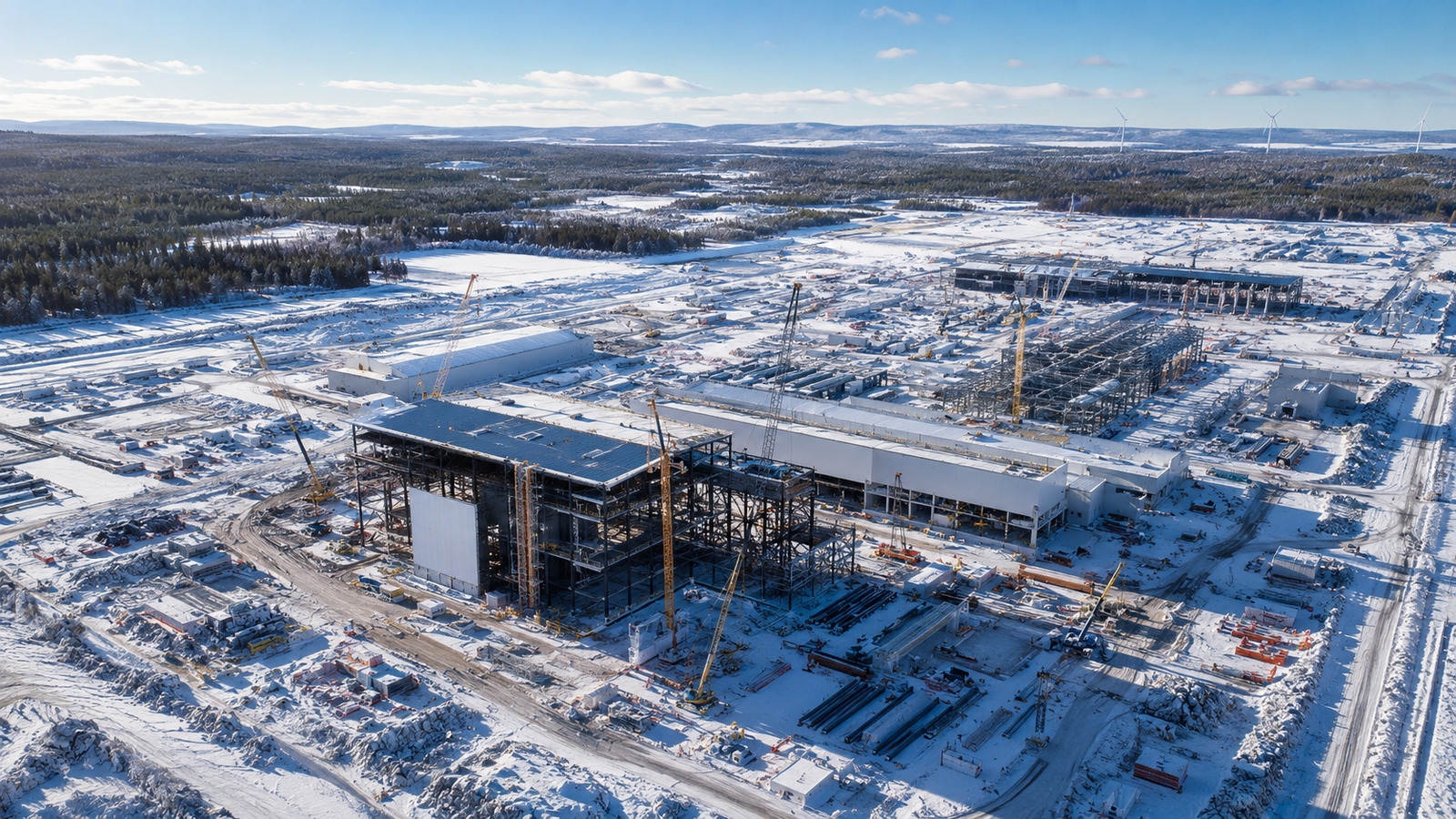
US$ 7 billion, green hydrogen, and steel with up to 95% less CO₂: the first green steel plant on the planet emerges in Sweden and targets Brazil as the next chapter


Hydrogen Enters the Plan With a Long-Term Focus
Although hydrogen is not the main star at the moment, it strongly appears in the transition scenarios for the future. The PDE 2034 recognizes the potential of this energy vector, especially in indirect applications such as ethanol-fueled fuel cells — a solution that can combine innovation and sustainability with Brazil’s agricultural reality.
However, the plan clearly states that the use of hydrogen at a significant scale should only occur after 2040. This timeline takes into account technological challenges, high production costs, and the lack of adequate infrastructure. Still, Brazil intends to position itself strategically so as not to be left out of this promising market when it reaches global maturity.
Distinct Scenarios to Achieve Decarbonization
The study by the Energy Research Company (EPE) presented three possible pathways to achieve decarbonization in the transport sector by 2050. All scenarios are based on the premise that no single technology will solve the problem. Therefore, Brazil bets on a diversified matrix, leveraging what it already has best: an adaptable fleet, a solid base of biofuels, and, in the future, the introduction of hydrogen as an important piece of this energy puzzle.
This more flexible approach allows the country to advance without solely relying on billion-dollar investments in electric infrastructure, which provides a competitive advantage, especially in regions where electrification is still unfeasible. The complete document is available for public consultation and marks a decisive step in the national energy planning.